

Which Shed Material is Truly Weather-Resistant?
TL;DR: Not all sheds handle cold weather the same way, and the material you choose really matters. Wood sheds offer natural charm but need more upkeep and can be vulnerable to moisture. Metal sheds are strong and low maintenance, but they can struggle with rust and temperature changes. Vinyl sheds are a decent middle option with simple upkeep, though they may not be the most durable in harsh conditions. Resin sheds tend to stand out for winter use because they’re weather-resistant, low maintenance and hold up well against moisture, pests and snow.
When the weather starts to turn, your shed ends up doing a lot more than just holding extra stuff. Between freezing temps, heavy snow, rain and those cold, windy days, it really becomes the first line of defense for everything in your outdoor storage.
That’s why choosing the right weather-resistant shed matters a lot more than most people think. Not all sheds handle cold weather the same way, and the material you choose can make a big difference in how well your belongings hold up through the winter months.
No matter if you’re storing garden tools, patio furniture or just trying to free up some space indoors, having a reliable all-weather storage shed makes things a whole lot easier. In this guide, we’ll walk through the most common shed materials, wood, metal, vinyl and resin, and take a closer look at how each one performs when temperatures drop.
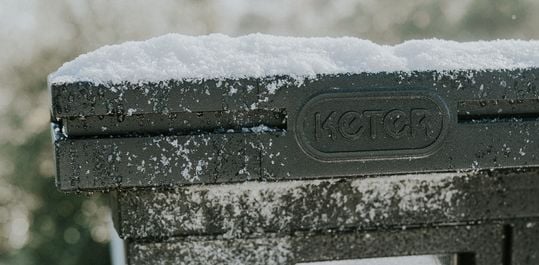

Understanding the Key Factors for Cold Weather and Winter Sheds
Cold weather can be surprisingly tough on a shed. Before getting into how different materials hold up, it helps to understand what your shed is actually up against during the winter months.
One of the biggest challenges is the constant shift between freezing and thawing. As temperatures go up and down, materials expand and contract, which can lead to cracks, warping or general wear over time. On top of that, moisture from snow, rain and ice can creep in and cause issues like rot or rust, depending on the material.
There are a few things that make a really big difference in how well a shed handles these conditions. Insulation is a big one. It helps regulate the temperature inside and protects whatever you’re storing from extreme swings. Most sheds benefit from added insulation, and there are plenty of options depending on how you plan to use the space.
You’ll also want to think about things like anchoring and overall construction. A well-secured shed is much more likely to handle strong winds or heavy snow without shifting or taking damage. And of course, the strength of the material itself matters. Some hold up better under weight and pressure, especially in areas that get a lot of snow.
At the end of the day, a weather-resistant shed should be able to handle moisture, temperature changes and winter storms without breaking down. Knowing what to look for upfront makes it a lot easier to choose something that will actually last.
How Different Shed Types Fare in Colder Weather
| Shed Type | Pros | Cons |
|---|---|---|
| Wood | Natural insulation that helps buffer temperature changes. Helps protect stored items from extreme cold. | Vulnerable to moisture, which can lead to mold or rot. Requires ongoing maintenance and upkeep. |
| Metal | Very durable and strong. Low maintenance overall and resistant to pests. | Poor insulation. Can get very cold inside and is prone to rust or corrosion in harsh winter conditions. |
| Resin | Good insulation performance. Resistant to mold, rot, rust, and pests. Low maintenance and holds up well in winter weather. | Can be more vulnerable to shifting in high winds if not properly anchored. |


Shed Type #1: Wood Sheds: The Classic Option
Wood sheds are a very popular shed material option. They do have a classic look to them that a lot of people love. However, there are some things to consider when it comes to the pros and cons of wooden sheds.
Pros of a Wood Shed
In colder climates, wood sheds have a few advantages. Their natural insulation properties are a standout feature, providing a level of thermal protection that keeps stored items shielded from harsh temperatures. This natural insulation can keep your belongings safe from frosty weather. In addition, wood sheds contribute to the overall aesthetics of your outdoor space, enhancing the visual appeal of your property. However, the look won’t impact how weather-resistant it is.
Cons of a Wood Shed
Wood sheds in colder climates do come with their fair share of challenges. Their vulnerability to moisture and pests is a notable disadvantage. The very moisture that often accompanies cold weather can infiltrate wood sheds, potentially causing rot or mold, and attracting wood-destroying pests like termites. Furthermore, wood sheds require diligent maintenance. Over time, they can be very susceptible to rot, rust and peeling, which necessitates regular upkeep to ensure their longevity and structural integrity. In regions with severe winters, this can be a demanding task, making wood sheds a choice that calls for a lot of commitment and dedication to their care.
Shed Type #2: Metal Sheds: The Durable, Yet Chilly Option
Metal sheds have a more modern, no-frills look compared to traditional wood options. They’re usually made from steel or aluminum, which gives them that sturdy, industrial feel. A lot of people like them because they’re tough, long-lasting and built to handle rough weather without a ton of upkeep.
Pros of a Metal Shed
In colder climates, metal sheds have their share of advantages. The foremost of these is their exceptional durability and resistance to pests. Metal sheds are not a problem when it comes to wood-destroying insects and rodents. So, they provide a more secure place for your stored items than a wooden shed that can rot or be penetrated by pests.
Cons of a Metal Shed
Metal sheds have some drawbacks when it comes to being weather-resistant in the cold. One of the most significant issues is their poor insulation and temperature control. Metal is an excellent conductor of heat, meaning that in cold weather, the interior of a metal shed can become very frigid. Without additional insulation measures, your stored items may be subjected to swinging temperatures. These sheds are also susceptible to rust and corrosion, especially in regions with high humidity or heavy snowfall. Without proper protection and maintenance, the metal's integrity may deteriorate over time.
Shed Type #3: Vinyl Sheds
Vinyl sheds are often seen as a practical, easy-care option for outdoor storage. They are designed to hold up well without requiring a lot of upkeep. For homeowners who want something simple that still performs reasonably well in colder weather, vinyl can be a solid middle-ground choice.
Pros of a Vinyl Shed
In colder climates, vinyl sheds offer a few helpful benefits. One of the biggest advantages is their resistance to moisture. Unlike wood, vinyl won’t rot, warp, or absorb water, which makes it a reliable option in snowy or wet winter conditions.
They’re also very low maintenance. There’s no need for painting, staining, or sealing, which can be especially appealing when the weather turns and outdoor upkeep becomes more difficult. Vinyl sheds also hold their color well over time, so they tend to keep a neat, consistent appearance year after year.
Cons of a Vinyl Shed
Vinyl sheds do have some limitations in colder climates. While they handle moisture well, they are not as strong or impact-resistant as metal or resin options. In areas with heavy snow loads or strong winds, they may require extra reinforcement or careful placement.
They also don’t offer much natural insulation. Like metal sheds, vinyl can still get quite cold inside during winter, which may affect temperature-sensitive storage. Over time, extreme cold can also make vinyl more brittle compared to other materials.
Shed Type #4: Resin Sheds: The Best Material For Outdoor Sheds in the Winter
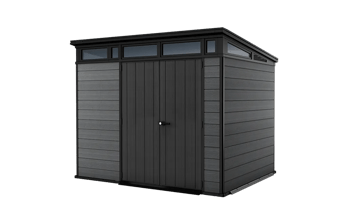
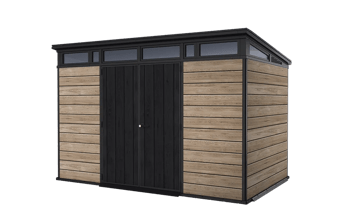
Resin shed kits are a more modern take on outdoor storage and are built to handle tougher weather without a lot of extra effort. They’re designed to be weather-resistant, so your belongings stay protected from rain, snow and cold temperatures.
One of the biggest advantages is that resin doesn’t deal with the same issues as other materials. It won’t rot, grow mold or attract termites, which makes it a really reliable option year-round. On top of that, they’re low maintenance and built strong, so they can handle winter weather without needing much from you.
Pros of a Resin Shed
In colder climates, resin sheds shine in several really key areas. They can shield your stored items from harsh weather conditions with little to no maintenance required. With the addition of insulation, a resin shed can provide a better place for your stored items than sheds made from other popular shed materials.
Weather-resistant resin sheds also do not rot, rust, mold or get termite infestations. This makes them a great choice for cold-weather storage. In addition, resin sheds boast low maintenance requirements and impressive longevity. They are also extremely durable, even in the worst winter weather. They are built to withstand years of use, making them a very good investment for homeowners in colder regions.
Other features, such as sturdy floors, high ceilings, skylights and built-in ventilation systems, contribute to the functionality and resilience of resin sheds. They are the best option for those looking for a tough winter shed.
Cons of a Resin Shed
The main con to consider when getting a resin shed is that they can be more susceptible to high winds if they are not anchored properly, but this is true of all sheds. All sheds must be anchored.
If you’d like to read more about the pros and cons of each shed material type, check out our blog about resin vs. wood vs. metal, where we do a deeper dive.
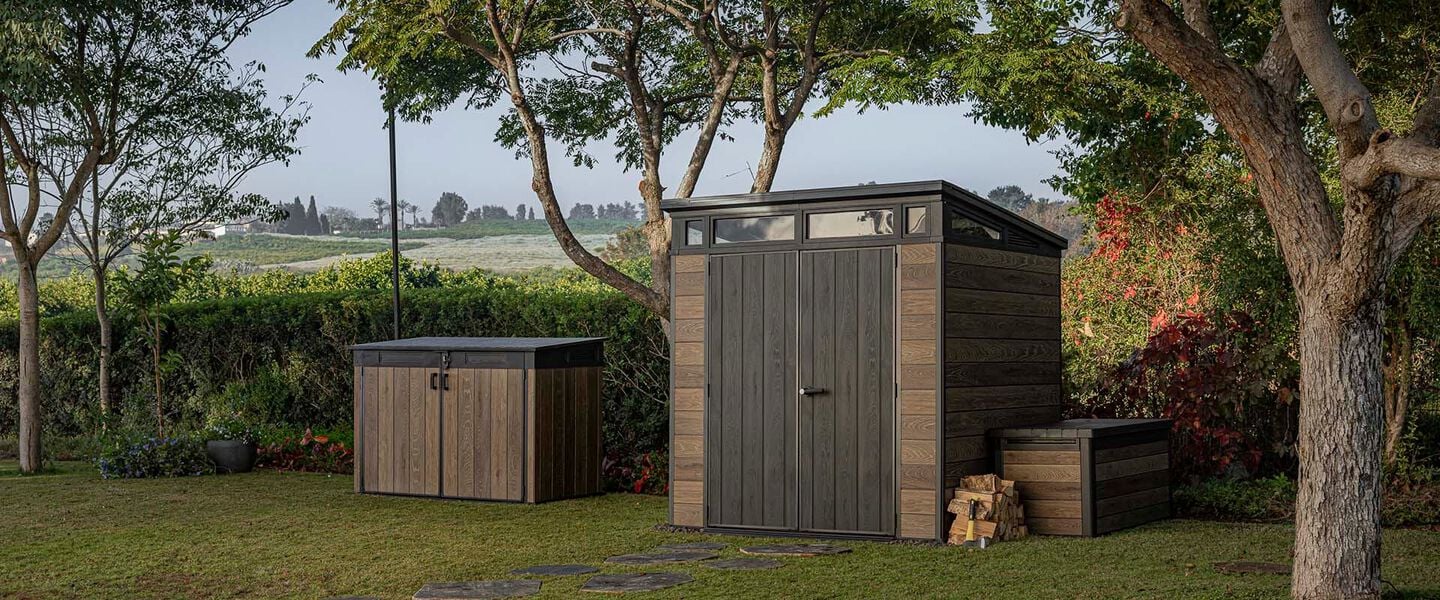

The Best Outdoor Shed Material
So, to sum up and answer, are there weather resistant sheds? Yes! After looking at how wood, metal, vinyl and resin sheds each handle cold weather, it’s clear that every option has its pros and cons. Wood sheds have that classic look and some natural insulation, but they do require more upkeep and can be more vulnerable to moisture over time. Metal sheds are strong and fairly low maintenance, but they can struggle with temperature swings and may be prone to rust in harsher climates. Vinyl is a decent option, but it doesn't have the sleek look of resin.
Resin sheds tend to come out ahead for a lot of homeowners. Resin sheds are built to be weather-resistant, hold up well against moisture and don’t deal with issues like rot, rust or pests. They also handle snow and rain well, which makes them a dependable option for year-round use with very little maintenance.
No matter what type of shed you choose, a little upkeep goes a long way. Winter weather can be tough on any structure, so checking in on your shed and taking care of small issues early can help it last longer and perform better.
If you’re looking for a low-maintenance option that is weather-resistant and has little to no maintenance needs, durable resin sheds from Keter are the way to go. The sheds come in a wide variety of sizes and colors to fit any aesthetic.
Frequently Asked Questions
Outdoor and Weather-Resistant Sheds
Which shed material is best for heavy snow and extreme winter weather?
Do outdoor sheds need to be insulated for the winter?
Will a metal shed rust if it gets buried in snow?
How do I prevent my shed from blowing away or shifting in strong winter winds?








We build in a sustainable manner.
We use innovative materials and leading technologies to build planet-friendly products that last a lifetime.

