Storage Shed vs. Storage Unit: Cost, Convenience and Which Is Better?
TL;DR: Storage units are great for temporary needs, but sheds win on cost, convenience and long-term value. Once a shed pays for itself (usually within a year or two), it's essentially free storage that's yours to keep.
Cluttered garage? No basement? Kids' gear taking over every room? At some point, most homeowners start asking the same question: Should I rent a storage unit or just buy a shed?
Both can solve the problem, but they work very differently depending on your budget, how often you need access to your stuff, and how long you plan to need the extra space. Here's an honest side-by-side breakdown so you can make the right call.
Cost of Outdoor Storage Sheds vs. Storage Units
This is usually the first question, and the answer depends on whether you're thinking short-term or long-term.
- Storage units typically run $70–$300/month, depending on size and features. A standard 10x10 unit averages around $100–$150/month. Climate-controlled units or larger sizes (like a 10x15 or 10x20) push that number higher. On top of rent, many facilities tack on admin fees, deposits, insurance requirements and lock fees. And here's the kicker: most facilities raise rates regularly to "keep up with demand" and often with little to no warning.
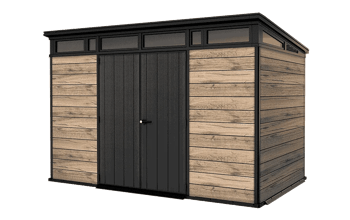
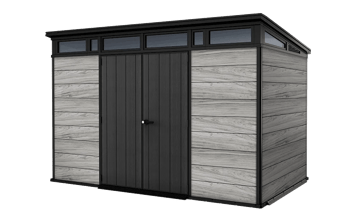
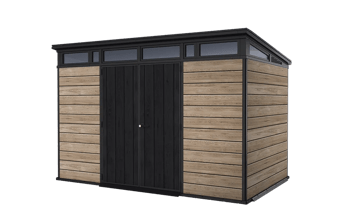
- Storage sheds have a higher upfront cost. A large resin shed, like those from Keter, starts around $1,500, and there are financing options available. But once it's yours, the monthly cost is zero. No rent hikes, no surprise fees. After one to two years, a shed typically pays for itself compared to renting.
- Bottom line on cost: If you need storage for just a few months, a unit makes sense. For anything longer than a year, buying a shed almost always comes out ahead.
Convenience of Outdoor Storage Sheds vs. Storage Units
Storage units require you to take a trip, even if the facility is close by. Most have limited access hours, gate codes and sometimes lines at the office. Moving heavy items in and out often means a truck or extra help. For temporary storage during a move or renovation, this is manageable. For frequent access? It gets old fast.
Backyard sheds win here, hands down, in our opinion. Everything is right there. Grab the lawnmower before it rains, pull out the holiday decorations without a second thought, or load up sports gear on a Saturday morning without driving anywhere. No scheduling, no fees, no gate codes.
Bottom line on convenience: For anything you access regularly, a shed is way more practical.

Ownership, Customization and Versatility
With a storage unit, you're renting someone else's space under their rules. You can stack boxes and add temporary shelves, but that's about it. No permanent modifications, no personalizing the space. It's functional, but it's never really yours.
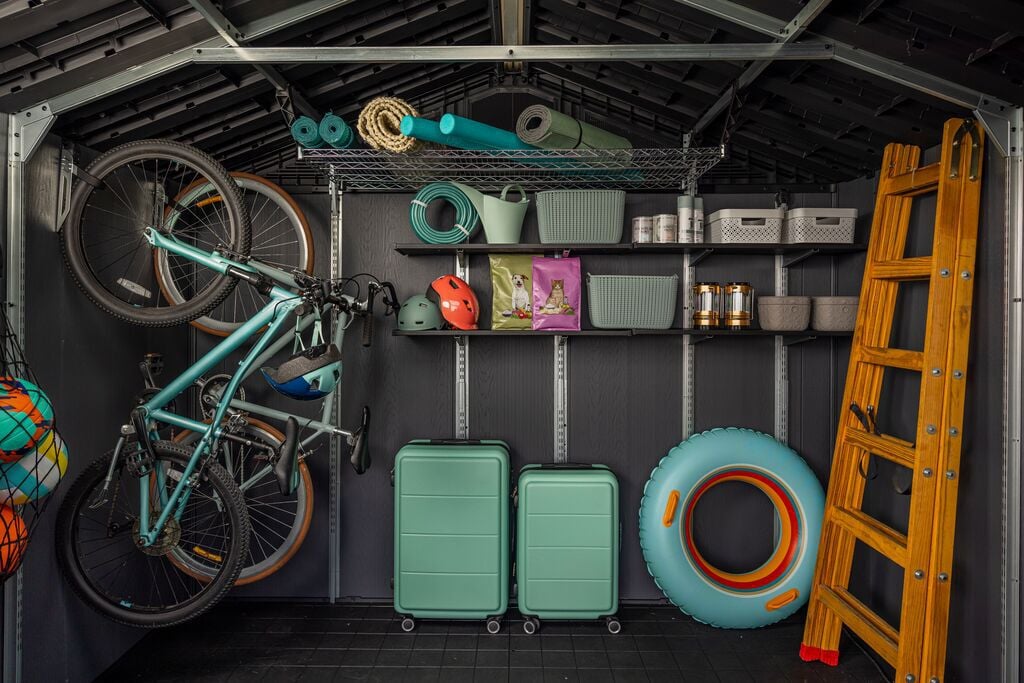
A backyard shed is an extension of your home. You can add shelving, hooks, lofts and workbenches. Lighting and insulation are popular upgrades that make the space usable year-round. Resin sheds (like Keter's) are especially easy to work with: they're sturdy, low-maintenance and are compatible with Keter shelving. For bigger upgrades like electricity, check local permit requirements first.
The space can also evolve as your needs change. So, maybe seasonal storage one year, a small workshop the next.
Security: How Safe Is Your Stuff?
Storage facilities typically offer gated access, surveillance cameras, on-site staff and sometimes climate control. That makes them a reasonable option if you're storing high-value or sensitive items like electronics, documents or antique furniture.
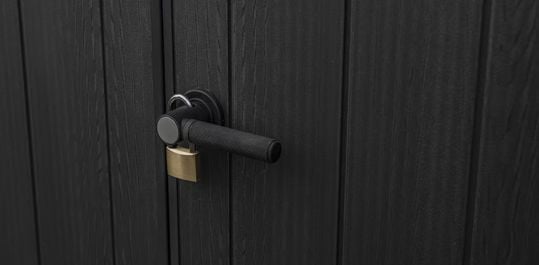
Sheds put security in your hands. A strong padlock, reinforced door, motion-sensor lighting and a basic camera go a long way. Keter sheds have a built-in padlock spot, making it simple to secure the space. The biggest security factor, though, is material: resin sheds resist weather, pests and rust better than wood or metal. So, your belongings stay protected without constant upkeep.
Bottom line on security: For extremely high-value items, a climate-controlled storage unit has an edge. For everyday belongings, a well-secured resin shed is plenty.

Size: Can a Shed Hold as Much as a Storage Unit?
Generally, yes. With good organization. A small shed is roughly comparable to a 5x10 unit; a medium shed lines up with a 10x10; and larger sheds match a 10x20 unit or bigger. The difference is that a shed's usable space goes vertical: shelving can dramatically expand what fits inside.
So, are outdoor sheds worth it? Yes! Keter sheds come in a wide range of sizes, and since you're choosing upfront, picking the right size means you're not paying month after month for more space than you need.
Insurance and Property Value
Shed insurance is usually simple. Most homeowner's policies cover sheds under "Other Structure" coverage, both the structure and its contents. Check with your insurer to confirm high-value items are listed, but in most cases, no separate policy is needed.
Storage unit insurance is often required by the facility, either through them or your own provider. It's an extra ongoing cost on top of monthly rent.
On the property value side, do storage sheds add home value? The answer is yes. A well-maintained shed can be a selling point for buyers who want organized, functional outdoor space. A storage unit rental has zero impact on your home's equity and ends the day you stop paying.
Quick Comparison of Outdoor Storage Sheds and Storage Units
| Storage Shed | Storage Unit | |
|---|---|---|
| Upfront cost | Higher (starting ~$1,500) | Low to none |
| Monthly cost | None | $70–$300+ |
| Access | 24/7, on your property | Limited hours, off-site |
| Customization | Full control | Minimal |
| Security | Your responsibility | Facility-managed |
| Property value | Can increase it | No impact |
| Best for | Long-term storage | Short-term or temporary |


Backyard Storage Shed vs. Self Storage Rental: Which One Is Right for You?
So, what is the best storage solution for homeowners? If you need storage for a few months during a move or renovation, renting a unit is the practical choice. But if you're looking for a long-term solution, something that saves you money over time, keeps your stuff accessible and actually adds value to your property, a backyard shed is the smarter investment.
Keter offers a range of durable, weather-resistant resin sheds in multiple sizes, with a wood-look finish (thanks to DecoCoat technology), easy DIY setup and minimal maintenance. Explore Keter's full shed lineup to find the right fit for your backyard and your budget.


Frequently Asked Questions
Is buying an outdoor storage shed cheaper than renting a storage unit long-term?
Does adding a storage shed increase my home's property value?
Are storage units more secure than outdoor sheds?
What are the main drawbacks of owning an outdoor storage shed?
When does renting a storage unit make more sense than buying a shed?











We build in a sustainable manner.
We use innovative technologies and sustainable materials to build planet-friendly products that last a lifetime