What’s the Best Foundation for Your Shed Size?
If you’re planning to add a shed to your yard, one of the first questions you might run into is: Does it really need a foundation? The short answer is yes. For most sheds, having a proper foundation isn’t just a nice-to-have. It’s key for keeping your shed stable, protecting it from moisture, and making sure it lasts for years.
That said, there are a few exceptions. Very small sheds or lightweight plastic models can sometimes get by with a simple base, especially if the ground is already level and firm. But even then, a little extra support goes a long way toward keeping things safe and square.
This guide is here to clear up the confusion between a shed base and a foundation, and to help you figure out which approach makes the most sense for your shed size. From small backyard storage to larger, more permanent structures, knowing the right base or foundation can save you headaches and keep your shed standing strong.
Shed Base vs. Shed Foundation – What’s the Difference?
It’s important to note that a shed base and a shed foundation are different. A shed base is usually a simple, lightweight way to lift a shed off the ground. Think paving stones, plastic grids, or a small gravel pad. These work well for small sheds or lightweight plastic models, keeping them level and giving a little protection from moisture. A shed base is easy to install, doesn’t take much time, and is perfect when the shed doesn’t carry a heavy weight or need long-term durability.
A shed foundation, on the other hand, is built to last. This could be a gravel pad, a concrete slab, or a pressure-treated timber frame. Foundations are designed for medium to large sheds, giving strong support that keeps the shed stable through wind, rain, or heavy use. They also protect your shed from moisture and shifting soil, which can save a lot of headaches down the road.
Understanding the difference between a base and a foundation makes it easier to pick the right option for your shed size. Small sheds can get by with a base, but larger sheds need a solid foundation to stay safe, dry, and standing strong for years to come. Choosing wisely now means the shed will be ready for anything you plan to store inside.
Why Every Shed Benefits from a Solid Base or Foundation


A solid base or foundation does more than just hold up a shed. It protects it for the long haul. When a shed sits directly on the ground, it can sink or shift over time, leaving doors that don’t close right, wobbly floors, and an uneven structure. A proper base or foundation keeps the shed level and steady, so everything inside stays safe and your shed continues looking its best.
Moisture is another big reason to invest in a base or foundation. Even small amounts of water can lead to rot, rust, or mold, especially on wooden or metal sheds. Lifting the shed off the ground and providing proper drainage helps prevent damage, keeps the interior dry, and protects any tools or supplies stored inside.
A sturdy base or foundation also increases the shed’s lifespan. For many Keter sheds, having a proper foundation is even part of the warranty requirements. By giving your shed the support it needs, it can last for years, withstand changing weather, and remain a reliable storage spot for everything from gardening gear to seasonal decorations.
Shed Size Guide – Foundation Recommendations


Small Sheds (4x2 ft to 6x3 ft)
For lightweight or plastic sheds, a simple base usually does the trick. Options like paving blocks, compacted gravel, or a plastic grid base are easy to set up and keep the shed level. Even small sheds can benefit from a slightly sturdier foundation if the ground is uneven or if heavier items will be stored inside, helping prevent shifting or sagging over time.

Medium Sheds (4x6 ft to 8x6 ft)
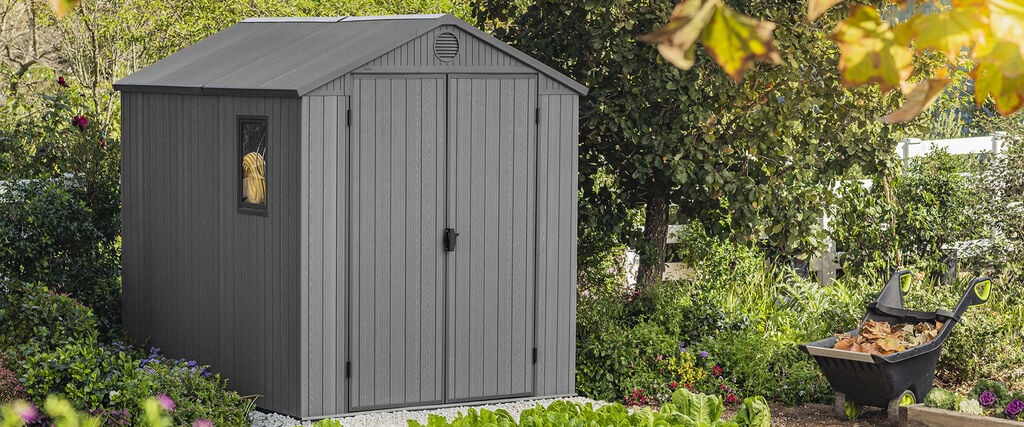
Medium sheds often hold bikes, lawnmowers, or garden tools, so the foundation needs to handle a bit more weight. Gravel pads, wooden frames filled with gravel, or small concrete pads are good choices. These foundations give extra support, help keep moisture away, and make the shed more durable, so it stays solid year after year.


Large Sheds (8x8 ft to 17×7 ft)
Bigger sheds carry heavy equipment, vehicles, or serve as hobby spaces, which means a strong, long-lasting foundation is essential. Concrete slabs, reinforced gravel pads, or professionally installed foundations provide stability, meet local code requirements, and protect your investment. A proper foundation ensures the shed stays level, safe, and functional for years to come.
Common Foundation Types & Pros/Cons
There are a few popular foundation options, each with its own strengths.
- Gravel pads are easy to install, drain well, and are budget-friendly, making them a solid choice for many medium-sized sheds.
- Concrete slabs offer a permanent, heavy-duty base that can handle big loads, though they’re a bit more of an investment and usually need professional help.
- Wooden frames or piers are another option. They are affordable and fairly simple to set up, but they may need occasional maintenance over time.
When deciding on a foundation, consider the size and weight of the shed, local climate and drainage, and how much DIY work feels comfortable. A small plastic shed might be fine on a grid kit, while a large workshop-style shed really benefits from a solid concrete slab. Matching the right foundation to the shed keeps it stable, protects your belongings, and helps your shed last for years.
Choosing the right shed base or foundation might feel like a small detail, but it makes a big difference in how long your shed lasts and how well it protects your belongings. A level ground and a proper foundation helps keep your shed stable, prevents moisture problems, and gives you peace of mind knowing it won't sink or shift over time. Small sheds can often get by with a simple base, while medium and large sheds benefit from more durable foundations like gravel pads, wooden frames, or concrete slabs.
Taking the time to match your shed size and weight with the right base or foundation pays off in stability, longevity, and even warranty protection. With a solid foundation underfoot, your shed is ready to stand strong through the years, keeping your tools, equipment, and outdoor essentials safe and organized. Once your foundation is in place, the fun part begins. Follow our guide on building your shed in a weekend for step-by-step kit assembly instructions that make the whole project doable in just two days.
Frequently Asked Questions
Shed Foundations
Do all sheds need a foundation?
What’s the difference between a shed base and a shed foundation?
Can I build my shed on uneven ground?
Do foundation types affect shed warranties?
Which foundation is best for heavy equipment or vehicles?





.jpg?sw=120)
.jpg?sw=20 "Do Sheds Need a Base? The Shed Foundation Dilemma")



We build in a sustainable manner.
We use innovative materials and leading technologies to build planet-friendly products that last a lifetime.