Do Sheds Need a Base? The Shed Foundation Dilemma
TL;DR: Every shed needs a solid foundation to stay level, dry and durable. Small sheds do well on gravel, pavers or blocks, while medium sheds benefit from reinforced bases, and large sheds or workshops perform best on a poured concrete slab. Proper site prep, compaction, drainage and anchoring prevent common problems like sinking, uneven floors and water damage. Gravel bases are budget-friendly and drain well, concrete slabs provide long-term durability, and timber or plastic grid systems work for uneven or eco-conscious setups. Following these practices keeps any shed safe, stable and long-lasting.
Every shed, from a small garden storage box to a full workshop, needs a solid foundation. You might be tempted to just plop it on the grass and call it a day, but a proper base does a lot more than keep it in place. It keeps your shed level, protects it from water damage and makes sure it lasts for years without unexpected headaches.
In this post, we’ll walk you through why every shed foundation matters, explore your options, cover common mistakes and share tips to make your shed floor strong and long-lasting. Think of this as your go-to resource for everything you need to know before building a shed base that can stand the test of time.
Do You Really Need a Shed Foundation?
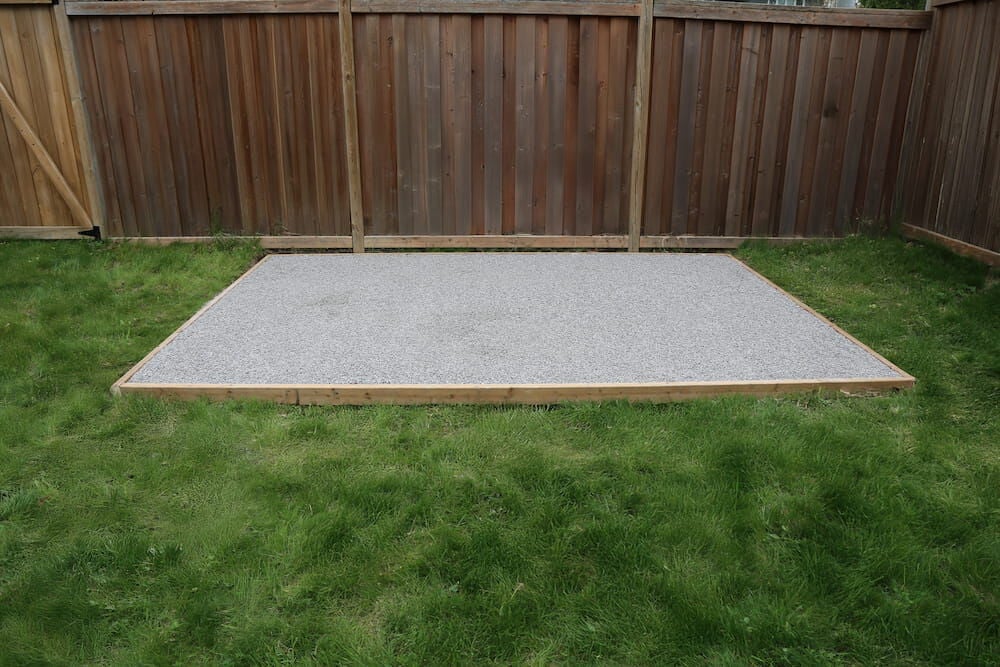

Yes, every shed needs a solid foundation. A proper base keeps the structure level, protects it from water damage and prevents it from sinking or shifting over time. Even a small garden shed can run into problems if it sits directly on grass or uneven soil. A stable foundation also makes maintenance easier, extends the life of the shed and keeps everything stored inside safe and dry.
What Happens If You Skip a Proper Shed Base?
Skipping a foundation can create issues that add up fast. Uneven ground can make a shed lean, cause doors to stick and lead to wobbly floors. Poor drainage can leave water pooling underneath, which can erode soil, promote mold and mildew, and even damage the shed’s structure. Over time, an unsupported shed may sink or shift, creating costly repairs or the need for a full replacement.
A solid shed foundation supports the structure, protects the investment, keeps the shed functional and ensures it stays sturdy and level for years. Taking the time to prepare the ground and choose the right base pays off with a shed that’s safe, durable and worry-free.
Popular Shed Foundation Ideas
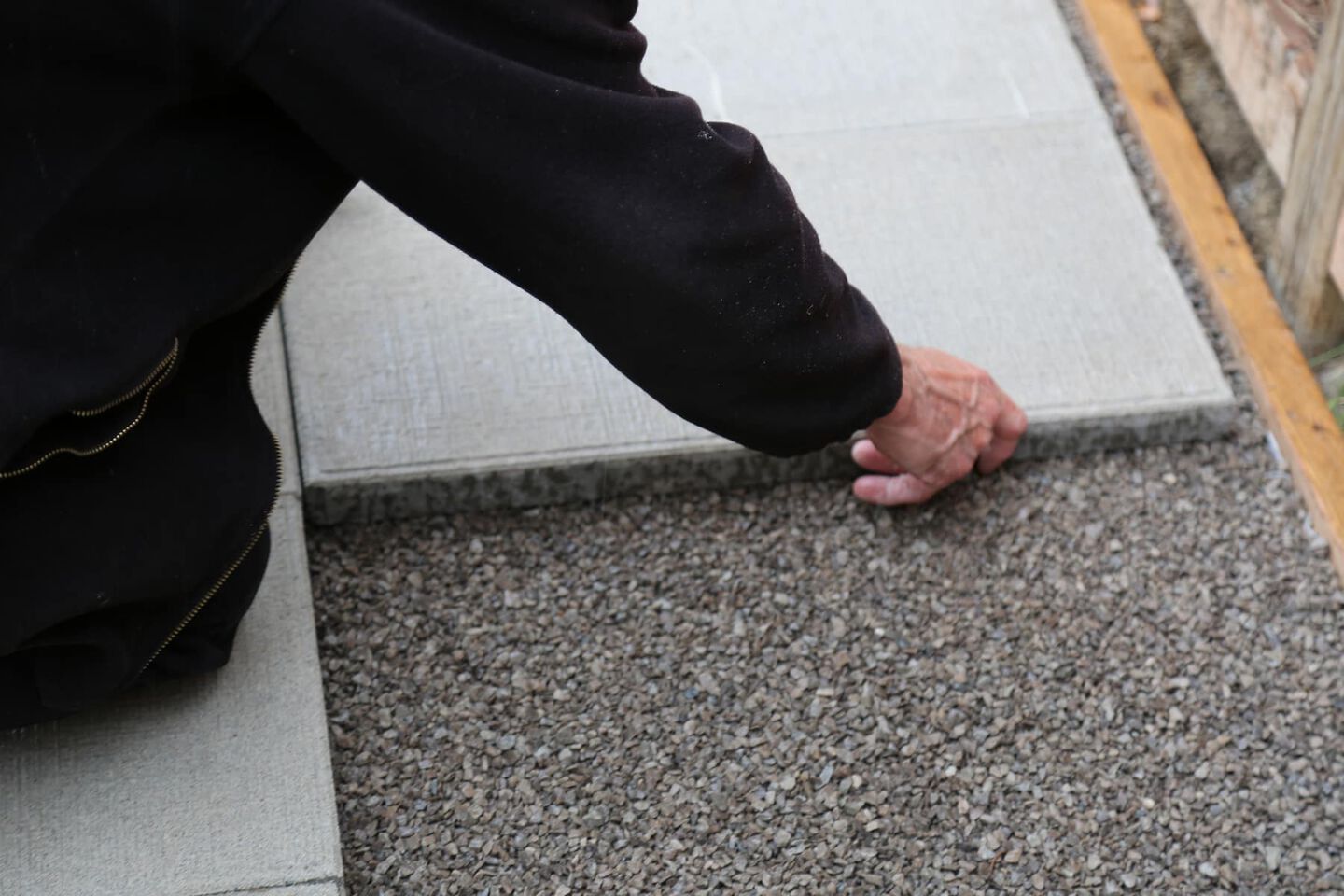

Choosing the right foundation is really important to keeping a shed stable, level and protected from water or shifting soil. The right base depends on the shed’s size, weight and the conditions of the ground it sits on. Here’s a breakdown of the most popular shed foundation options:
Gravel Base for Shed (Most Popular Option)
A gravel base is simple, affordable and drains well, making it a top choice for many small to medium sheds. It’s quick to install, adapts to slightly uneven ground and helps prevent water from pooling under the shed. Adding some landscape fabric underneath the gravel can reduce weed growth and make maintenance easier.
Concrete Pad for Shed
A poured concrete slab offers long-term durability and stability, making it ideal for heavy storage sheds, workshops or garages. Concrete handles weight well and provides a completely level surface. In colder climates, a concrete slab that extends below the frost line helps prevent shifting due to frost heave.
Paver Shed Base
Pavers create a level, attractive surface and are easier to install than a full concrete pad. This option works well for medium-weight sheds and gives the flexibility to adjust or replace individual pieces if needed. Pavers also allow for good drainage when installed on a properly prepared base.
Timber Frame Shed Base
A timber frame foundation elevates the shed off the ground, which is helpful for uneven terrain or areas prone to moisture. This type of base allows airflow beneath the shed, reducing rot and dampness. While it requires some upkeep to keep the wood in good condition, it’s a durable and effective option.
Plastic Grid System Base
Plastic grid systems are lightweight, eco-friendly, and designed to support sheds while providing drainage. They’re filled with gravel to create a stable surface and are especially useful when a simple, modular setup is preferred. Proper ground preparation is essential to make sure the grid base stays level and secure.
Choosing the Right Storage Shed Foundation for Your Shed Size
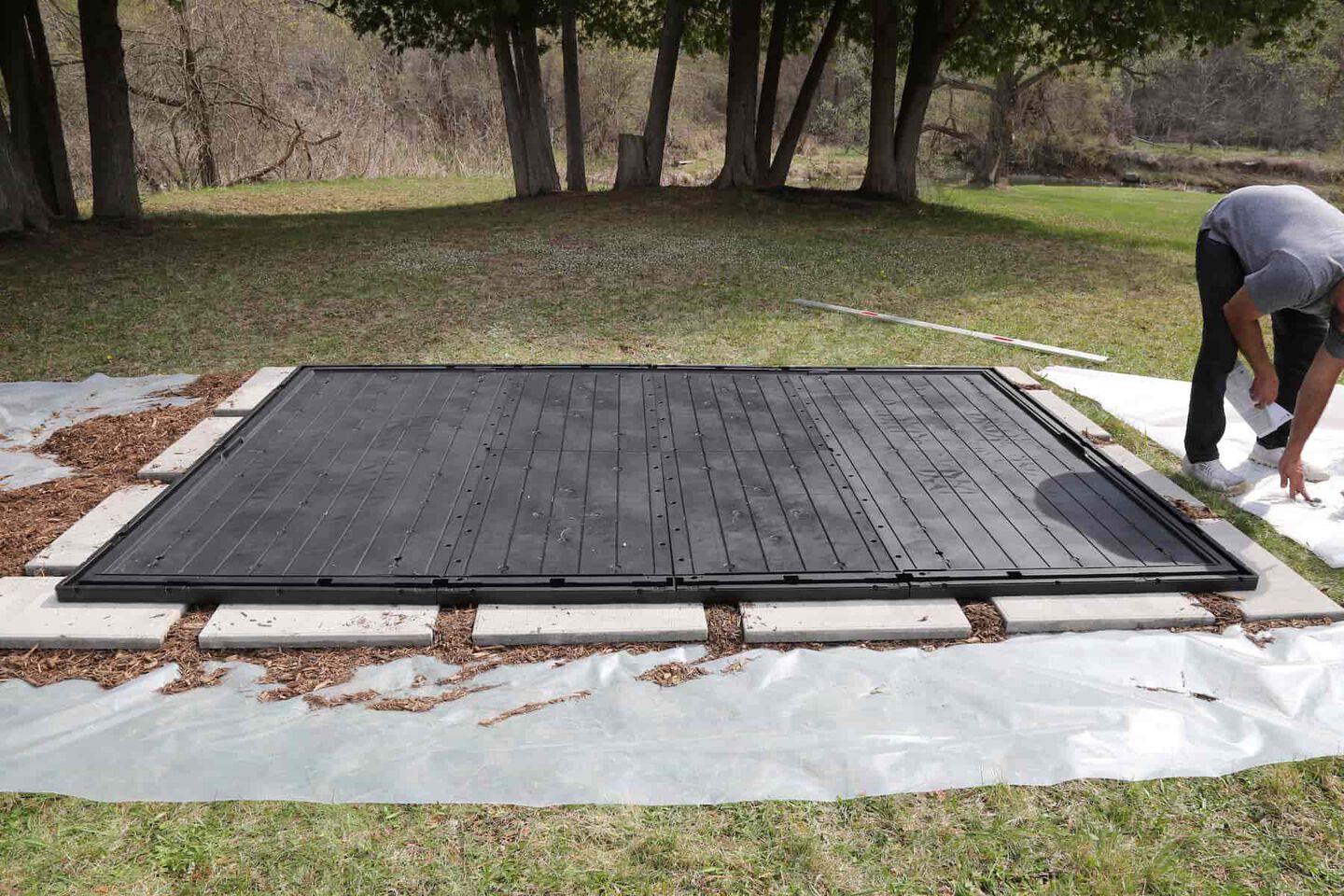

The size of a shed plays a big role in deciding which foundation will work best. Picking the right base helps keep the shed level, protects it from moisture and ensures it stays stable for years.
Small Garden Sheds (6x8 and Under)
For small sheds, lightweight options like a gravel base, pavers or concrete blocks usually do the job. These foundations are easy to install, budget-friendly and provide enough support to prevent shifting or uneven floors. Even with a smaller shed, having a proper base makes a big difference in durability and maintenance.
Medium Storage Sheds
Medium-sized sheds, often used for larger equipment or tools, benefit from a gravel base or a reinforced surface. This gives added stability and prevents sagging under heavier loads. A reinforced base can also help with drainage and level support, keeping the shed safe and functional over time.
Large Sheds and Workshops
Large sheds and workshops need a stronger foundation to handle heavier loads. A poured concrete slab is often the best choice, offering long-term durability and a completely level surface. Concrete can handle heavy equipment and provides stability in areas with changing soil conditions or frost-prone climates.
Best Practices for a Long-Lasting Shed Floor
A solid shed foundation starts with proper preparation. Compacting the soil or base material before adding gravel, pavers or concrete creates a firm surface that won’t settle unevenly over time. Even a small slope can cause doors to stick, water to pool or the shed to lean, so leveling the ground first is essential.
Anchoring the shed is another key step. Secure anchors prevent shifting in windy conditions and keep the structure stable for years. For heavier sheds or those in areas prone to frost, extending a concrete slab below the frost line helps avoid damage from ground movement during cold weather.
Managing water runoff is just as important. Directing rainwater away from the shed with a slight slope, gravel trenches or drainage solutions helps prevent pooling, rot and other moisture-related issues. Following these practices will help you make sure you have a shed floor that stays level, durable and worry-free for years to come.
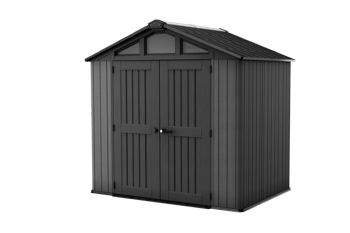
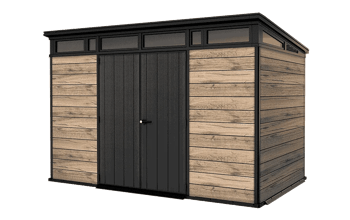
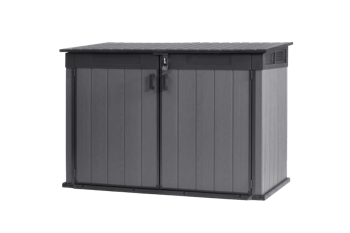
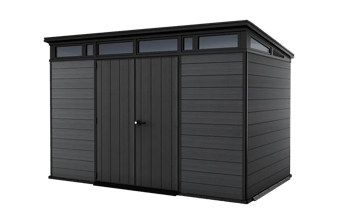
Ready to set up a shed that lasts? Explore Keter’s collection of durable, low-maintenance resin sheds. They’re weather-resistant, come with a built-in floor and pair perfectly with a solid foundation to keep your storage space safe, level and hassle-free for years.





Shed Foundation FAQ
A solid foundation is key to the durability of your shed. Here are answers to common questions about shed bases and installation.
Shed Foundation and Bases
Do you need a foundation for a shed?
Can you put a shed directly on grass?
What is the best gravel base for shed installation?
How thick should a concrete pad for a shed be?
How much does a shed base cost?
What’s the best foundation for a garden shed?


.jpg?sw=120)
.jpg?sw=20 "Redefining Storage: Fixing Common Shed Problems")


We build in a sustainable manner.
We use innovative materials and leading technologies to build planet-friendly products that last a lifetime.