.jpg?sw=1030)
.jpg?sw=20 "Storage Shed vs. Storage Unit: Cost, Convenience and Which Is Better?")
Storage Shed vs. Storage Unit: Cost, Convenience and Which Is Better?
Have you ever stared at your cluttered garage and thought, there has to be a better way to store all of this stuff? Maybe you live in a small apartment with hardly any closet space, or a house without a basement. Perhaps you’re expecting your first child and need to clear out a room, or your kids’ sports gear has officially taken over every corner of the house.
How to Increase Storage Space at Home?
You’re probably wondering what are my different storage options? We get it, these options can feel overwhelming since there are so many. Some of them are cheap and quick, some are a little bigger investment, but each comes with its own pros and cons.
From DIY garage shelves and hanging racks to storage totes, deck boxes, sheds or even renting a unit somewhere nearby, there’s a lot to weigh. So, to help you make a decision, in this blog, we’ll discuss these different types of storage and maybe help you find your best fit depending on your space, budget and how often you actually need access to your things.
Is it Cheaper to Rent a Storage Unit or Buy a Shed??
So, you’re probably wondering whether it is cheaper to rent a storage unit or buy a shed?
Spoiler: it depends on how long you need the space, how much stuff you have and whether you want long-term convenience or a short-term fix.
Storage Units
A quick search for “storage rentals near me” or “self storage space near me” shows prices vary a whole lot. For example, on average, a 10x10 storage unit runs $70–$150 per month, while larger options like a 10x15 storage unit near me or units with climate control can reach $300 monthly.
Additional fees can add up, including admin fees, deposits, insurance or padlock requirements. Even the cheapest self-storage near me may increase in price over time. For short-term storage, units are convenient, but long-term use can become costly. It’s also important to note that many storage facilities change their pricing month to month to “keep up with demand.” So, watch out for that.
Storage Sheds
Backyard sheds, like Keter’s large resin models, start around $1,500. That sounds like a lot up front, but it really isn't when you account for the cost over time over other storage options. Over time, the upfront cost can be less than the overall expense of monthly storage unit fees. So, with a shed on the property, there’s no risk of rent increases, ongoing monthly charges or hidden fees. Maintenance is minimal with durable, weather-resistant sheds, and ownership allows full control over organization, security and usage.
Takeaway
If your storage needs are short-term, maybe a storage unit would work for you, but for long-term convenience and cost savings, a backyard shed is usually the better investment. Permanent storage right on-site provides easy access, low maintenance and thankfully, no surprise costs.
Which is Better for Convenience: a Shed or a Storage Unit?
Trying to figure out which storage option is easier day-to-day, the difference is pretty clear. A backyard shed means everything is right there, ready to grab whenever it’s needed. No trips, no schedules, no extra fees; just open the door and get to work. Tools, holiday decorations, sports gear; everything is immediately at hand.
Storage units can work, but there’s a trade-off. Even if the unit is nearby, it usually comes with limited hours, gate codes and sometimes a line at the office. Moving heavy items in and out often requires a truck or extra help. Some units do offer climate control and extra security, which is a plus if storing sensitive or high-value items, but for everyday use, it’s a lot less convenient than a shed in the backyard.
When frequent access matters (like grabbing a bicycle after work or pulling out the snowblower on a snowy morning), having storage on-site wins every time.
Storage units provide off-site flexibility, but for day-to-day life, nothing beats the instant access and hassle-free convenience of a storage shed.
Storage Ownership, Customization and Versatility
A backyard shed can actually become a part of your home. Shelving, lofts, hooks or even a small workbench can turn it into a really functional and organized space. Lighting and shed insulation are popular upgrades, too, and they make it easier to use the shed year-round without freezing in winter or sweating in summer.
Customizing a prebuilt shed is usually way easier than building one from scratch. Adding shelves, bins or tool organizers takes minutes, and the sturdy structure means it can handle a little DIY tinkering without falling apart. For bigger projects like electricity, heating/cooling or insulation, it’s worth checking local rules. Some municipalities require permits for wiring or finishing the interior.
Costs can vary a lot depending on how much you want to upgrade. A few shelves and storage bins? Pretty affordable. Adding electricity or insulation? That’s a bigger investment, but still a one-time cost compared to paying month after month for a storage unit.
The best part: it’s flexible. A shed can grow and change as needs change, and unlike a rental unit, it’s all yours.
How Secure is a Shed Compared to a Storage Unit?
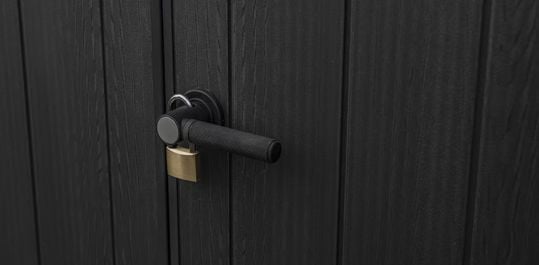

Security is one of the biggest questions when deciding between a backyard shed and a storage unit. Sheds are convenient, but they do come with some risks. Think theft, weather damage (depending on the shed type), and even pests. A shed is only as secure as the precautions taken: a strong lock, reinforced doors, motion-sensor lights or even a small camera can go a long way toward keeping things safe. Note: If you want weather-resistance and pest resistance, you need to consider the material of your storage shed. Resin sheds stand up to the elements and pests while being low to no maintenance. Wood, metal and vinyl sheds, on the other hand, can all have issues with the elements and maintenance.
Storage units do have gated access, cameras, staff on-site, alarms and sometimes climate control that make them appealing for high-value or sensitive items. If frequent access or control isn’t a priority, a storage unit can feel like a safer bet for long-term storage.
With all of that being said, though, sheds can still be a very secure and low-maintenance option—especially when choosing the right material. Wood, metal and vinyl all have their benefits, but resin storage sheds offer the best value. They’re weather-resistant, don’t require painting or sealing, and last for years with minimal upkeep. Keter sheds even have a built-in spot for a padlock (lock not included), making it simple to add an extra layer of security.
Are Sheds or Storage Units Bigger in Size?
When thinking about storage, size matters, and it’s one of the trickiest parts of deciding between a shed and a storage unit. A 5x10 storage unit might be roughly equivalent to a small shed, while a 10x10 unit lines up more with a medium shed, and a 10x20 storage unit is comparable to the larger sheds in most backyards.
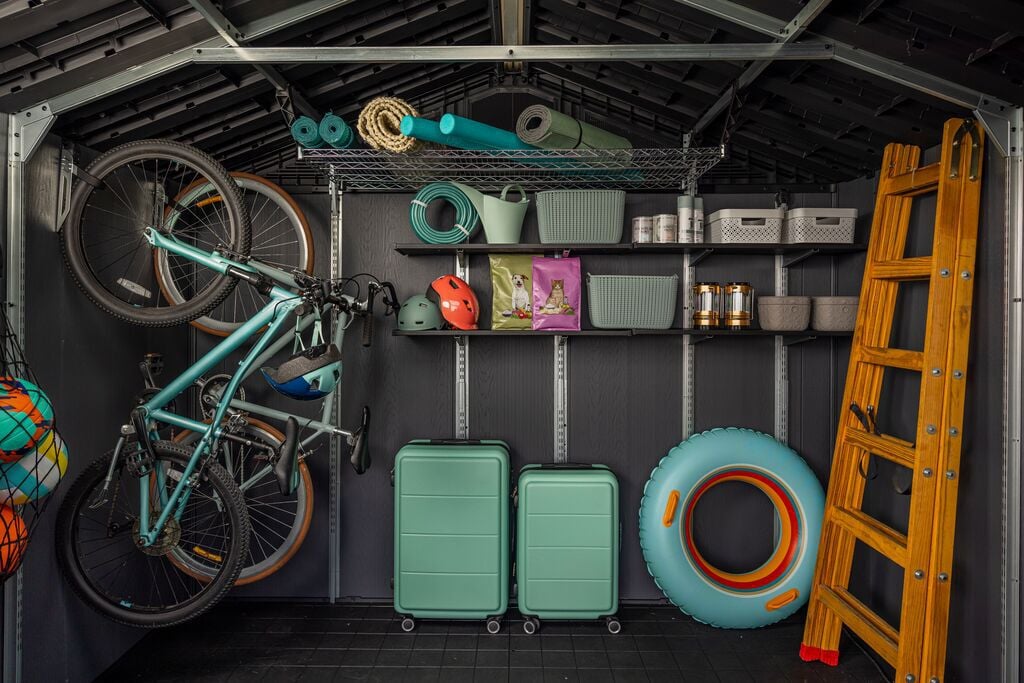
Realistically, what fits in a shed depends on how it’s organized. Bikes, lawn tools, holiday décor and furniture can all fit neatly with some planning. So, think vertical shelves, hooks and stackable totes. As we’ve mentioned, unlike a storage unit, everything is right on-site, so it’s easier to rotate items in and out without moving a truckload of boxes.
When comparing costs per square foot, sheds usually come out ahead over time. Yes, a bigger shed has a higher upfront cost than a smaller storage unit, but after the first year, it’s essentially free storage. There are no monthly fees or surprise cost increases. Choosing the right shed size upfront means there’s no need to keep renting more space later, and decluttering becomes much easier with a dedicated, organized spot.
In short, a well-planned shed can hold as much as (or more than) a storage unit, all while keeping items accessible and under control right at home.
Do You Need Insurance for a Storage Unit or Shed?
Insurance is one of those things that gets overlooked until something goes terribly wrong, but it can make a big difference when deciding between a shed and a storage unit. For storage units, many facilities require insurance, either through them or by showing proof of your own policy. Typical coverage includes theft, fire and sometimes water damage, but the details can vary widely. So, it’s really important to read the fine print before signing a lease.
For a backyard shed, homeowner’s insurance often kicks in under “Other Structure Damage Coverage,” protecting both the shed and its contents. That means tools, sports gear or seasonal décor may already be covered without buying a separate policy. Of course, you should double-check with your insurer on your own policy to make sure high-value items are properly listed.
Cost-wise, insuring a shed is generally cheaper in the long run. A one-time investment in coverage through a homeowners policy can protect everything in the shed, while storage unit insurance adds another monthly or annual cost on top of rent. For people storing valuable equipment, insuring a shed is definitely worth considering. It keeps things simple, cost-effective and under control right at home.
Will a Shed Impact My Popery Value?
A backyard shed can help you clear clutter, but it can also impact your home’s value. A well-built, permanent shed can add functional storage and can appeal to potential buyers, especially if it’s organized, durable and fits the yard nicely.
Permits are worth considering, like we talked about above. In some areas, a shed over a certain size or with electricity or plumbing requires a permit, and following local rules can make a difference when it comes time to sell. Features like a solid foundation, insulation, electricity or even smart design choices like windows or shelving can make a shed more attractive to buyers.
Size and placement of your shed really matter, though. A shed that’s too big, poorly positioned or in disrepair can have the opposite effect. So, potential buyers may see it as an eyesore or an obstacle. The key is to pick a shed that fits the space, meets storage needs and is well-maintained.
How to Find the Best Storage Unit or Shed
Figuring out where to put your stuff can feel like a lot, but it doesn’t have to be complicated.

Storage Units
Looking for a storage unit? Start with a simple Google search. Typing in “storage units near me,” “self storage space near me,” or even “rental storage units close by me” usually brings up plenty of options nearby. From there, it’s easy to compare sizes, prices and amenities. Don’t forget to check the small stuff too—insurance requirements, admin fees, deposits or lock fees can all sneak in and surprise you. Searching for exact sizes like “5x10 storage unit near me” or “10x15 storage unit near me” helps make sure the unit actually fits your needs without wasting a trip.
Storage Sheds
Looking for the perfect backyard shed? If a garden shed feels more convenient, brands like Keter make it easy to see what’s out there. Our resin storage sheds are low-maintenance, weather-resistant and have a spot for a padlock (lock not included). They come in lots of sizes, so whether it’s bikes, tools or holiday décor, there’s usually a shed that fits. They’re also easy to customize with shelves, lighting or even a small workspace right at home.
If you’re in the market for a storage shed and you’d like to see what we have to offer, check out the large selection of sheds Keter has to offer.
Frequently Asked Questions
Storage Units vs Storage Sheds
Is it cheaper to build a shed or rent a storage unit?
Can you make a storage shed secure enough for valuable items?
What size shed do you need compared to a storage unit?





We build in a sustainable manner.
We use innovative technologies and sustainable materials to build planet-friendly products that last a lifetime