
Why Some Sheds Leak, Warp or Rust and How Resin Avoids These Issues
TL;DR: Sheds made from wood or metal inevitably develop leaks, warping, and rust because those materials absorb moisture, expand and contract with temperature changes, and corrode over time. The damage usually sneaks up gradually, a drip here, a damp corner there, but the repair costs and weekend labor add up fast. Temporary fixes like sealant, flashing tape, and felt patches can buy you time, but they don't solve the underlying problem: the material itself. Resin sheds sidestep all of this because the material doesn't absorb water, rot, rust, or require repainting, the roof is designed to channel water away, and the structure holds up season after season with minimal maintenance.
You bought your shed to get organized.
It’s a place for the lawnmower, the holiday decorations, the stuff that doesn't have a home anywhere else. And for a while, it really worked. Then one rainy morning, you walked out and found water on the floor, a puddle under the shelving, maybe a dark stain creeping down the wall.
Now you're here, looking up shed roof repair on your phone, wondering how a simple storage structure turned into a recurring project.
It happens more than people expect. Wood swells, shrinks and eventually splits. Metal rusts at the seams. Felt roofs crack and lift. These aren't flukes. They're just what happens to certain materials when they sit outside through years of heat, cold and rain. Knowing why your shed leaks (or warps or rusts), makes it a lot easier to fix it, and to avoid the same headache with your next one.
So, we’ll cover the most common causes of shed damage, what you can do about it, and why some sheds don't have these problems at all.
Why Sheds Leak in the First Place
So, what’s going on with your shed? Well, it's rarely one big dramatic failure. Most sheds start leaking gradually, a drip here, a damp corner there, and by the time you notice it, the damage is already done. The good news is that it's almost never bad luck. It comes down to the material.
Wood sheds are the most common offender. Wood naturally expands when it gets wet and shrinks when it dries out. Do that enough times over enough seasons, and the seams start to split, panels warp and gaps open up where water can get in. The roof takes the worst of it. Certain types of shingles break down from UV exposure and freeze-thaw cycles, and once they start to lift or crack, water finds its way through fast.
Metal sheds have a whole different problem. They can start rusting at the seams and around the fasteners, those small spots where panels meet or screws go in. Once rust takes hold, it spreads, and water follows right along with it. Metal panels also dent more easily than people expect, and even a small dent can break the seal between panels and create a leak point.
If your shed has a felt or shingle roof (regardless of what the walls are made of), that's usually the first thing to go. Sun, debris and repeated freezing and thawing cause the material to crack, curl and pull away from the edges. A garden shed roof repair is one of the most common fixes homeowners end up doing every few years, because the roof takes a beating that the walls don't.

The Real Cost of Ongoing Shed Repair
A tube of roof sealant runs about $10. A shed cover is somewhere between $30 and $80. A roll of replacement felt for a shed roof repair? Another $20 to $40, plus a Saturday afternoon. None of those feels like a big deal on its own. But add them up over three or four years, plus the weekend you spent on a ladder, the tools that got soggy before you caught the leak, the door that warped so badly it barely closes anymore, and you've quietly spent a few hundred dollars and a lot of your free time on a shed that still isn't quite right.
That's the part that sneaks up on people. It's not one expensive fix. It's a string of small ones that never fully solve the problem. You patch holes in the roof, it holds through spring, then leaks again by fall. You treat the wood for rot, but the moisture keeps coming back because the real issue is the shed material itself. Wood and metal are the top offenders.
How Resin Sheds Are Built Differently
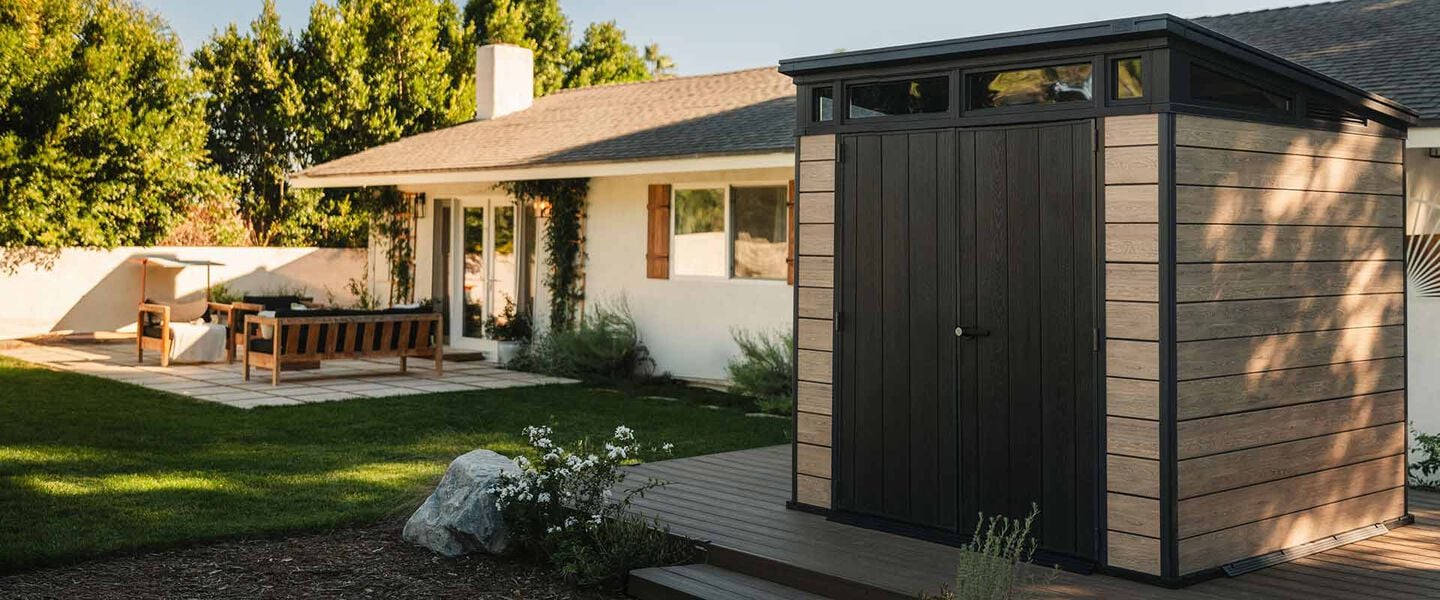
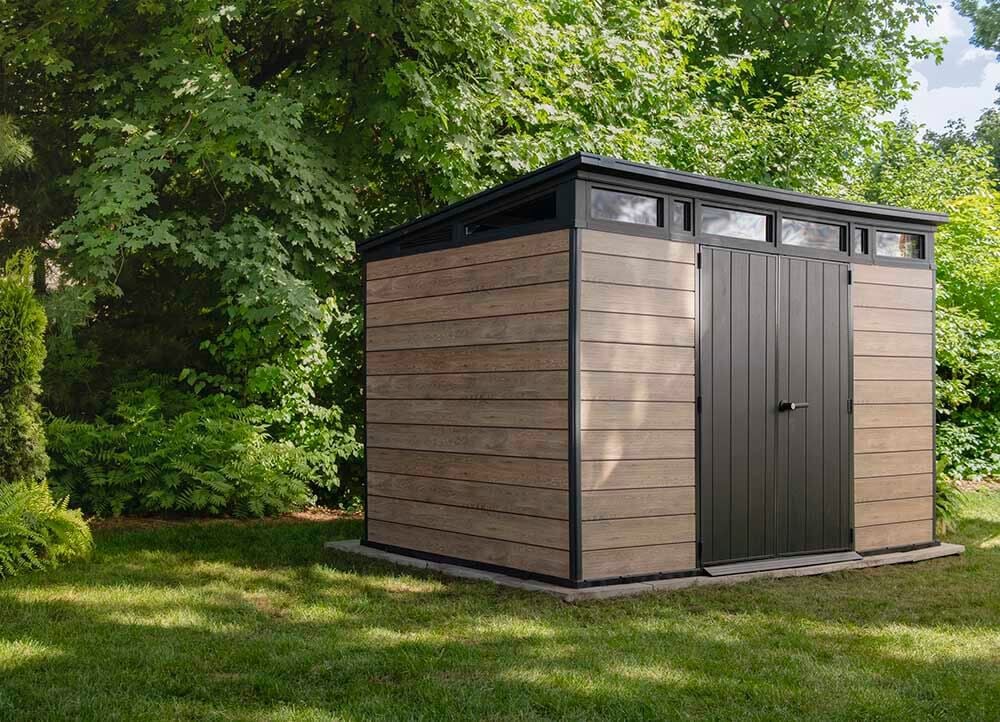
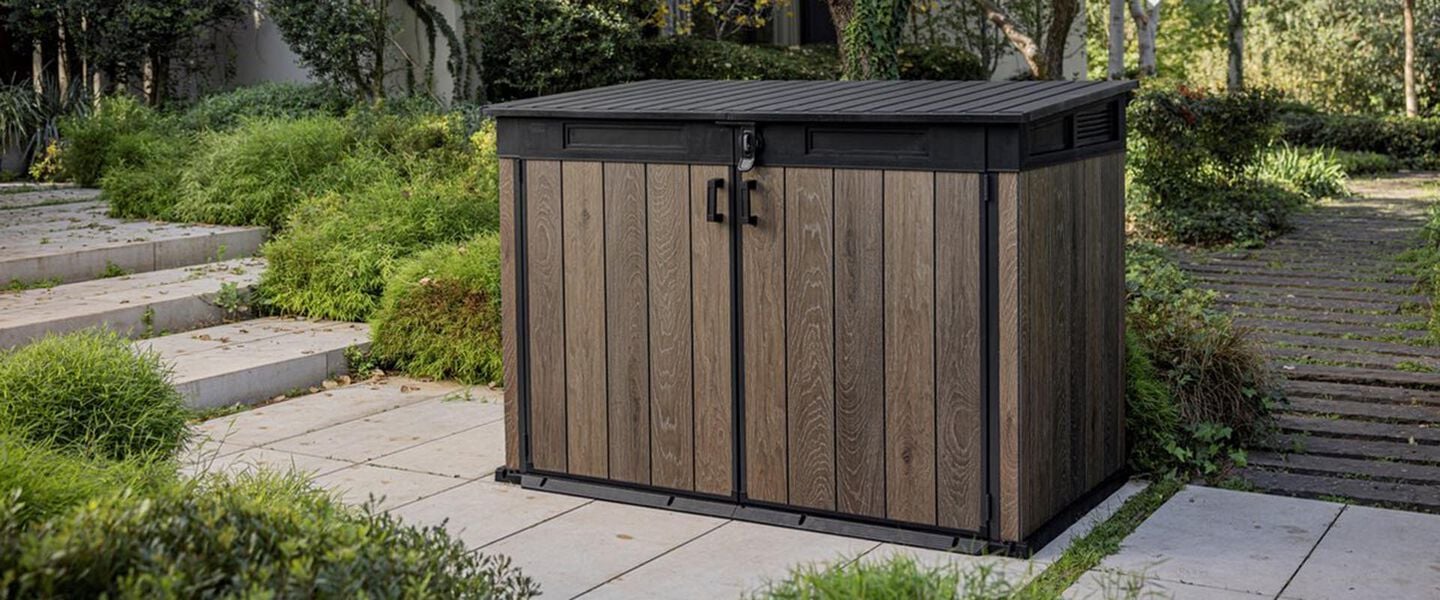
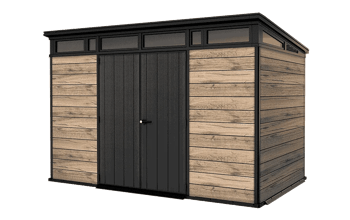
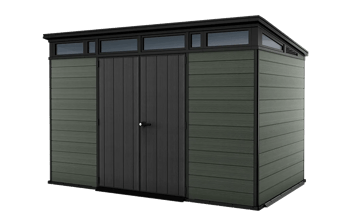
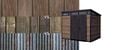
Resin is a hard, durable plastic material. It is tough and sturdy. It can sit in the sun and rain for years without cracking or fading. At Keter, we make our sheds from resin. This one difference changes pretty much everything about how the shed holds up over time. It doesn't absorb water, so there's no swelling, no shrinking and no warping. There's no wood to rot and no metal on the exterior panels to rust or corrode. And because the roof panels interlock and are designed to direct water away from the shed, there's no felt to replace and no shingles to re-nail after a rough winter.
That's a big deal if you've spent any time doing storage shed repair on a wood or metal shed. The maintenance cycle that feels so familiar (seal it, treat it, patch it, repeat) just doesn't apply. The material itself handles the weather, season after season, without asking much from you. Keter's sheds are also made with UV-stabilized resin, which means the color and structure hold up in direct sunlight instead of fading or becoming brittle the way cheaper plastics can.
What to Look for When You're Replacing (Not Repairing) Your Shed
If you've decided that a whole new shed makes more sense than another round of repairs, it's worth slowing down for a minute before you buy. Not every shed is built the same, and a few small details make a big difference in how long it lasts and how much work it asks of you down the road.
Here's what to check before you commit:
- Roof design. Look at how water is supposed to leave the roof. Does it have a real pitch? Do the panels overlap and lock together, or are they just sitting next to each other with a bead of caulk holding them? A roof that's designed to move water away from the shed is going to last a lot longer than one that relies on sealant.
- Floor and base. The bottom of a shed takes a beating. It endures things like moisture from the ground, heavy equipment rolling in and out, and temperature changes. A wood floor will eventually rot if it stays damp. A resin floor, or a shed designed to sit on a solid base without absorbing moisture, holds up much better over time.
- Assembly and ongoing maintenance. Ask yourself honestly: will you want to repaint this in five years? Re-treat the wood? Replace the felt? If the answer is no, look for a shed that doesn't require it. Resin sheds don't need painting, staining or waterproofing, ever.
- Warranty and weather rating. A shed that comes with a solid warranty tells you something about how the manufacturer feels about their own product. Check what's covered and for how long before you buy.
Keter's shed collection checks all of these. The roofs are designed to channel water, the floors are rot-resistant and there's no repainting or re-treating in your future adn warranty is included. If you've been holding off because a new shed feels like a big purchase, it helps to remember that the right shed covers years of repair costs (and weekend headaches) in one shot.

Quick Fixes If You're Not Ready to Replace Yet
Not everyone is in a position to buy a new shed right now, and that's completely fine. If your shed is leaking and you need to deal with it today, here's what actually works.
How to fix a leaking shed roof
If you've got an active leak, start by getting up on the roof when it's dry and looking for the obvious stuff first. Look for cracked shingles, gaps around any vents or edges. For small cracks and holes, you’ll need to patch them differently depending on your shed material. Flashing tape (a self-adhesive waterproof tape made for roofing) is great for sealing edges, joints and anywhere two surfaces meet. It goes on fast and holds up through rain. For bigger damage, a shed roof repair kit gives you everything you need to patch holes in the roof and reseal the surface in one go.
How to repair shed roof felt temporarily
If the felt is lifting at the edges or has a small tear, you can reattach it with roofing nails and seal over the top with bitumen sealant. If it's cracked across a larger area, laying a new piece of felt over the damaged section and nailing it down is a quick fix that buys you a season or two. It's not a permanent garden shed roof repair, but it'll keep the water out while you figure out your next move.
How to stop water seeping through wood or metal shed walls
Check the joints between panels first; that's usually where wall leaks start. Use a bead of exterior-grade silicone sealant along any gaps or cracks will block most water intrusion. If water is getting in around the door, worn weatherstripping is usually the culprit. It's cheap to replace and takes about 20 minutes.
How to stop a shed bottom from rotting
If the floor is already damp, get some airflow going; even propping the door open on dry days helps. Treat any exposed wood with a wood preservative rated for ground contact. If the shed is sitting directly on soil or concrete, raising it slightly on pressure-treated lumber or plastic shed base panels improves drainage and cuts down on moisture wicking up from below.
All of these fixes work, and they're worth doing if you need a solution right now. Just keep track of how often you're coming back to the same spots. If you're resealing the same corner every spring or re-nailing felt every fall, the fix isn't really fixing anything. The material is the problem. That's usually when it makes sense to start thinking about what comes next.
Dealing with a leaky, damp or warped shed is one of those frustrations that feels small until it isn't. You didn't buy a shed to spend your weekends on a ladder or your evenings googling shed repair solutions. You bought it to have a place to put your stuff and stop thinking about it.
The good news is that it really can work that way. The right shed, built from the right material, just sits there and does its job through rain, snow, heat and everything else. No repainting, no re-treating, no felt to replace, no rust to deal with. Just storage that actually works the way you always wanted it to.
If you're ready to stop patching and start using your shed the way it was meant to be used, Keter's shed collection is a great place to start. You might be surprised how much easier outdoor storage gets when the shed itself isn't the problem anymore.
FAQs
Shed Repair
How do you fix a damp shed?
How do you fix a leaky shed?
How do you stop water from seeping through shed walls?
How do you stop a shed bottom from rotting?



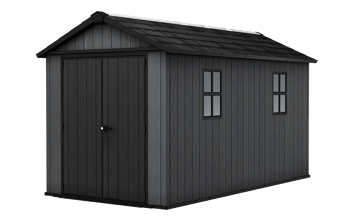

Purchase now
Newton Plus 7.5x13 Storage Shed - Graphite
Door Installs on Either Side | Free Shipping
Door Installs on Either Side | Free Shipping
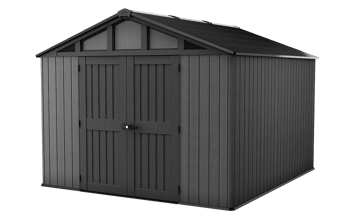

Purchase now
Stronghold 10x11.5 Storage Shed - Graphite
Extra Wide Double-Doors | Free Shipping
Extra Wide Double-Doors | Free Shipping





We build in a sustainable manner.
We use innovative technologies and sustainable materials to build planet-friendly products that last a lifetime