From Shed to Sanctuary: Converting Your Shed into a Tiny Home
Have you noticed how many people are turning a simple backyard shed into a cozy little home? It’s not just a Pinterest fad anymore. A tiny home shed can be a guesthouse, a backyard office or even a full-time place to live, and it’s catching on fast for good reason.
For starters, the price tag is a lot friendlier than traditional housing. Instead of spending hundreds of thousands on a new build, you can start with a solid garden shed shell and do a lot of the work on your own. Plus, a tiny shed home doesn’t lock you into one use forever. Need a rental for extra income? Done. Want a quiet retreat away from the main house? Easy. These spaces are flexible, personal and can grow right along with your needs.
Turning a shed into a home isn’t just about saving money. It’s also about creating a space that works perfectly for the way you live now. So, let’s take a look at the details so you can start out well-educated on what to do.
What to Check Before You Begin: Laws, Permits & Zoning
So, is turning a shed into a house a good idea? Absolutely, if you do it the right way. A tiny home shed can be an amazing addition to your property, but you can’t just plop one in the backyard and start moving in. Whether a tiny shed home is legal comes down to your local zoning rules and building codes, and those can vary a lot from one city or county to the next.
Before you spend a dime, call your city and county and work through this quick checklist:
- Zoning category: Is your property zoned for residential use, or will it need a variance?
- Permits: Most places require building permits for structural, electrical or plumbing work.
- Minimum square footage: Some areas set a size limit for dwellings, which could rule out tiny shed homes unless they meet certain requirements.
- Utility connections: If you’re planning to hook up water, sewer or power, make sure you know the regulations (and costs) ahead of time.
Skipping this step can lead to fines, stop-work orders or even being told to tear your shed home down, and no one wants that. Think of this as your foundation before the foundation: get the paperwork right and the rest of your project will go a whole lot smoother.
Choosing the Right Shed as Your Foundation
The shed you start with will set the tone for your entire project, so it’s worth getting this choice right from the start. Comfort, safety and even how easy it is to design the interior all come down to the type of structure you pick.
There are a few popular styles people gravitate toward:
- Wood sheds: Classic, timeless look with plenty of headroom and natural charm.
- Metal sheds: Strong and low-maintenance, with higher ceilings that work well if you’re planning a loft or extra storage.
- Resin sheds (like those from Keter): Durable, weather-resistant and low-maintenance, with built-in floors and ventilation, make them a smart starting point for a long-lasting project.
When it comes to size, “buy bigger than you think you’ll need” is advice you’ll hear from just about every shed owner. It’s amazing how quickly you can outgrow a space once you add furniture, storage and daily living essentials.
If you’re putting in the time and money to turn a shed into a home, choose materials that are weather-resistant and low-maintenance. That way, you’ll spend more time enjoying your new tiny shed home and less time fixing it. Look at the pros and cons of each popular shed type by reading our blog post about shed materials.
From Shell to Sanctuary: The Conversion Process


Turning a simple shed into a comfortable tiny shed home takes more than just moving in furniture. The real transformation happens in the build-out phase. This is when you turn the shell into a space that’s safe, efficient and livable year-round.
Start with the foundation. A sturdy base keeps your tiny shed home stable and dry. Many people go with a concrete slab for maximum durability, while gravel or plastic bases can also be decent options.
Once that’s set, shed insulation is your next must-do. Spray foam can offer a seal against drafts, fiberglass batts are a cost-effective and easy-to-install option, and rigid foam boards give you solid thermal protection without eating into too much floor space. Pair your insulation with smart weatherproofing, seal around windows and doors, add vapor barriers and block any gaps that could let in moisture or pests.
Next comes utilities. This is where you decide if you’ll be on-grid or off-grid. For most, that means hiring a licensed electrician to safely wire the shed for outlets, lighting and climate control. Plumbing can be traditional if you’re tying into existing water and sewer lines, or you can explore options like a composting toilet and greywater system for a more sustainable setup. Whichever route you choose, plan these systems early. Moving pipes and wires later is expensive and a total headache.
With a strong foundation, reliable insulation and well-planned utilities, your tiny home shed is ready for the fun part, making it feel like home.
Designing for Small-Space Living


Multifunctional furniture is key in tiny homes: sofa beds that pull double duty, drop-leaf tables that fold away and storage ottomans that hide clutter while giving extra seating. These small choices make a huge difference in comfort and livability.
An important thing is to use vertical space to your advantage. Lofted beds, wall-mounted shelves and hooks for hanging gear or décor keep the floor clear and open. Higher ceilings give you more room to play with storage and layout, so plan for them if you can.
Light changes everything in a small space. Large windows, glass doors and skylights make a tiny shed home feel open and airy instead of cramped. Pair natural light with a style that matches your personality (rustic charm, clean modern lines or relaxed boho) and the space feels bigger, brighter and inviting.
Off-Grid and Eco-Friendly Upgrades
Adding off-grid features to your tiny shed home is easier than you might think. Solar panels provide reliable, clean electricity, while rainwater harvesting systems reduce water usage and add independence. A composting toilet keeps waste manageable without a full sewer hookup.
These upgrades aren’t just practical; they also tie into being sustainable, which is so important. Even a small, tiny shed home can showcase green living while cutting utility costs and environmental impact.
Common Challenges and How to Solve Them
Converting a shed into a home has its pitfalls, but knowing them ahead of time makes the process smoother. Poor insulation is a top complaint, but proper materials and careful sealing keep your tiny shed home comfortable in heat and cold.
Space limitations show up fast in small layouts. Plan storage, furniture and multi-use areas early to avoid feeling cramped. Rodents and pests can be a nuisance, so invest in proper sealing, ventilation and preventative measures.
Finally, assembly difficulty catches a lot of first-timers off guard. Choosing a shed kit can really help with this issue. Keter’s sheds all come in shed kits that are easy to assemble with basic tools, which is a big bonus.
Turning a shed into a tiny home is definitely more than just a weekend project. It takes time and effort, but it can be amazing! With the right planning, a tiny home shed can become a cozy retreat, a creative studio or even a source of rental income.
Ready to start your own tiny home shed transformation? Explore Keter’s durable, weather-resistant resin sheds. They are the perfect starting point for your future backyard sanctuary because they have built-in ventilation, include shed floors and are low to no maintenance. Some models even feature windows and skylights. They’re a great investment when it comes to a tiny home or storage.
Quick FAQs
If you’re thinking about turning a shed into a tiny home, you probably have a few more questions. Here are some quick answers to help you get started with your shed project.
Tiny Home Sheds
Can a shed be a tiny home?
Can you build a tiny home for $5,000?
What are the most common tiny home shed mistakes?
Ready to get started? Browse our large shed collection today and find the perfect shed to turn into your ultimate tiny home shed. Your personal escape is just a few steps away.

Purchase now
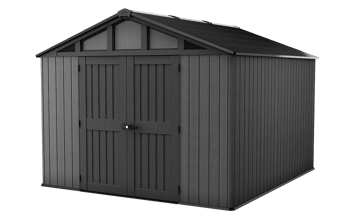
Stronghold 10x11.5 Storage Shed - Graphite
Extra Wide Double-Doors | Free Shipping
Extra Wide Double-Doors | Free Shipping




We build in a sustainable manner.
We use innovative materials and leading technologies to build planet-friendly products that last a lifetime.