Resin vs. Wood vs. Vinyl vs. Metal Sheds: Which Material Reigns Supreme for Your Backyard?
TL;DR: Choosing the right shed really comes down to what you need from it. Wood gives you a classic look and lots of customization, but it takes a lot of maintenance. Metal is budget-friendly and secure, though it can rust and doesn’t hold up well in every climate. Vinyl is durable and low-maintenance but comes with a higher price and limited style options. Resin tends to strike the best balance overall, with strong weather resistance, easy upkeep and designs that work well in most backyards.
So, you’re thinking about adding a shed to your backyard? We get why! Building an outdoor shed is a great way to add extra storage space and keep your home organized. However, as you do research, you’ll find there are several popular types of sheds. The options can be overwhelming, and deciding on the type of shed material you want is one of the most difficult parts. As you’re doing your research, you’ll come across four shed material types the most. They include resin, wood, vinyl and metal.
While the storage shed materials might not seem like a big deal, there are some big differences that you want to think about before you buy a new storage shed, especially if you’re doing a DIY shed. So, in this post, we’ll be outlining the advantages and disadvantages of each shed material type so you can understand the pros and cons of resin vs. wood vs. vinyl vs. metal sheds to make the best decision.
What Should You Know About Resin Sheds?
What Are Resin Sheds?
So, let’s start by talking about Resin sheds. This shed type was created to be a more versatile, affordable and low maintenance shed material. These sheds have been designed to be what you need them to be. So, it can store items, be made into a workshop or even be a makeshift pool house. Resin combines most of the benefits of wood, vinyl and metal while also addressing the large disadvantages of each shed material. Resin sheds are also more environmentally friendly compared to wood and Keter takes that one step further by using 100% recyclable materials. They are extremely durable, just like wood and metal sheds. As for assembly, resin sheds that come in shed kits are very easy to assemble with only basic tools.
What are the Pros of Resin Sheds?
So, why choose a resin shed? There are some really big advantages.
- Easy cleaning
- Rot, insect and rust-resistant
- Easy to assemble
- Durable
- Low to no maintenance
- Weather-resistant
- Aesthetically pleasing
- Often comes in a shed kit
What Are the Cons of Resin Sheds?
So, then, what are the cons of choosing a resin storage shed?
- Limited customization/painting
- Lower wall load-bearing capacity
- UV fading risk (without inhibitors)
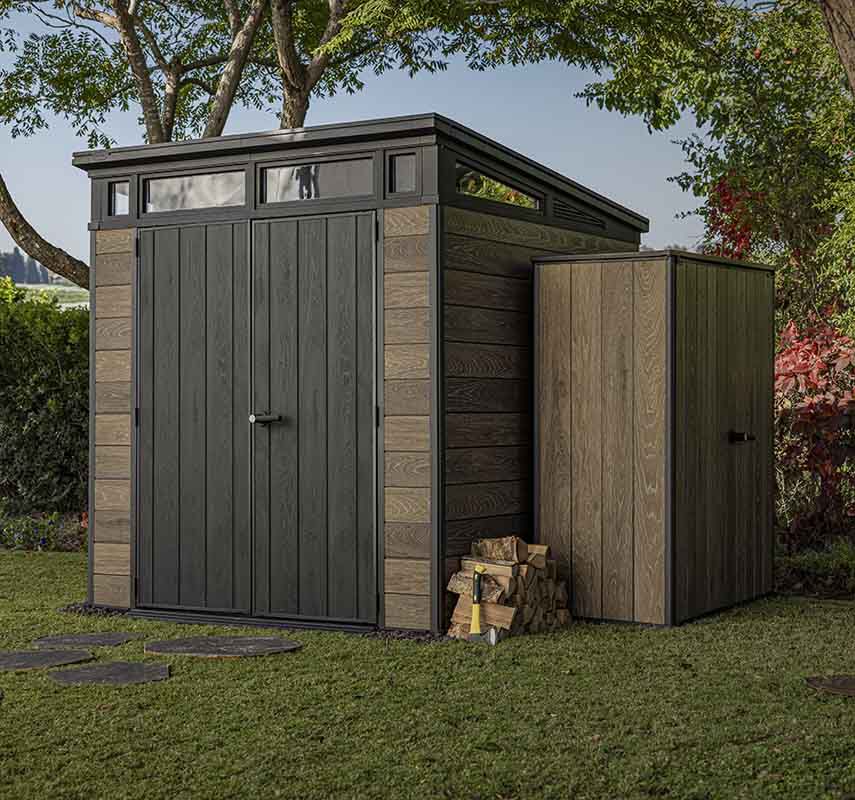

Luckily, resin comes with very few disadvantages. One important thing to consider is that resin sheds need to be anchored to a base. This isn’t a big deal since most sheds need to be put on a base. Resin sheds also have a lower wall load-bearing capacity and without inhibitors, there can be a UV fading risk. This can be avoided with a resin shed from a company like Keter that knows what they are doing, though. Keter sheds are all about innovation and making the product the best it can be. Keter resin sheds are often steel-reinforced and double walled for durability and strength. With additional features like our innovative DecoCoat technology, many of our sheds have a gorgeous wood look and feel that fights against rotting, pests, UV damage, and more.
Lastly, let’s look at pricing. Resin is pricier than metal sheds, but less expensive than vinyl or wooden sheds. However, when comparing a resin vs. wood shed or a metal vs. resin shed, resin usually comes out ahead for durability and ease of maintenance.
Are you looking to learn more about resin sheds? Here is a video that shows some of the benefits for the Keter Signature Collection sheds in action. Signature collections sheds are made from an innovative DecoCoat material that looks and feels like wood without all the maintenance wood brings.
Who Should Buy a Resin Shed?
So, what types of people would benefit most from a resin shed? Quite a few.
- Busy Homeowners: If you’re the type of person who just wants to set up your shed and have it be reliable without a lot of fuss, resin is great for you. You won’t need to spend time painting, staining or treating your shed. Resin sheds are fade-resistant, rust-resistant and weather-resistant. So, they require very little upkeep. Simply set it up and leave it alone for the most part.
- Suburban Families: If your family has a lot of lawn equipment, bikes, toys, gardening tools and seasonal décor, there is a resin shed in the shape and size you need to keep everything stored away neatly. Thanks to the many designs and finishes of these units, resin sheds usually fit right in with HOA regulations or suburban aesthetics, also.
- Renters or Short-Term Homeowners: If you’re renting or not sure you’re going to be in your home for a long time, certain sheds will need to be left behind. Not resin sheds, though. The lightweight yet durable construction makes them easier to assemble compared to wood or metal, in particular. This is also great if you don’t want to invest a bunch of money in a permanent structure, since you might be leaving fairly quickly.
- Budget-Conscious Buyers: If you’re looking to save a buck or two, resin sheds are typically more affordable than wood or high-quality metal sheds. So, they’re a really good choice for homeowners who need storage but maybe don’t want to over-invest.
- Homeowners in Harsh Climates: So you live somewhere where the climate is super harsh? This is no problem for resin sheds. Unlike wood, they won’t warp and unlike metal, they won’t corrode. In fact, resin sheds will not rot, rust, mold, peel or let pests in as easily as other shed materials. This makes them a great durable choice for humid, rainy or snowy regions.
- Aesthetically-Minded Owners: We understand that many people like the classic look of a wooden garden shed. However, wood sheds are so high-maintenance. That’s why many resin sheds are designed to look like wood or have decorative features without being high maintenance like wood or metal. So, they're functional while also being beautiful.
Resin-based garden sheds are growing in popularity because of their versatility and simplicity. If you have more specific questions about them, take a look at the most asked Keter shed questions for detailed information.
What Should You Know About Vinyl Sheds?
What are Vinyl Sheds?
Next, let’s talk about vinyl sheds a bit more. You could say that vinyl is cousins with resin. It is, in fact, a resin-based plastic. This makes it durable. It also won’t get damaged easily by the elements like wood and metal can. They’re usually easy to assemble. Let’s look at a few more of the pros and cons.
What are the Pros of Vinyl Sheds?
So, why choose a vinyl storage shed? Vinyl does have a few good benefits.
- Strong UV resistance
- Weather-resistant
- More pest-resistant
What are the Cons of Vinyl Sheds?
- Limited customization
- Has a very basic look
Who Should Buy a Vinyl Shed?
So, who might like a vinyl shed? There are a few groups that would benefit from possibly adding a vinyl storage shed to their yard. Let’s talk about a few:
- Long-Term Homeowners: Are you planning to stay in your home for a while? Vinyl sheds will last for a long time if they are cared for properly. They tend to resist things like rot, rust, dents and pests, making them more of a “buy once” investment than wood or metal.
- Homeowners in Harsh Weather Areas: If you live somewhere where the weather is harsh, vinyl sheds can be a good option because they are more UV-resistant. So, it won’t fade, crack or become brittle in extreme sun exposure. It also does well in heavy snow and even humid air.
- Busy Homeowners Who Still Want Low Maintenance: Just like resin, vinyl sheds require very little upkeep. So, if you don’t want to do yearly maintenance, this can be a plus.
- Higher-End Buyers: Vinyl sheds are more expensive than resin, so you’ll need to spend more. They do tend to last for a while, but you need to keep in mind that there is a big upfront cost.
Vinyl sheds are a decent option if you’re looking for versatile and low-maintenance storage.
What Should You Know About Wooden Sheds?
What Are Wooden Sheds?
Wooden sheds are probably what you picture when you think of a traditional shed. They have a classic look and feel. You can build them out of things like cedar, pine, treated lumber, etc. They are usually created by using framing lumber and pressure-treated plywood to create that traditional wood appeal. When comparing them to resin, vinyl and metal sheds, their biggest pro is that wood sheds can be customized. So, you can easily add things like shelving, lofts, ramps, etc. Wood sheds do require a lot of maintenance, though, like sealing, staining, pest control and even rot prevention that other sheds don’t need. Let’s look at the pros and cons of a wooden shed, more in depth.
What are the Pros of Wooden Sheds?
- Attractive and easily customizable
- Blends with homes easily
- Can support heavy shelving and modifications
What are the Cons of Wooden Sheds?
- Requires ongoing staining/painting
- Vulnerable to rot/insects without maintenance
_1030x650.jpg?sw=1000)
_1030x650.jpg?sw=20)
Who Should Buy a Wooden Shed?
So, what type of person might benefit from a wooden shed? Here are a few examples.
- Homeowners Who Value Aesthetics: While other shed types are also attractive, wooden sheds are really easy to customize. So, if you want something that will match or complement your home (especially if you live in a traditional or rustic-style house), wood is a good option. They can also be painted or stained any color, and you can add things like trim, flower boxes, shutters, etc. Deciding between a metal vs. wood shed often comes down to cost versus customization, since metal is usually cheaper while wood gives you more design flexibility.
- DIY Enthusiasts and Customizers: As we mentioned, wood sheds are the easiest shed type to customize. So, you can truly make them your own. If you want things like loft storage, windows, shelving, workbench space, etc. that you can customize, this might be the shed type for you.
- People Needing Larger or Heavy-Duty Storage: Wood sheds are very sturdy. So, they’re great for storing heavy items and even being used as a workspace or hobby bench.
- Long-Term Homeowners Willing to Maintain It: These sheds need a lot more upkeep than other shed types (like pest control, staining, rot prevention, etc.). However, if you enjoy painting, staining and sealing, you might love this shed type. It’s an ongoing project.
- Rural or High-End Property Owners: You can customize these sheds to blend in with your existing house and landscape. You can even make it look like a small cottage or outbuilding. This can help increase property value and the overall look of your home.
- Buyers Who Prioritize Strength and Insulation: Wood sheds offer a bit more insulation than other shed types. So, it’s not bad if there are temperature swings. If you need a workspace or hobby space, a wood shed might be a good fit for you.
What Should You Know About Metal Sheds?
What Are Metal Sheds?
Metal sheds are a popular shed type because they come in different gauges of thickness and are created using galvanized steel, aluminum or vinyl-coated steel. They are extremely sturdy but very utilitarian. They do not hold up well in super wet conditions because they can rust. They are also very susceptible to temperature swings if they aren’t insulated properly. While they are a secure shed option, they also need quite a bit of maintenance, like rust prevention, dent repairing, repainting and panel replacement. Let’s dive into the pros and cons of metal storage buildings a bit more.
What are the Pros of Metal Sheds?
- Very durable and secure
- Long lifespan in dry climates
- Low purchase cost
What are the Cons of Metal Sheds?
- Can rust in humidity
- Gets very hot or cold (temperature regulation is bad in metal sheds)
- Harder to assemble and customize
When comparing a metal vs. plastic shed, resin (plastic) sheds are easier to put together and move, while metal sheds offer more strength but require extra maintenance.
Who Should Buy a Metal Shed?
Who might benefit most from a metal shed? Here are a few people who will benefit most.
- Budget-Conscious Homeowners & DIYers: Metal sheds are more affordable as far as large storage options go. So, it is a good option for tight budgets that need more space.
- Homeowners Focused on Security: If security is a bigger issue for you, then just adding a padlock, a metal shed is harder to break into than other shed types.
- People in Mild, Dry Climates: If you live somewhere wet or humid, metal sheds will rust. They will require rust prevention. In dry climates, they can last for a long, long time, but be mindful of temperature swings.
- Utility-Minded Buyers Who Care About Function Over Form: Metal sheds have a very basic industrial look. So, if you’re looking for storage and not looks, metal sheds might be a viable option.
- Homeowners Who Don’t Mind Some Maintenance: Before you get a metal shed, it’s important to note that they need rust prevention and occasional repainting. So, they’re a good choice if you are okay with doing maintenance.
Metal sheds are strong and durable, but you can get strength and durability from resin, vinyl or wood sheds as well. The maintenance on a metal shed will probably be less than a wood shed, depending on your climate. However, a resin or vinyl shed will be much easier to maintain than a metal shed.
How Do Different Shed Materials Compare?
So, now that we’ve talked about the shed types, are you feeling confused about which material type might be best? Let’s break it down even more, comparing the material types, one-on-one.
Metal / Steel vs. Wood Sheds - Which is Better?
Let’s start off with metal vs. wood sheds. For starters, metal tends to last longer than wood. This is especially true when they’re steel sheds. They’re resistant to pests, rot and fire, and with basic upkeep, you can expect a metal shed to last potentially 20+ years. Wood sheds, on the other hand, do have a classic look and are sturdy; they need a little more TLC. Moisture, insects and weather can take a toll if you’re not keeping up with maintenance. A well-cared-for wood shed can last 10–15 years, but it really depends on the climate and how it’s sealed and treated.
Metal / Steel vs. Resin / Plastic Sheds - Which is Better?
Next, let’s compare metal vs. resin/plastic sheds. It’s true that metal and resin sheds are built to go the distance. However, resin is much lower maintenance. Resin and plastic sheds won’t rust, peel or rot and they can easily last 15–20 years (or more) with hardly any upkeep. Metal sheds are more vulnerable to rust if not properly coated or maintained, especially in humid or salty climates. So if you’re looking for something durable and low-effort, resin usually wins here.
Resin vs Wood Sheds - Which is Better?
Lastly, let’s look at wood vs. resin/plastic sheds. While wood does have a classic look (like we’ve mentioned), it just doesn’t have the durability of a resin/plastic shed. Wood sheds can last around 10–15 years with regular upkeep, but you’ll need to watch for signs of rot, termites or mold. They also require a ton of patience to keep them looking sharp. Resin sheds, on the other hand, are pretty much set-it-and-forget-it. They’re extremely durable, weather-resistant, harder for pests to get into and easy to clean. You can expect a resin shed to last 15–20 years without needing to repaint, reseal or worry about decay.
How Do Resin, Wood, Vinyl and Metal Sheds Compare?
Here’s a quick look at how each shed material stacks up, so you can see the differences at a glance. If you’ve been wondering, what are sheds made out of? If you’re trying to decide the best type of shed to buy, this table can help you make a clear choice.
| Material | Cost | Maintenance | Climate Suitability | Customization | Ease of Assembly |
|---|---|---|---|---|---|
| Resin (Plastic) | Medium ($800–$2,500) | Very low; easy to clean, no painting or sealing | Great for most climates; resists moisture, UV, pests | Limited painting/customization | Very easy; kits available, lightweight |
| Vinyl | High ($1,500–$3,500) | Low; resists pests and moisture | Excellent; UV-resistant, good for snow & sun | Limited; mostly pre-designed | Moderate; heavier and less portable |
| Wood | High ($1,000–$4,000+) | High; requires painting, staining, sealing | Good if maintained; can warp or rot in humid/rainy areas | Very high; can paint, add shelving, wiring or trim | Moderate; heavier and more labor-intensive |
| Metal | Low ($500–$2,000) | Medium; rust prevention and occasional repainting needed | Best in dry climates; can rust in humid/coastal areas | Limited; hard to modify | Moderate; heavier, assembly can be tricky |


Use-Case Recommendations
So, what’s the bottom line? Which shed types work the best in certain use cases:
- Tight Budgets: Metal sheds are often the most affordable large storage option, but resin sheds give you a durable, low-maintenance solution that’s worth the little extra upfront cost.
- Low-Maintenance Storage: Resin sheds win hands down. No painting, staining or pest treatments, and they resist weathering and fading.
- Harsh Climates: Resin and vinyl sheds perform best. Both resist moisture, UV rays and pests, making them ideal for humid, rainy, snowy or sunny regions. Metal sheds may rust, and wood sheds need regular upkeep.
- Customization & DIY Projects: Wood sheds are unbeatable if you want to paint, add shelving, wire for electricity or even convert into a workshop or hobby space. In a resin vs. wood shed comparison, resin wins for low maintenance, while wood is the go-to if customization is your priority. This is one of the rare instances where wood is the better choice.
- Workshops or Heavy Storage: Wood sheds handle heavy shelving and equipment really well, but it can be less flexible for modifications. Resin sheds are also a good option because they often have pre-designed shelving and other equipment storage that keeps everything organized.
- Aesthetic Appeal: This is really subjective. Wood sheds have a classic look. However, resin storage sheds come in so many different shapes, colors and designs that are much easier to care for than wood. Yet, they have a wood-look. Resin is also virtually maintenance free. So, they’re beautiful, functional and easy to maintain.
Which Shed Material Is Best for Your Climate?
When choosing a shed, the climate around your home is a big deal. Some shed materials handle heat, moisture or snow better than others, and thinking about this upfront will help you pick a shed that works best for your yard.
- Humid or Rainy Climates: Resin and vinyl sheds are ideal for wet climates. They resist moisture, won’t rot, rust or warp, and are more pest-resistant. Wood sheds can do fine if maintained regularly, but metal sheds may rust unless treated.
- Coastal Areas: Salt air can be harsh on metal sheds, causing corrosion over time. Resin sheds hold up well in coastal environments, and vinyl sheds are also a durable option. Wood requires extra maintenance to prevent water and salt damage, sadly.
- Extreme Heat: Vinyl sheds are UV-resistant, and resin sheds can handle sun exposure without cracking or fading. Metal sheds can get very hot, and wood may dry out or warp.
- Heavy Snow or Cold: Resin and vinyl sheds are weather-resistant and won’t be damaged by snow accumulation. Wood sheds can handle snow if built solidly, but as we mentioned, they need regular maintenance. Metal sheds are strong but can become brittle in extreme cold.
- Sustainability: If you care a lot about sustainability, resin sheds from Keter are a strong choice. They’re made from recyclable materials and are highly sustainable, offering durability without the environmental impact of constantly replacing or treating wood.
Which Shed Material Is Best for Customization?
Some sheds are easier to personalize than others. This might not seem like a big deal, but it can be. If you want shelves, racks, windows, etc., it’s worth thinking about how much customization you’ll need.
- Resin Sheds: Keter resin sheds are designed to integrate with racks, shelves and other accessories. They can handle organizational upgrades while staying low-maintenance, making them perfect for homeowners who want a functional shed without extra upkeep. Many models also have windows, and all of the sheds have built-in ventilation.
- Vinyl Sheds: Customization is limited. Most vinyl sheds come pre-designed and aren’t meant to be painted or heavily modified.
- Wood Sheds: Wood is the most customizable. You can paint or stain it any color, add shelving, wire for electricity, install ramps, vents, windows or even turn it into a workshop or hobby space.
- Metal Sheds: Limited customization options. You can add basic shelves or hooks, but painting or structural changes are tricky. These sheds are best for straightforward storage needs or utility-focused spaces.
No matter which material you choose, thinking about how you’ll organize and access your shed is key.
What Shed Size Do You Need?
After picking your shed material, you need to consider the shed size. The key is making sure you come with an accurate shed size estimate, making sure you’re not reorganizing or upgrading a year from now because you ran out of space.
We understand that looking at shed sizes can be a bit of a guessing game, though. So, to help with that, here are some of the most popular shed sizes and what they can each accommodate to get you started.
- 6x8 shed: A practical option for basic yard tools, a push mower, patio cushions and a couple of bikes. It works well in smaller yards that still need dependable storage.
- 7x7 shed: A balanced square layout that’s easy to place along a fence line. Great for garden tools, bins and seasonal items.
- 8x8 shed: One of the most versatile footprints. You’ll have space for equipment plus shelving without feeling cramped.
- 8x10 shed: A very popular upgrade size, especially if you’re comparing options like an 8 x 10 metal storage shed versus an 8x10 resin storage shed. This size gives you room for larger lawn equipment and better organization.
- 10x15 shed: A strong choice for long-term storage, riding mowers, multiple bikes and heavy equipment. A 10x15 shed gives you flexibility if your storage needs are growing.
So, if you’ve been researching things like a 10x10 shed or comparing an 8x10 resin shed to metal options, material should come first and then size second. You can usually find a shed in your ideal material in almost any size.
And if you want a more detailed walkthrough, be sure to check out how to choose the perfect shed size for your storage needs. It walks through layout planning and real-world examples so you can feel confident in your shed sizing before you buy.
So Which Shed Should You Buy?
Choosing the right shed really comes down to what matters most to you and your lifestyle. Wood sheds are a classic option that offer a lot of customization and aesthetic appeal. You can paint or stain them, add shelves or even turn them into a little backyard workshop or hobby space. The trade-off is that they require regular upkeep to stay looking good and last over time. Wood sheds are also very expensive. Metal sheds are a practical, budget-friendly option that can be very durable in dry climates. They’re secure and cost-effective, but they don’t offer much in the way of customization, and in humid or coastal areas, rust can be a concern. Vinyl sheds hold up well in harsh climates and require very little maintenance. They resist pests, UV damage and moisture, which makes them a solid long-term investment. Though they can be expensive upfront, they have a very basic appearance and are less flexible if you want to personalize them. Resin sheds combine the best features of these materials. They are weather-resistant, virtually maintenance-free, durable, and built to last. Many come with built-in floors, ventilation, and lock-ready doors, and their modular design makes them easy to customize with windows, shelves, or skylights, making resin sheds a top choice for durability, convenience, and style.
Where to Buy Your Shed?
If resin feels like the right fit for your backyard, and you’ve done research, you might’ve seen sheds from many different retailers. If you’re comparing options, pay close attention to material quality, weather resistance, warranty coverage and long-term maintenance requirements.
However, we’d recommend Keter sheds. Keter offers a wide range of resin storage shed options in popular sizes like 6x8, 10x8 and 10x15. While you will find select Keter sheds at major home improvement retailers such as The Home Depot and Lowe's, as well as places like Walmart, in addition to membership and online retailers like Costco, Sam's Club and Amazon, depending on season and availability, some shed models are available exclusively through our online shop only. Keter also offers dedicated customer support based in the USA. So, if you have questions, it’s easy to get an answer. We’d suggest checking Keter for the latest in shed designs and colors.
At the end of the day, the right shed should fit your space, your climate and your storage needs. If low maintenance, durability and a wood-look design matter to you, a Keter resin prefab garden shed is built to handle everyday use without the upkeep that comes with wood or untreated metal.
Resin sheds offer a balanced solution for many homeowners. They combine low maintenance, durability and weather resistance with the ability to integrate shelves, racks and vents for organized storage. They provide the reliability and longevity you want from a shed without the constant attention that wood or metal might require. These sheds also come in many colors and designs while also having a wood-look. For most backyards, resin sheds strike a great middle ground, giving you practical storage, beauty, versatility and peace of mind.
Frequently Asked Questions
If you’re wondering whether to choose a garden shed in wood, metal or plastic, you’re not alone. Choosing the right material is one of the most important decisions when buying a shed. Different materials have different strengths, costs and maintenance needs, so it’s worth understanding the pros and cons before you make a purchase.
General Shed Questions
Which shed material lasts the longest?
Which is easiest to assemble or move?
How do sheds perform in different climates?
What is the longest-lasting outdoor shed?
Questions About Shed Materials
What’s the difference between resin and vinyl sheds?
Are metal sheds cheaper than wood?
Is it better to get a metal or plastic shed?
Is a vinyl shed better than a plastic shed?
What is better, a vinyl or a wood shed?
What is cheaper, a wood or a metal shed?
Resin and Plastic Sheds
Can you paint a resin shed?
What are the advantages of a resin shed?
What are the disadvantages of a resin shed?
Are resin sheds worth the money?
Do resin sheds fade?
What is the life expectancy of a plastic shed?
Vinyl Sheds
What are the advantages of a vinyl shed?
What are the disadvantages of a vinyl shed?
Do vinyl sheds warp?
What is the life expectancy of a vinyl shed?
Wood Sheds
What are the advantages of a wood shed?
What are the disadvantages of a wood shed?
Is it cheaper to build a wood shed or buy one?
What is the best wood to use for a shed?
Metal Sheds
What are the advantages of a metal shed?
What are the disadvantages of a metal shed?
Do metal sheds get too hot in summer?
What is the life expectancy of a metal shed?
Do metal sheds need maintenance?
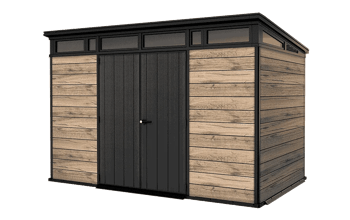


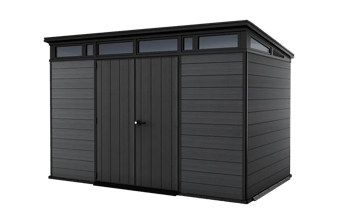

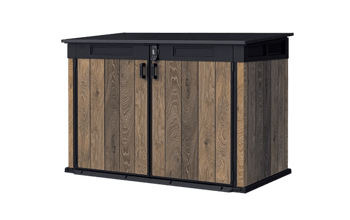

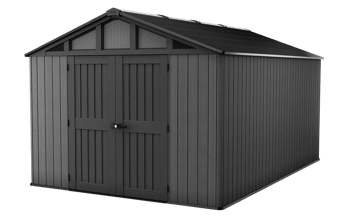

Purchase now
Stronghold 10x15 Storage Shed - Graphite
Extra Wide Double-Doors | Free Shipping
Extra Wide Double-Doors | Free Shipping




We build in a sustainable manner.
We use innovative technologies and sustainable materials to build planet-friendly products that last a lifetime.