
Raised Garden Beds vs. Planter Boxes: What’s the Difference?
Trying to decide between a raised garden bed and a planter box? What is even the difference between the two?
It can feel confusing at first. Both sit above the ground, both keep plants organized and both work for greenery or flowers. A quick search for raised garden beds vs. planter boxes shows just how many people are wondering the same thing.
So, in this post, we’ll walk through the differences, break down the pros and cons, and show when a modern resin or plastic planter box makes the most sense for your space.
The Differences Between a Raised Garden Bed vs. Planter Box
It can be confusing as both raised garden beds and planter boxes lift plants off the ground and keep things organized, but there are some key differences. Keter’s raised garden beds have an open bottom, and are made from durable resin. They don’t sit directly on soil like traditional in-ground beds. So roots grow in the soil you add rather than tapping into the earth below. A traditional planter box works differently because it has a solid base with built-in drainage holes, giving you full control over soil, nutrients and water.
By understanding the differences, it’s easier to pick the right solution for your space. For modern patios, decks or smaller yards, planter boxes from Keter combine durability, low maintenance and flexibility, making it simple to grow healthy plants without the hassle of wood rot or soil pests. While plastic raised garden beds are also low maintenance and durable, they are better suited for yards that have a little more room for planting. Let’s talk more about each option a bit more, though.
What Is a Raised Garden Bed?
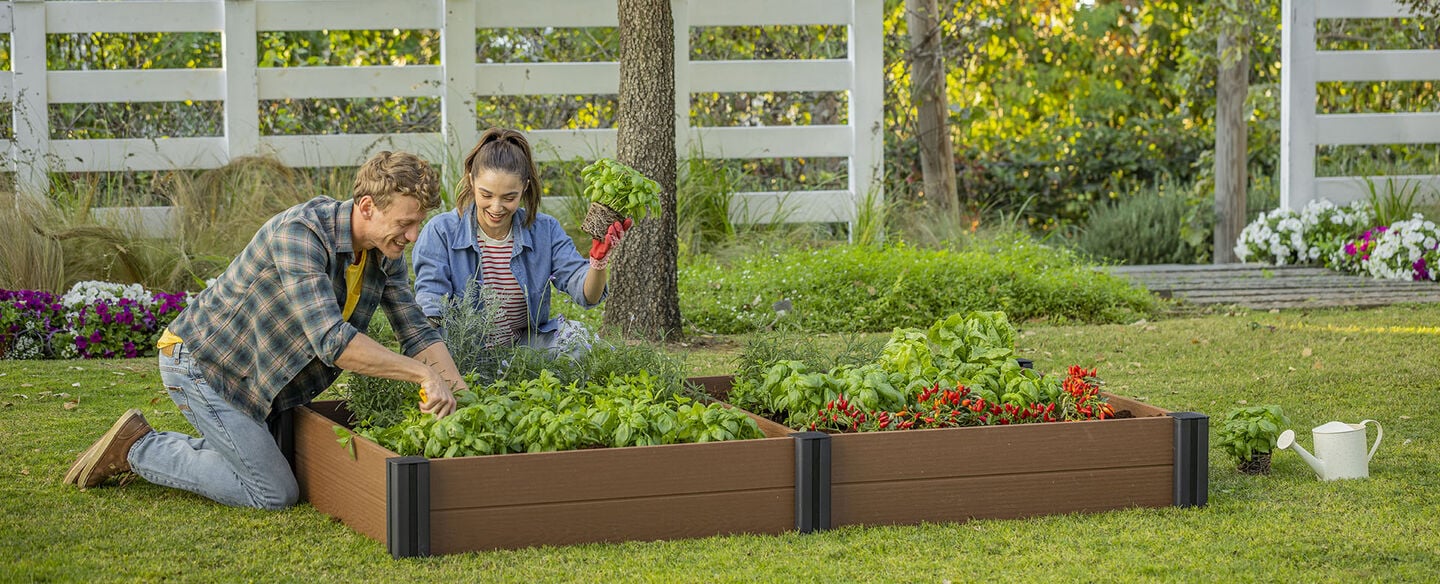
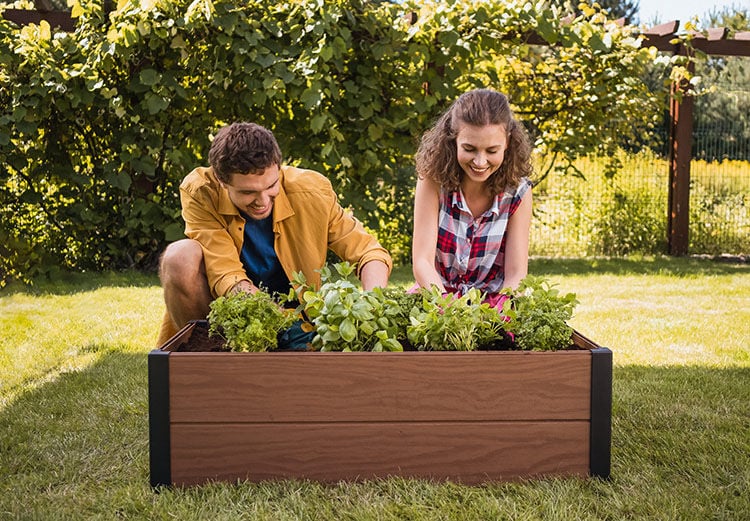
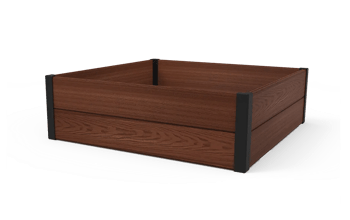
Keter’s raised garden beds are planting spaces that lift soil and plants off the ground. Unlike traditional garden beds that sit directly on the soil, these have an open bottom and are often made from durable resin or plastic. This makes them perfect for yards.

Pros of Keter Raised Garden Beds
- Durable resin construction: Won’t rot, warp or fade over time.
- Portable: Can be moved more easily than in-ground beds
- Fewer weeds: Being off the ground limits unwanted plants.
- Works well in yards with room for planting: Ideal for yards where you have room for planting.
Cons of Keter Raised Garden Beds
- Limited root depth: Not ideal for crops that need very deep soil.
- Soil dries faster: May require more frequent watering.
- Smaller footprint than in-ground beds: Less soil volume for large crops.

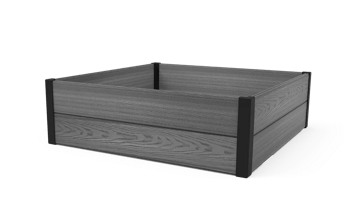

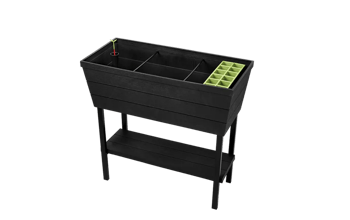

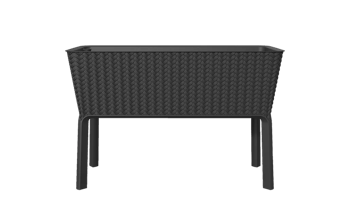

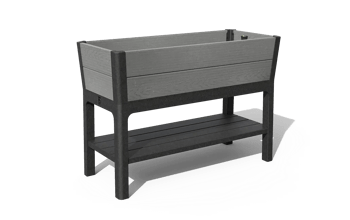

These raised garden beds are great for anyone looking to garden without the maintenance of wood or metal.
What Is a Planter Box?
Next, let’s talk more about planter boxes. They are a fully contained growing space with a solid bottom and built-in sophisticated drainage system. Unlike raised garden beds, it doesn’t sit directly on the soil, which makes it perfect for patios, decks, balconies or any hard surface. Many modern planter boxes are made from durable plastic or resin, which means they won’t rot, stay low-maintenance and can handle all kinds of weather.
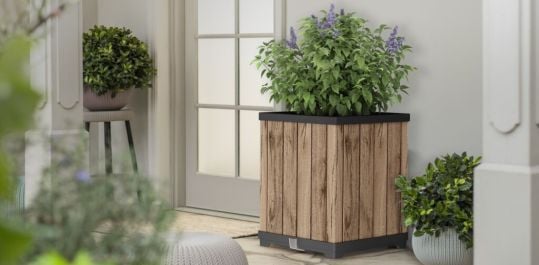

Pros of Planter Boxes
- Portable: Easy to move around your patio or deck to chase sunshine or refresh your space.
- Works on hard surfaces: Can sit comfortably on concrete, pavers or wood without digging.
- Fewer weeds: Being raised and contained limits weeds from sneaking in.
- Easy soil control: You choose exactly what soil mix you use, no guesswork.
- Durable materials: Resin and plastic planters are built to handle all types of weather.
- Low maintenance: No rotting or heavy upkeep like wood planters can have.
Cons of Planter Boxes
- Soil dries faster: The smaller soil volume can mean watering more often.
- May need regular attention: Especially in hot, sunny spots where soil dries out quicker.
Planter boxes are a smart choice for anyone with limited outdoor space, concrete surfaces or who wants a flexible, low-maintenance gardening option.
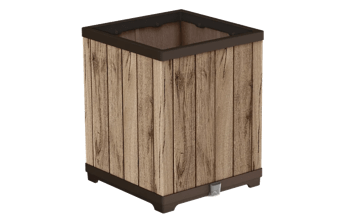

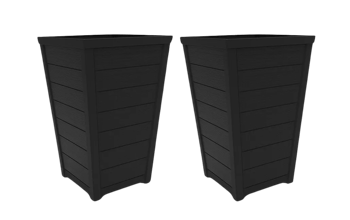

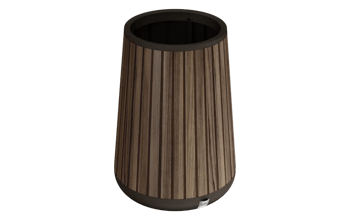

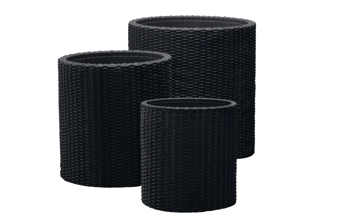

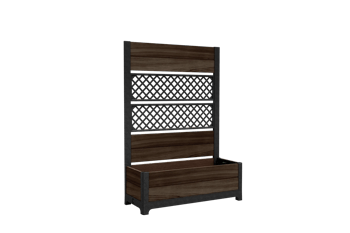

Why Modern Resin Planter Boxes Are Different
Modern resin planter boxes are a little different from the traditional wooden or metal planters most people imagine. They’re weather-resistant, so there’s no warping, rusting, rotting or splintering to worry about. That makes it easy to keep outdoors all year without a lot of upkeep.
Most of these boxes, like Keter’s outdoor planter box options, come with built-in drainage systems. That keeps soil healthy and helps prevent overwatering. They’re lightweight enough to move around if you want to chase the sun or rearrange your patio, but still strong enough to hold plenty of soil, flowers and greenery.
Container Gardening vs. Raised Beds: Which Is Better?
Trying to figure out if container gardening is better than a raised bed? It really depends on your space and what you want to grow. Planting directly in the ground is the cheapest option and works well if your soil is already healthy. Raised garden beds are great for improving soil quality and making gardening less difficult on your body.
Planter boxes, on the other hand, are perfect when you want control and flexibility. Soil, nutrients and water stay right where you need them, and you can move the boxes around to catch sunlight or refresh your space. They’re especially handy on patios, decks or any hard surface where in-ground planting isn’t possible.
For modern patios, decks and smaller spaces, durable resin planter systems tend to offer the best balance of control and convenience, keeping plants happy while making gardening simple and low-maintenance.
What Are the Disadvantages of Raised Garden Beds?
Raised garden beds have a lot going for them, but they do come with a few drawbacks. Filling a bed with quality soil can get expensive, and setting it up takes some effort to level the ground and assemble the frame. Once installed, you can move them more easily than the in-ground beds, too which means a little more flexibility.
Wooden beds can also rot over time, especially in damp conditions, and pests like worms or burrowing critters can sneak in from below, causing unexpected problems.
For those looking for a lower-maintenance alternative, modern resin planter boxes avoid many of these issues. They’re durable, won’t rot or warp, and can even be moved to catch the sun or rearranged for a fresh look.
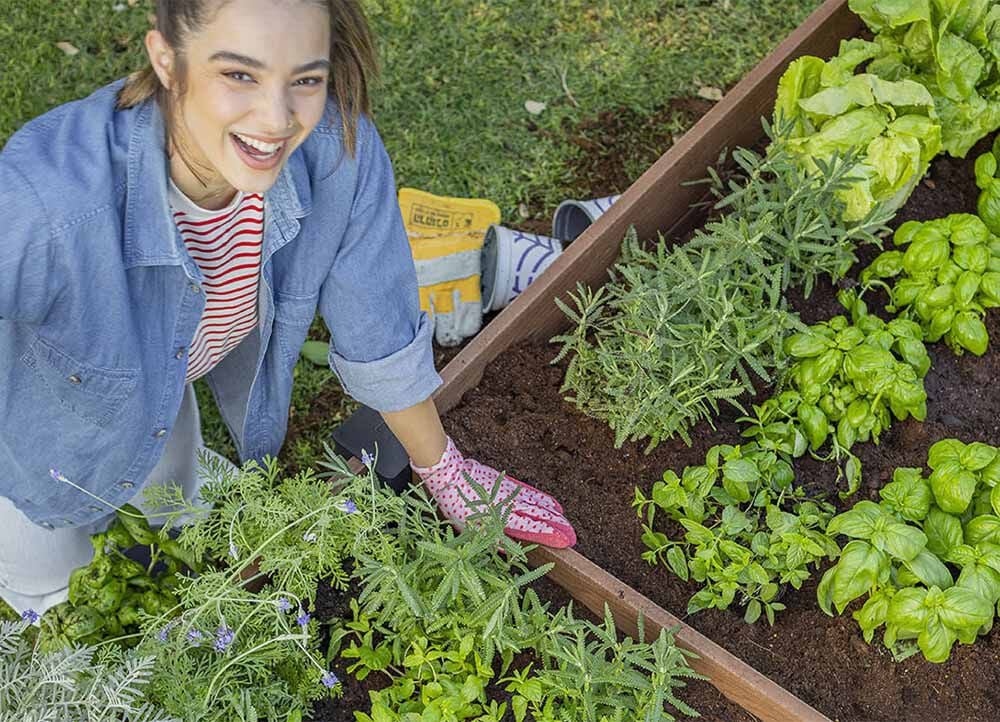

How to Fill a Raised Garden Bed
Filling a raised garden bed is easier than it sounds, and a little planning goes a long way. Start with a base layer, something like shredded leaves, straw or other organic matter can help with drainage and soil health. Next, add a high-quality soil mix (60% topsoil, 30% compost and 10% potting mix or perlite, is a great mix) that will support strong root growth.
No matter if you choose a raised garden bed or planter box, if you want low-maintenance, weather-resistance and a modern look, resin is the way to go. Resin planters and garden beds from Keter offer the best balance of convenience, durability and style, making gardening easy and enjoyable no matter the space.
Explore Keter’s planter boxes and raised garden beds to find options designed for long-term durability and simple setup, so plants thrive and your outdoor space looks great.
Frequently Asked Questions
Garden Beds vs Planer Boxes
Can you put a raised garden bed on concrete?
Do raised beds need drainage holes?
What do you fill the bottom of a raised bed with?




We build in a sustainable manner.
We use innovative materials and leading technologies to build planet-friendly products that last a lifetime.