
How Much Soil Do You Need for a Raised Garden Bed?
TL;DR: Have you ever stared at a new raised garden bed and wondered, “How much soil do I actually need?” Figuring out how much soil you need for a raised garden bed really comes down to size, depth and what you’re planting. Too little soil can limit root growth and plant health, while too much just adds unnecessary cost, so getting the balance right makes a big difference. The process is simple once you know the formula: length times width times depth. From there, choosing the right soil mix is just as important, with a blend of topsoil, compost and something lightweight like perlite helping create the right structure. Whether you buy bagged soil or go with bulk delivery, the goal is the same: give your plants enough depth, nutrients and drainage to grow well from the start.
In this blog, we’ll break it down step by step: how to figure out exactly how much soil your raised garden bed needs, what types of soil work best and even ways to save money while filling your bed. By the end, we hope you’ll feel confident about measuring, mixing and filling your garden, no guessing required.
Why Soil Quality and Depth Matter for Your Raised Bed
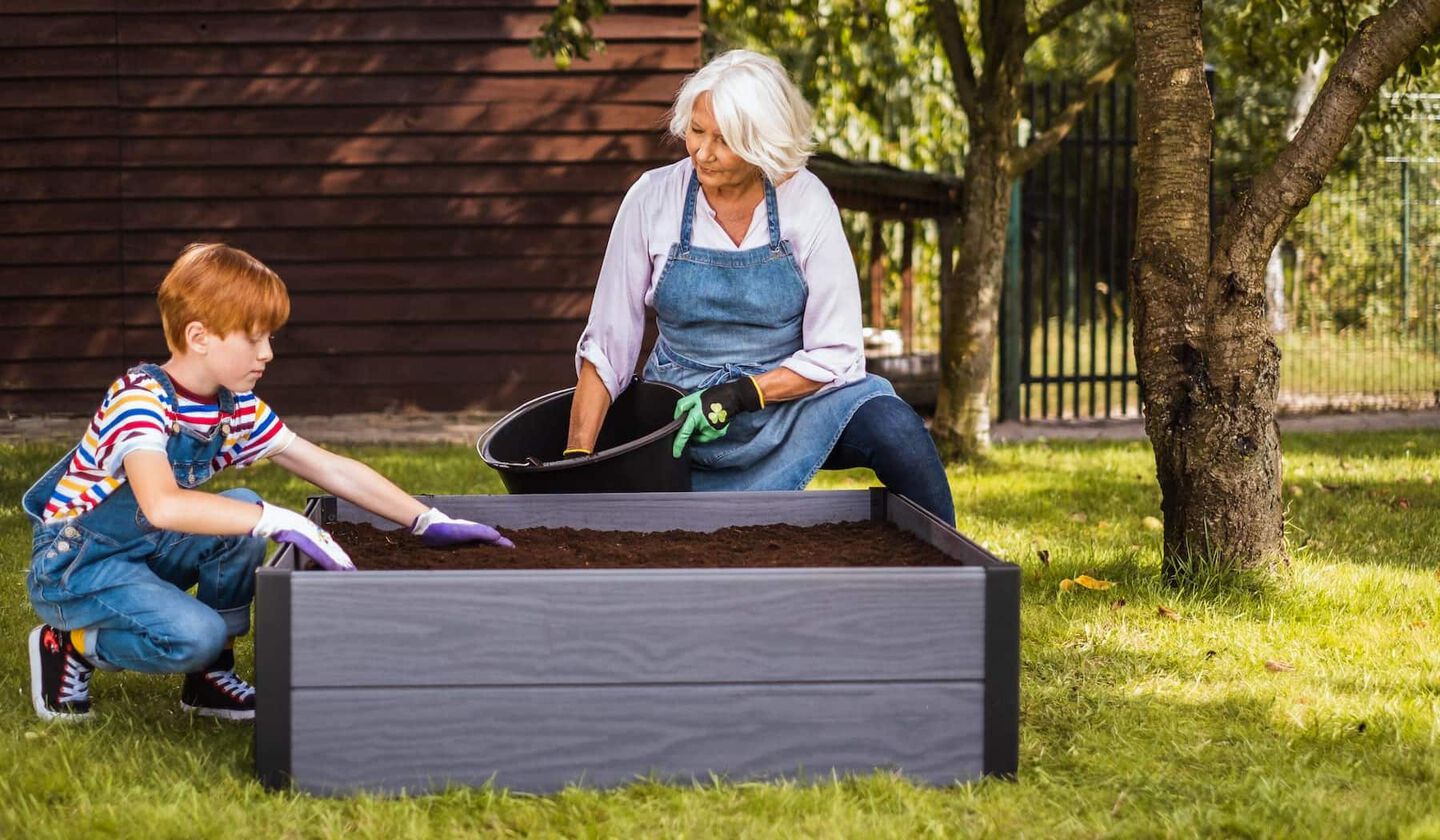
Raised garden beds give you full control over the soil. This means that plants can grow in a medium that’s just right for them. Unlike planting directly in the ground, a raised bed lets gardeners create soil with the perfect mix of nutrients, drainage and texture. This makes it easier to grow plants and flowers that are healthy and productive.
Using too little soil or the wrong type can cause real problems. Shallow or compacted soil can stunt roots, leave plants nutrient-deficient or hold too much water. This can sadly lead to root rot. Even small mistakes in depth or soil quality can affect plant growth more than expected.
How to Calculate Soil for Your Raised Bed
Figuring out how much soil a raised garden bed needs is easier than it sounds. The key is a simple formula:
Length × Width × Depth = cubic feet of soil
First, make sure all measurements are in the same unit, usually feet. If your depth is in inches, divide by 12 to convert it to feet before multiplying.
This formula works for rectangular beds, but it can also be adapted for round or L-shaped beds. A quick online soil calculator can make things even easier, letting gardeners see exactly how many bags or cubic yards of soil will fill their bed without overbuying or running short. Using this approach ensures every raised bed gets the right amount of soil to support healthy plants from root to leaf.
The Best Garden Soil for Raised Beds
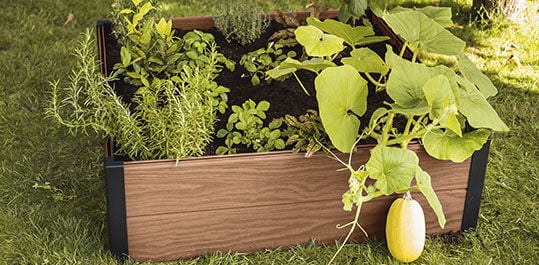

So, what’s the best garden soil for raised beds? Using soil straight from the yard might seem like a good idea, but it isn’t enough for a raised garden bed. Backyard soil can be too dense, hold water in the wrong places or lack the nutrients plants need to thrive. For plants, a lighter, well-balanced mix gives roots room to grow, holds just the right amount of moisture and provides the nutrients that plants need to flourish.
A tried-and-true mix for raised garden beds is 60% topsoil, 30% compost and 10% potting mix or perlite. Topsoil provides bulk and minerals, compost adds nutrients and improves texture, and the potting mix or perlite keeps the soil airy for healthy roots and proper drainage. For gardeners looking for a simpler option, a 50/50 blend of topsoil and compost can also work well while keeping things straightforward.
Using this type of soil creates the foundation for strong, healthy plants.
Buying Soil: Bulk vs. Bagged Options
When it comes to buying soil for raised garden beds, there are a couple of options, and each has its advantages. Bagged soil is convenient and easy to find at most stores. It often comes in specialized mixes designed for flowers or raised beds. So, it’s ready to use right out of the bag. The downside is that it can get expensive quickly, especially for larger beds.
Bulk soil is usually more cost-effective for bigger projects. Ordering a cubic yard or more from a local supplier can save money and reduce trips to the store. The key is checking the quality to make sure the soil is screened, free of debris and comes from a reliable source. A quick conversation with your supplier can help ensure it’s a mix that will support healthy plants.
As a general guideline, if a bed requires more than about one cubic yard of soil, bulk delivery is often the better option. For smaller beds, bagged soil works perfectly. Using the right amount of quality raised garden bed soil makes filling the bed easier and gives plants a strong start, whether it comes bagged or delivered in bulk.
Common Mistakes to Avoid
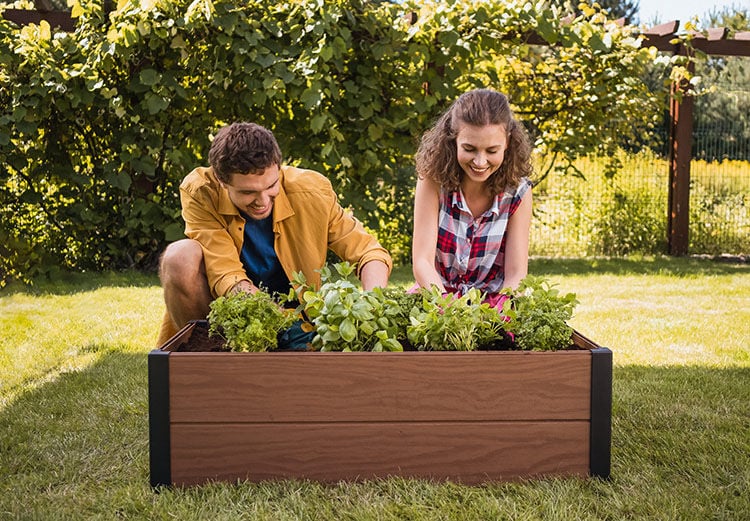

Filling a raised garden bed might seem simple, but a few small mistakes can make a big difference for your plants.
- Using only garden soil can make it dense and hard for roots to spread, while water may sit in the wrong spots. Mixing in compost and a bit of potting mix or perlite keeps the soil light, airy and full of nutrients.
- Skipping a weed barrier at the bottom is another common problem. Weeds can creep in and compete with plants and flowers, even if the soil on top is perfect. Soil also settles over time, usually 10–20%, so it helps to slightly overfill the bed at first.
- It’s important to avoid treated wood or fillers that could add chemicals, and loosening the ground underneath can improve drainage.
Doing these little things makes sure the raised garden bed soil stays healthy and gives plants plenty of room to grow strong and productive.
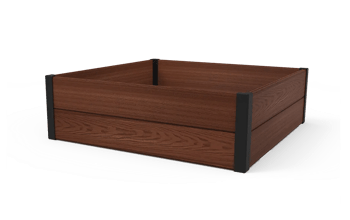
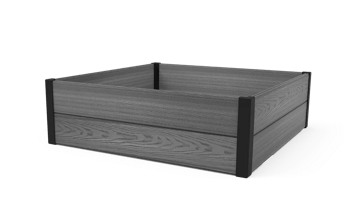
Getting the right amount of soil for a raised garden bed doesn’t have to be confusing. Taking these steps gives every plant the space, nutrients and drainage it needs to thrive. With the right soil and a sturdy Keter raised garden bed, it’s easy to create a productive garden that’s simple to maintain and full of healthy plants.
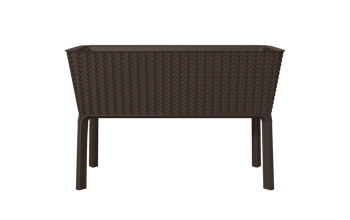
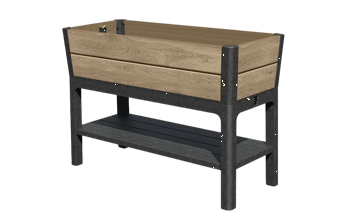
Ready to get planting? Browse Keter durable resin raised garden beds to find the perfect size and style for your space. Once it's filled and ready, explore how to utilize raised garden beds and planters in your yard for creative ideas on layouts, vertical growing and seasonal crops.
Want to get your soil measurements right the first time without the guesswork? We've created a simple, step-by-step guide to walk you through exactly how much soil your raised garden bed needs.
Whether you’re filling one small bed or designing a full garden layout, it helps you avoid overbuying, reduce waste, and ensure your plants have the proper soil depth to grow strong and healthy.
Download the Raised Garden Bed Soil Guide and keep it on hand while you plan, shop, and build.
Frequently Asked Questions
Soil and Raised Garden Beds
How many bags of soil do you need to fill a 4x8 raised bed?
Can tomatoes grow in 10 inches of soil?
How much does a 40 lb bag of soil cover?
Can you grow vegetables in 6 inches of soil?
What is the 70/30 rule in gardening?









We build in a sustainable manner.
We use innovative materials and leading technologies to build planet-friendly products that last a lifetime.