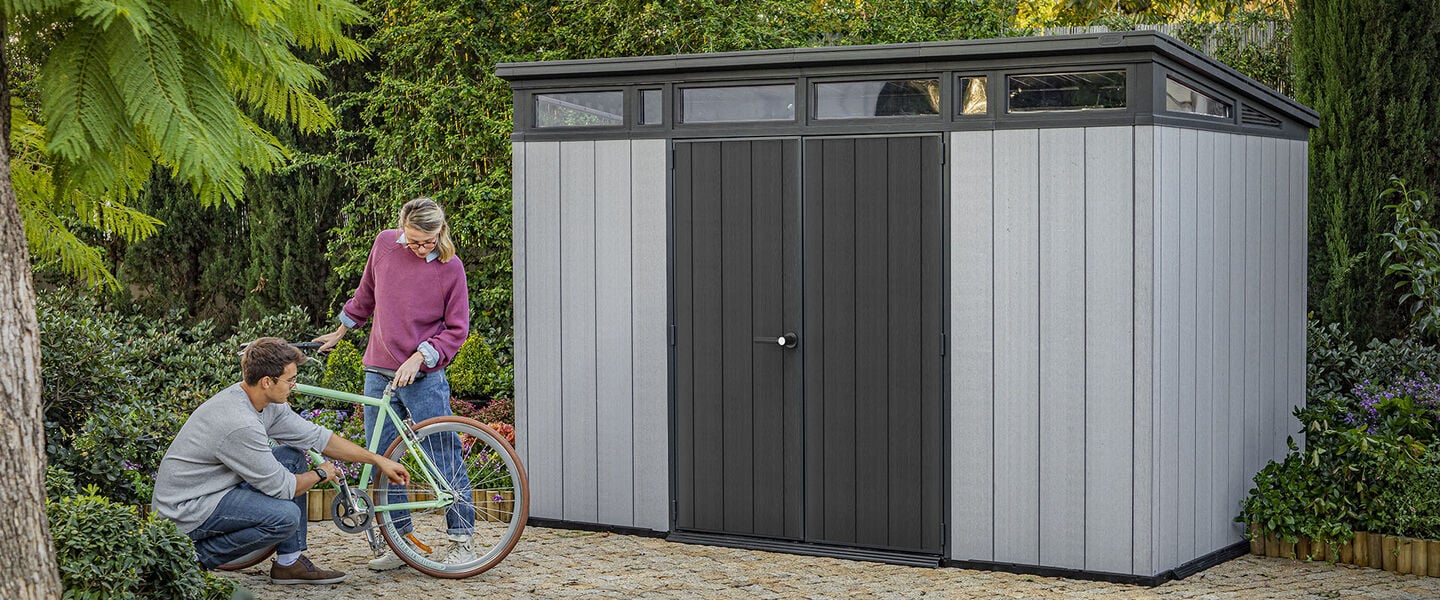

Does a Shed Increase Your Home Value?
TLDR: Yes, in most cases a shed can add value to your home. But it's not automatic. How much value depends on a few things: Quality matters more than size. A shed that's solid and well-kept reads as an asset. One that's falling apart reads as a liability. Buyers care about storage. Extra space for tools, bikes and seasonal gear is a genuine selling point in most markets. Local rules play a role. Permits, zoning and HOA guidelines can affect whether your shed works in your favor. Keep reading for the full breakdown of the pros, the cons and what actually makes a shed worth the investment.
Everyone wants to get more value out of their home, and it turns out your backyard might be part of the equation. One question that comes up again and again: does a shed actually increase your home's value?
Yes, in most cases, but it depends on quality, placement and a few other factors. Curious how it all breaks down? Here are the real pros and cons of adding a shed to your yard, plus what actually moves the needle on resale value.
Pros of Having a Shed
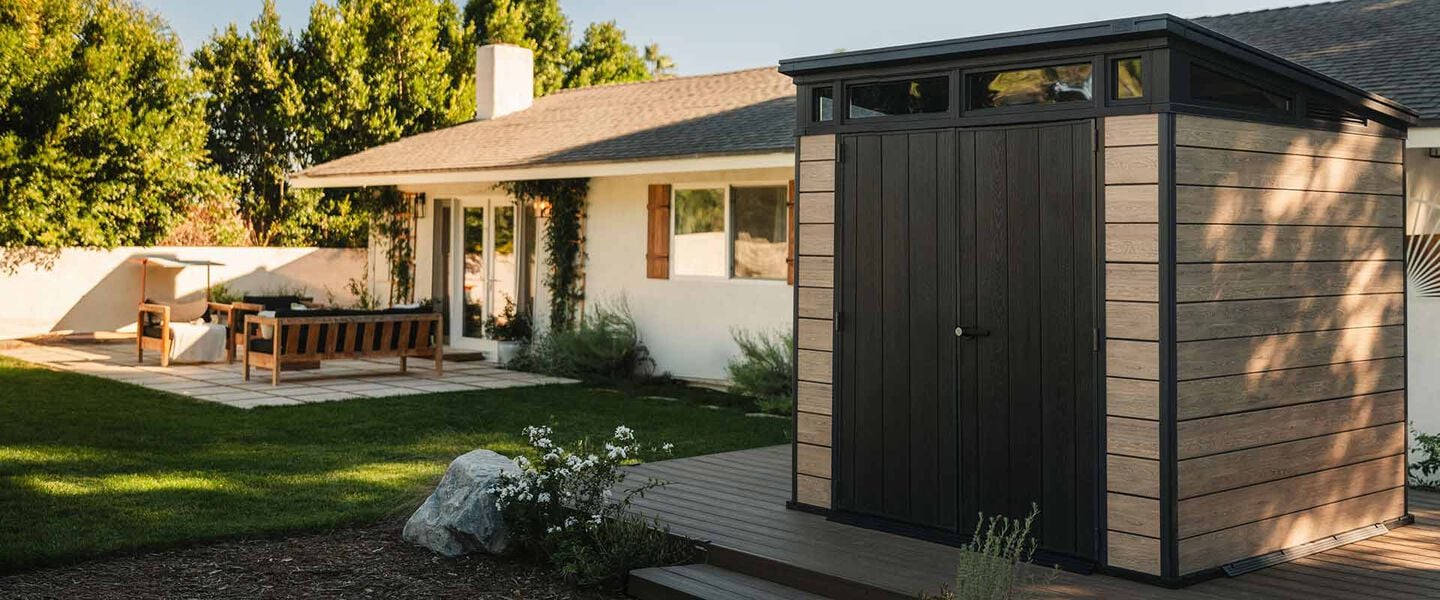

Adding a shed comes with plenty of upside, but three benefits really stand out when you're thinking about your home's value.
1. No More Paying for Storage Units
Having a shed means you can stop paying for an off-site storage unit. That's real money back in your pocket every month, and it's easy to use that for projects that add even more value, like a kitchen backsplash or new flooring.
It's also just way more convenient. No driving across town, no limited access hours, no digging through a storage locker to find one box. Everything you own lives right in your backyard, ready when you need it.
2. A Tidier Home for Showings
A shed gives clutter somewhere to go, and that alone can boost your curb appeal. A tidy, organized house shows better, photographs better and is a lot easier to stage if you ever decide to sell. If you're wondering whether a shed adds value to a home at resale time, a clutter-free house is a big part of the answer.
3. More Organization, More Space
Tools, holiday decorations, lawn equipment, bikes: it all needs a home, and a shed gives it one. Instead of crowding your garage or closets, everything gets its own spot, which makes it faster to find what you need and easier to keep the rest of your house clear.
A well-organized shed also opens up your outdoor space. Once the rakes and hoses are put away, your patio or side yard stops feeling like overflow storage and starts feeling like an actual living space you can use.


Out of stock
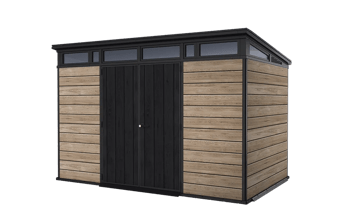
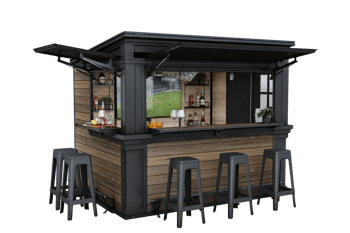
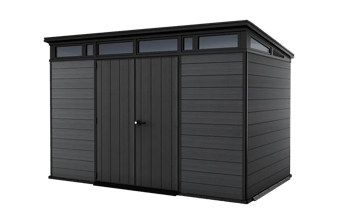
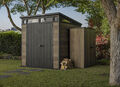
Signature 11x7 Storage Shed - Ashwood Brown

Price from $2,074.99 to $1,556.24
Free Shipping
Price from $2,074.99 to $1,556.24
Free Shipping


Cons of Having a Storage Shed for the Backyard
The pros are real, but so are the trade-offs. Here's what to think about before you add a shed to your yard.
Potential Space Constraints in Smaller Yards
If your yard is already tight on space, a shed can eat into it fast. The wrong size or style can overwhelm a small backyard instead of blending into it, so it's worth measuring your space and picturing the shed in it before you buy.
Maintenance Requirements
Sheds hold up fine on their own ... until they don't. Like anything left outside year-round, they need some upkeep: checking for wear, keeping the structure sound, dealing with whatever the weather throws at it. Skip that maintenance, and a shed can go from asset to eyesore pretty quickly.
Zoning and Building Regulations
Before you buy a shed, you need to check zoning and building regulations. Most areas have rules around placement, size and sometimes even design. Skipping that step can mean fines or having to move (or remove) your shed later. It's an extra step, but a quick call to your local building department can save you a real headache.
Addressing the Cons of a Shed
The good news is that most of these cons can be fixed by picking the right shed, not avoiding a shed altogether.
Style and size top the list. Keter sheds come in a range of colors and finishes that blend into your yard instead of sticking out, with options running from small sheds to large backyard sheds. So, there's a fit whether you've got a tight side yard or a wide-open lot.
Maintenance issues get solved, too. Keter sheds are built from durable resin that won't crack, rot, rust or peel, which means no repainting, no patching and no weekend maintenance projects. Choose well, and most of the cons on that list stop applying to you.
The Shed as a Contributing Factor to Overall Home Value


In most cases, yes. Real estate agents often treat a well-built shed, or outbuilding if you want the broader term, as a genuine value-add rather than just a backyard extra. The catch is that "well-built" is doing a lot of the work in that sentence: a shed that's sturdy, well-kept and sized right for your yard can meaningfully increase your home's value, while one that's the wrong fit can just as easily work against you.
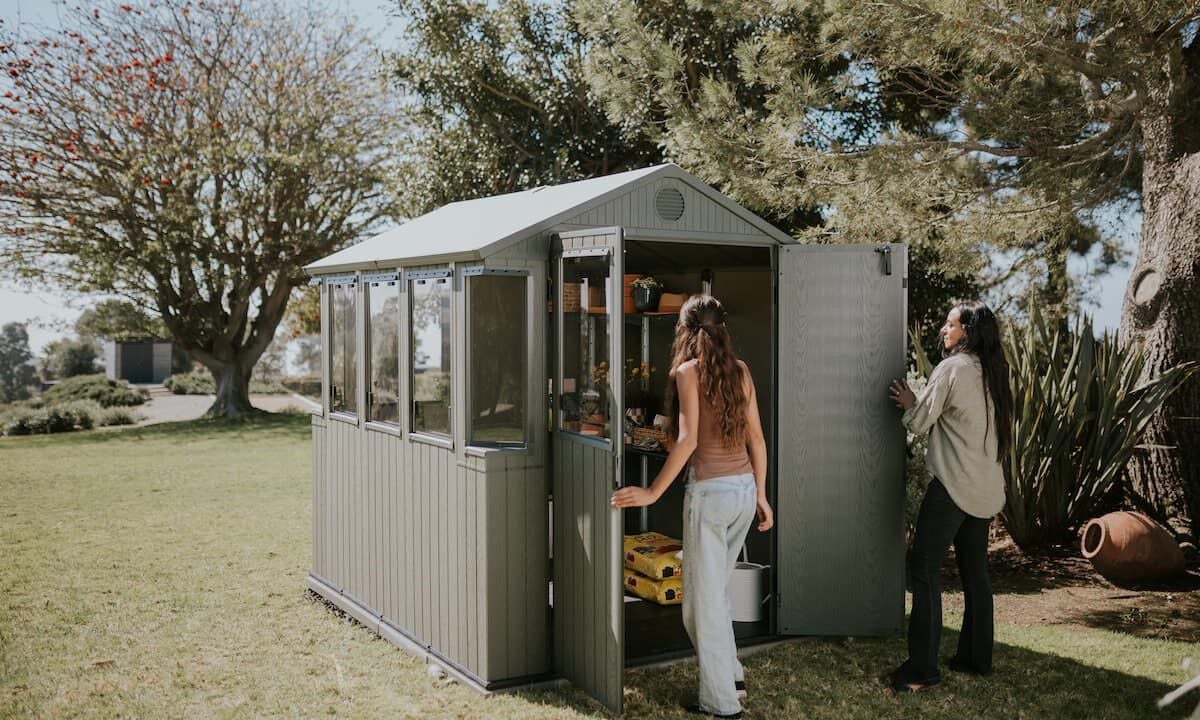

Storage is the biggest reason buyers respond to a shed at all. Anyone who needs room for bikes, tools, holiday decorations or lawn equipment sees a shed as square footage they didn't have to build themselves. That's a big part of why sheds add value to a home in the first place. Not every buyer weighs storage heavily, but for the ones who do, a good shed can be the difference between your house and the one down the street.
A shed also can give a first impression of the whole property. One that's clean and sturdy can signal a homeowner who takes care of things, and that impression carries over to how buyers judge the rest of the house, too! A shed that's leaning, faded or full of junk does the opposite, and can quietly chip away at your property's value instead of adding to it.

A Quick Word on Home Value
A shed won't be something every buyer wants, and that's worth keeping in mind. Some people love the extra storage, and others don't care about a shed one way or another, and a few might even see it as one more thing to maintain. What a shed is worth also shifts depending on where you live: it might be a big draw in one neighborhood and barely register in another. Real estate markets move too, so there's no fixed number you can count on for how much value a shed adds.
None of that makes a shed a bad investment. It just means you shouldn't buy one purely as a value play. Get a shed you'll actually use, in a size and style that fits your yard, and any bump in home value is a bonus on top of a space you're already getting good use out of.
Ready to Add a Shed to Your Yard?
However much value a shed adds to your home, you get the benefit of it every day you own it. This means more storage, a tidier house and a backyard that finally works for you instead of against you.
If you're ready to start looking, Keter sheds come in a range of sizes and styles, built from durable, low-maintenance resin that holds up outside for years. Whatever size yard you're working with, there's a good chance one of them fits it.
FAQs
Still have questions about sheds and home value? Here are the ones we hear most often.
Sheds and Home Value
Do Sheds Increase Property Value?
How Much Value Does a Shed Add to a Home?
Does the Size of a Shed Affect Home Value?
Do I Need a Permit for a Shed to Add Value?
Do Outbuildings Increase Property Value the Same Way Sheds Do?





We build in a sustainable manner.
We use innovative materials and leading technologies to build planet-friendly products that last a lifetime.

