
Is Adding a Shed Worth the Cost? Shed Prices, Installation and 10-Year Value
TL;DR: Most homeowners spend around $3,500 on a shed, but the price tag is only part of the picture. You’ll also want to plan for installation, a level base, possible permit fees and upkeep over the years. Wood sheds need resealing every two to three years, while resin sheds don’t need any refinishing at all. Over 10 years, that makes resin the better value. If you’re short on storage, a shed is absolutely worth it!
Have you been eyeing a shed but wondering if it’s really worth the money? It’s a fair question! Sheds aren’t a small purchase, and it can be hard to tell what you’re actually paying for.
The good news is that a shed can make a big difference in how you use your yard and garage. In this post, we’ll go over the benefits, what sheds cost and what it takes to keep one in good shape for years to come. By the end, you’ll know if a shed is the right move for you.
Benefits of Adding a Shed
A shed gives your stuff a home. That sounds simple, but it can change a lot about how your house and yard feel day to day. Here are a few of the biggest reasons people add one.
Tame the Clutter
Lawn mowers, rakes, kids’ bikes, pool toys, holiday decorations ... it adds up fast! When all of that has a dedicated spot outside, you’ll spend less time tripping over it and more time actually enjoying your space.
Free Up Your Garage
Is your garage so full you can’t park in it? You’re definitely not the only one. Moving your yard tools and seasonal gear out to a shed can clear enough room to get your car back inside (especially nice when winter rolls around).


Get Organized
Once your outdoor gear is in one place, it’s so much easier to keep it that way. Add a few shelves and hooks for gardening supplies and bikes, plus a spot for bins, and you’ll always know where to find the hose nozzle or the bag of potting soil. It makes yard work feel a lot less like a scavenger hunt.
Make Room for Hobbies
A shed doesn’t have to be just for storage. Lots of people set aside a corner for woodworking, crafting or repotting plants. With a little planning and the right shelving, you can keep your tools within reach and leave a project out without anyone moving it. (That alone might be worth the price!)
Boost Your Curb Appeal
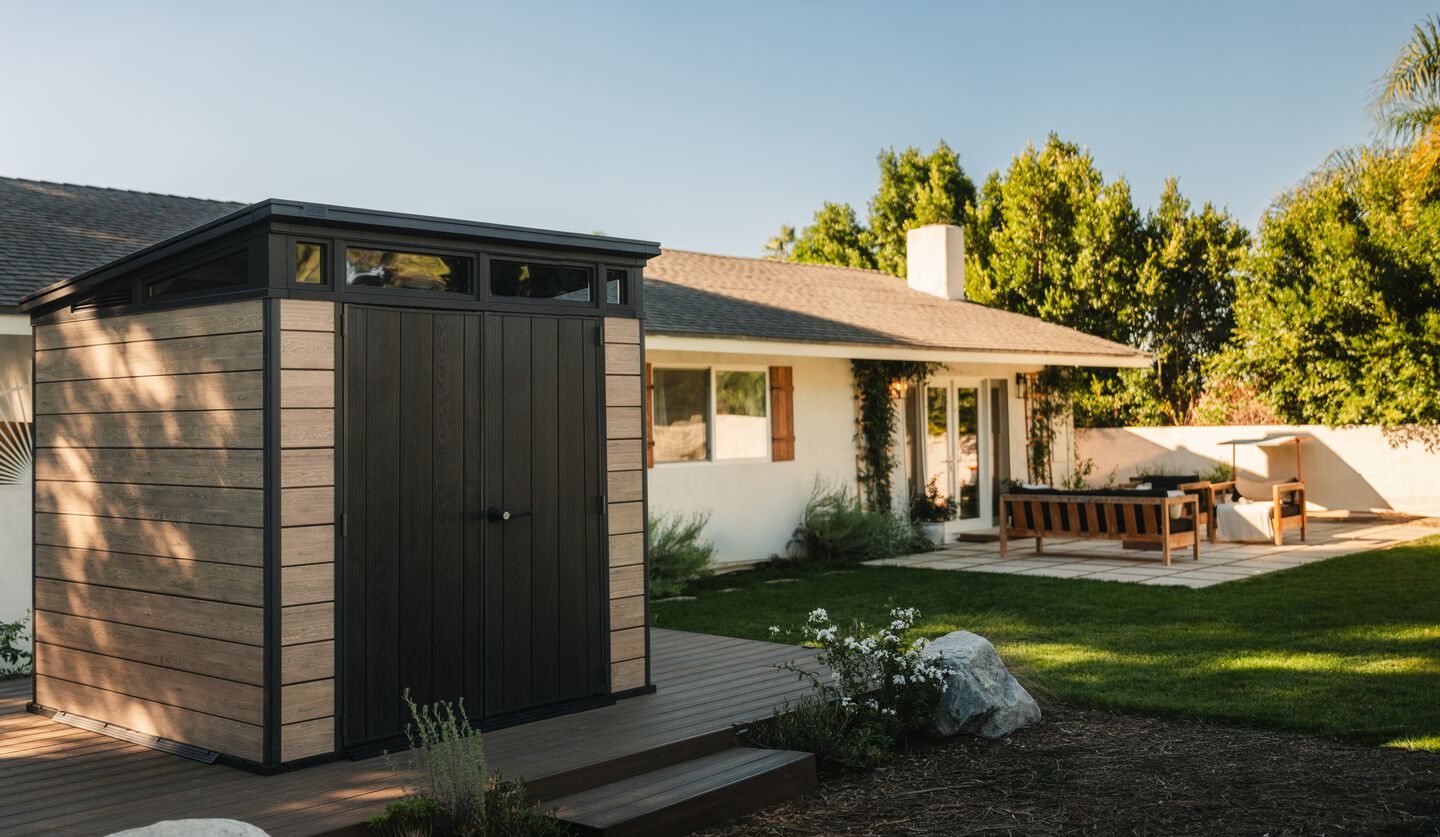
A nice-looking shed can make your whole yard feel more finished. Choose one that goes with your home’s colors and style, and it’ll look like it was always meant to be there.





Does a Shed Add Value to Your Home?
If you’re spending a few thousand dollars on a shed, it’s really natural to wonder if you’ll get some of that back when you sell. A standard shed usually won’t do much for your home’s appraised value. It’s still worth knowing why, and where a shed can help.
Part of it really comes down to how appraisals work. Sheds can count as accessory structures, so they aren’t included in your home’s finished square footage. Many appraisers give a shed little or no value, especially one that sits on a simple base instead of a permanent foundation.
Where a Shed Helps When You Sell
A shed won’t move the appraisal much, but it can still make your home easier to sell. More storage space shows up again and again on homeowners’ must-have lists. If your house has a small garage or not much closet space, a shed fills that gap. Buyers walking through can see right away where their mower, bikes and patio cushions would go.
It also helps your home show better. With yard gear tucked away, your garage looks roomier and your backyard looks tidier in listing photos. (A clean garage is a selling point on its own!)
Keep Your Shed in Good Shape
Condition matters a lot here, too. A shed with sagging doors, rotting boards or peeling paint can turn buyers off, and it may make them wonder what else hasn’t been kept up. Pick a shed that goes with your home’s style and colors. Before showings, clear it out and add a few shelves so buyers can picture using the space.
Low-maintenance materials help here too. A resin shed won’t rot or need repainting, so it can still look good years from now when you’re ready to list. If you’d like more detail, we’ve covered whether a shed increases your home value in its own post.
Buy your shed for how much easier it makes life right now. If it helps your home sell faster later on, that’s a really nice bonus!


How Much Does a Shed Cost?
So, how much are sheds, really? Shed pricing depends on size, material and whether you put it together yourself or hire someone. On average, homeowners spend about $3,500, and simple prefab sheds start around $1,375. It really depends, though.
Bigger sheds and custom features (like windows, electrical or insulation) will push the price up, so it helps to know what you really need before you start shopping.
Shed Installation Cost
Don’t forget to budget for getting your shed set up! If you’d rather hire help, a handyperson usually charges somewhere between $60 and $125 an hour to put together a prefab shed.
You’ll also need a flat, level spot for your shed. Some cities require a concrete slab or a permit (which can run $100 or more), so it’s a good idea to check your local rules and HOA guidelines before you buy.
Cost to Build a Shed vs. Buying a Kit
Building a shed from scratch might sound like the budget-friendly option, but that’s not always the case. If you’re building a custom shed you have to spend a lot of time planning/building, you might need new tools, you will need materials, you may need to hire an expert, and let’s not forget about all the trips you take to the home improvement store over and over. A kit saves you money because it’s all included in the kit, and it saves you a whole lot of weekends, too. This can vary a bit if you already have all the tools, experience, and materials to build a custom shed. Overall, a kit is a lot easier since you only need the kit and basic tools.
The 10-Year Cost of Owning a Shed
So, the cheapest shed today isn’t always the cheapest shed down the road, too. Upkeep costs add up, and some materials need a lot more of it than others.
Wood sheds look great, but they take work. To keep one in good shape, you’ll need to check for damaged boards, reseal every two to three years and repaint when the finish starts to fade. Over 10 years, that’s three to five rounds of resealing, plus supplies and your time.
Resin sheds are a different story. They resist rot and insects, and they don’t need staining, sealing or painting. Once yours is up, a quick rinse with the hose is about all it needs. When you add up a decade of ownership, resin comes out ahead. Here’s more information on popular shed material types, in case you need it for your research.

What to Know Before Buying a Shed
Before you start comparing models, take a few minutes to think through the basics. It’ll make shopping a lot easier!
- The initial cost: Size, material and design all affect the price. Set a budget first so you can narrow down your options quickly.
- Maintenance requirements: Some materials need regular care and others don’t. Think about how much time you want to spend on upkeep each year.
- Navigating local regulations: Your city or HOA may have rules about shed size and where it can go. Check if you need a permit before you buy.
Figure Out What You Need
Your own needs matter most when picking a shed. Ask yourself:
- Do I need more storage space?
- What will I keep in the shed?
- How big of a shed do I want?
- Where will it go, and how much room do I have?
- What are my organizational needs?
If you answered “yes, I need more space,” a shed is a smart buy!


Why Choose a Keter Shed?
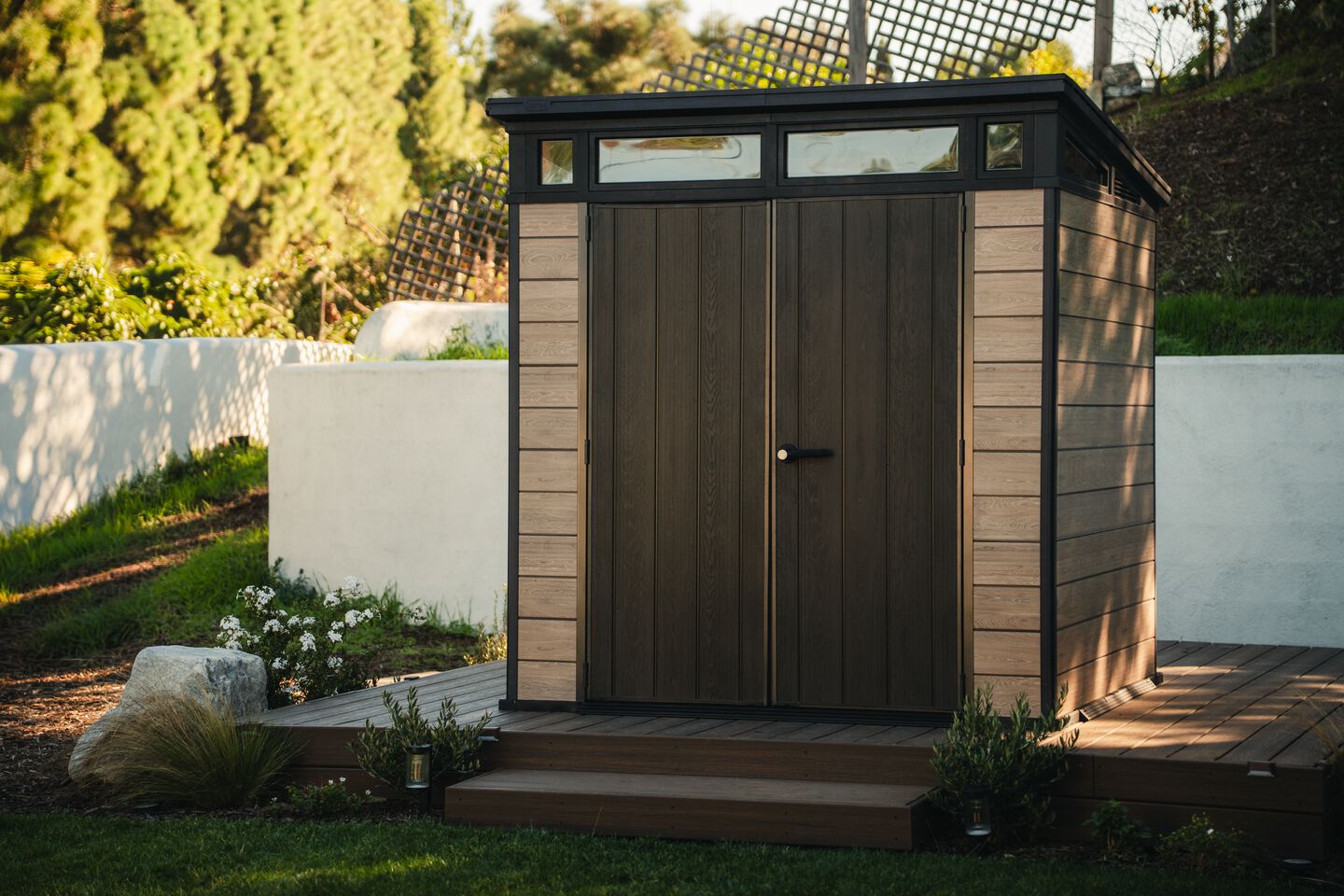
If repainting and resealing every few years doesn’t sound like fun, a resin shed might be just what you’re looking for. Keter sheds have the look of wood without the upkeep. They’re weather-resistant, UV-resistant, won’t rot and never need staining.
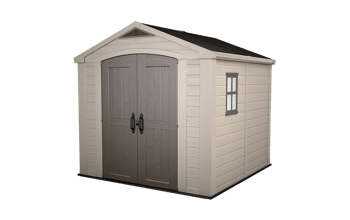
They’re also designed for easy DIY assembly, so you can skip the installation bill and have your shed up in a weekend. And with lots of sizes to choose from, there’s one for nearly every yard. A Factor 8ft x 8ft has plenty of room for lawn and garden gear, a Darwin 6ft x 8ft or Cortina 7ft x 7ft fits nicely along the side of the house, and a Stronghold 10ft x 8ft gives you space for bikes, a mower and even a small workbench.
So, Is a Shed Worth the Cost?
If you’re running out of room, a shed is well worth it. Also, if you’re selling your home, and it’s light on storage space, a shed can help sellers feel more comfortable when buying.
Just be sure to look past the sticker price and think about what it’ll cost you over the next 10 years. A low-maintenance resin shed can save you money, time and a lot of afternoons with a paintbrush. It won’t necessarily increase your home value, but it can be really nice for you, or a buyer to have.
Here’s to a tidier garage and a yard you love spending time in!
Frequently Asked Questions
Shed Cost
How much does a shed cost?
What’s the average shed installation cost?
Is it cheaper to build a shed or buy one?
What’s the cost for a storage shed?
Does a shed add value to a home?
Do I need a permit for a shed?




We build in a sustainable manner.
We use innovative materials and leading technologies to build planet-friendly products that last a lifetime.