

How To Choose the Right Shed: A Step-by-Step Guide
TL;DR: Picking the right shed means asking yourself a few important questions: what will you actually store in it (now and down the road), how much yard space you've got and what features matter most to you (double doors, ventilation, flooring, style). Resin sheds like Keter's win out over wood and metal since they won't rot, rust or need repainting. Once you've nailed down purpose, size and material, just double-check local permits and prep a flat foundation, and you're ready to go. Walk-In options range from compact 6x4 sheds for basic storage up to 10x15 builds roomy enough for a mower and a workbench.
Shopping for a storage shed can feel like a bigger project than actually building one!
What are the types of storage sheds? Should it be small, medium or huge? Where do you even put it in your yard? And how do you make sure it fits your lawnmower, your garden tools or even your dream “library shed”? Don’t worry, we’ve got you covered.
So, we’ll cover what you need to think about when building a shed. That means things like, choosing the right dimensions, picking a spot, considering budget-friendly options and deciding between a DIY outdoor shed or a kit.
By the time you finish reading, you’ll know exactly what size shed works for you, and maybe even a few tricks for making it feel like a seamless part of your backyard.
Step 1: Decide on the Purpose of Your Shed
Before choosing the right shed size, it’s really important to decide on the purpose of your storage shed. If you haven't considered what you’d like to accomplish with your garden shed, now's the perfect time to plan. So, ask yourself things like:
- Are you looking for a simple place to store garden tools and outdoor furniture?
- Or maybe you’re dreaming of a workshop where you can tackle DIY projects?
- Perhaps you need an office space away from the hustle and bustle of the house?
- Maybe a spot to store pool equipment?
Whatever your needs, understanding the purpose of your backyard shed will help you narrow down the sizes that make the most sense for you.
Step 2: Think About Your Future Storage Needs
Before you pick a shed size, it’s worth thinking a little ahead. Even if you just need a place for your lawnmower and garden tools today, what about next year? Are you planning to start a new hobby, like woodworking, crafting or building she-sheds? Maybe you’ll collect more outdoor gear, sports equipment or seasonal decorations. Choosing a slightly larger shed now can save you the hassle (and the cost) of upgrading later.
It’s also smart to think about budget-friendly options for sheds that give you room to grow. For example, a medium shed can handle your current tools and still have extra space for future projects. And don’t forget to plan for accessibility: leave room for moving things in and out easily, and think about how your outdoor shed layout will work for the items you’ll add over time.
Basically, a little forward planning goes a long way.
Step 3: Look at Your Available Yard Space
Now that you’ve thought more about what you’ll store and how much room you might need in the future, it’s time to figure out exactly where your backyard shed will go. Start by taking a good look at your yard. Is there a sunny corner that won’t block anything important? Do you have a flat area that’s easy to access, or will you need to do a little prep work?
Measuring your space is really important. You don’t want a shed that’s too big and overwhelms your backyard, or too small and leaves you wishing for more room. While you’re measuring, keep local zoning laws and property lines in mind. Questions about local regulations and rules can come up, like how far the shed needs to be from fences, neighbours or your house. Checking this before you start building saves headaches later.
Also, think about practical placement: you want easy access for your lawnmower, bikes or seasonal gear. This is especially important if you’re planning a DIY shed vs. a kit. Kits are easy to place if you’ve already mapped out the perfect spot. Planning ahead for your shed’s location ensures it fits comfortably, looks good and stays useful for years to come.
Bonus: How to Measure for Your Shed
Measuring your yard might sound simple, but a little extra care now saves a lot of headaches later. Here’s a step-by-step approach:
- Mark Your Space – Use stakes to outline the corners of your planned shed location. Run string between the stakes so you can see the boundaries clearly. This gives you a real visual of how the backyard shed will sit in your yard.
- Check for Obstacles – Look out for sprinklers, plants or uneven spots. You don’t want your shed sitting on top of anything important, and it’s better to spot potential issues now.
- Measure Twice – Grab a tape measure and double-check all dimensions. Even a small miscalculation can turn a “perfect” spot into a tight squeeze later.
- Leave Extra Room – Make sure to leave a little space around the garden shed. This gives you room to move comfortably, access doors and perform maintenance like cleaning or storing larger items like a lawnmower.
- Visualize the Shed Size – Think about how outdoor shed sizes will work for your current and future storage needs. This is a great time to consider budget-friendly options for sheds or whether a DIY shed vs. a kit will make sense for your space.
Choosing the right outdoor shed size is all about understanding your needs, accurately measuring your space and planning for the future. Whether you need a small shed for garden tools, a medium shed for a workshop or a large shed to reclaim your garage space, finding the right-sized shed will make all the difference.
Step 4: Think About Features That Fit Your Life
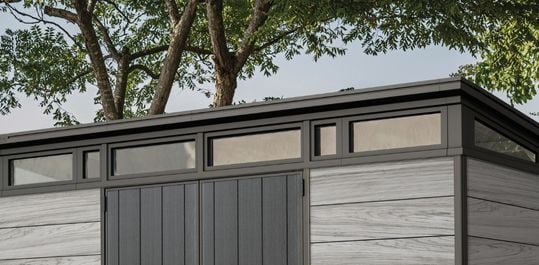

Once you know the general size range you're working with, it’s time to narrow down the details. The right features can make your backyard shed easier to use and last a lot longer. So, think about these features:
- Doors: If you’re storing large items like bikes, trash bins or lawn equipment, wide double doors are necessary. They make loading and unloading way easier.
- Windows and Light: Natural light might not seem essential, but it makes a huge difference when you’re inside the shed. Look for windows or skylights if you’ll be in there often.
- Ventilation: A good shed should have airflow to help prevent moisture buildup and musty smells, especially if you’re storing cushions or cardboard boxes.
- Flooring: If you're going to store heavy gear, make sure your shed comes with a built-in floor. All Keter sheds do, and they're strong enough to support heavy equipment without warping or cracking.
- Style: It’s going in your backyard, so pick something you won’t mind looking at every day. Keter sheds have a clean, wood-look finish and come in neutral tones that blend with most homes.
- Maintenance Needs: Also, think about how much maintenance you want to do on your shed. Certain shed types require more work than others.
Once you’ve taken these factors into consideration, you’ll need to think through the shed material.
Step 5: Consider Shed Materials
This step might seem like a no-brainer to you, as this seems like it’s about aesthetics, but it’s not. Here's a quick look at the pros and cons of shed material types.
- Wood sheds: Traditional, but high maintenance. You’ll need to paint, seal and protect it from pests and rot.
- Metal sheds: Durable, but can rust over time and heat up in the sun. It’s also less forgiving when it comes to dents.
- Resin or plastic sheds (like Keter): Wood-look and feel; tough and weather-resistant. It won’t rot, rust or peel, and you never have to repaint it. If you want a shed you can set and forget, resin is the way to go.
Take a look at our blog if you want a more in-depth look at the pros and cons of each shed material.
Step 6: Check for Shed Permits, Budget and Site Prep
Before you buy, there are a few final boxes to check to make sure your project is legal.
- Permits: Some cities or counties require permits for sheds over a certain size. Before you get too far, check your local zoning laws. It’s much easier to get it right the first time than to move or take down a shed later.
- Budget: Price often scales with size and features, but think long-term. A resin shed might cost a little more up front than a basic metal one, but you’ll save time and money on maintenance in the years ahead.
- Ground Prep: Every shed needs a flat, stable foundation.
If you want more information on shed foundations and the pros and cons of each, be sure to take a look at the guide.
Step 7: Common Shed Sizes Explained
Once you’ve taken a look at all of the factors above, it’s time to find storage shed dimensions that make sense. The tricky part? “Small,” “medium” and “large” can mean different things depending on the brand. So, instead of guessing, let’s look at actual examples from popular Keter sheds to help you picture what each size can realistically hold.


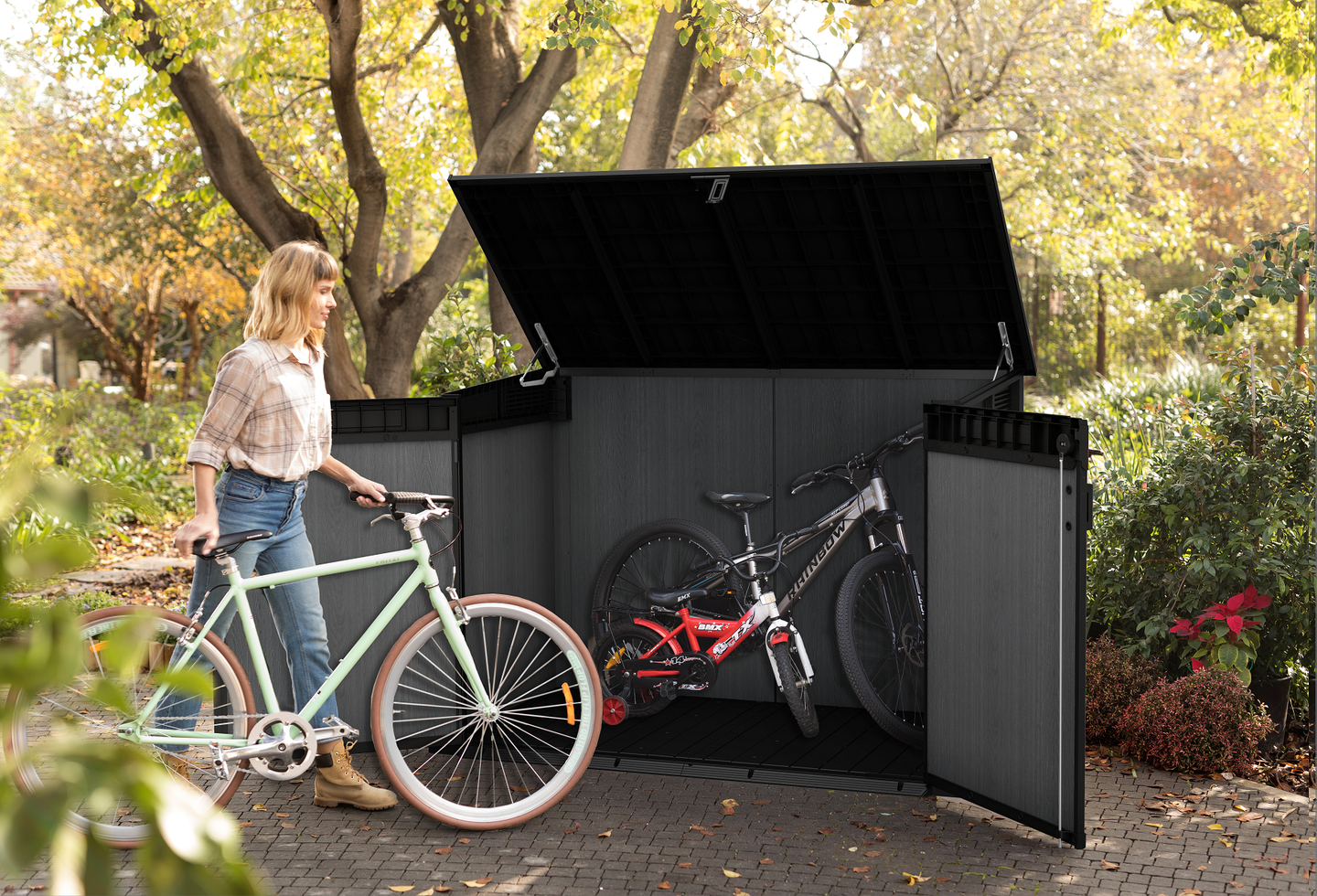

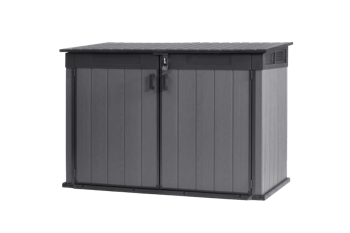
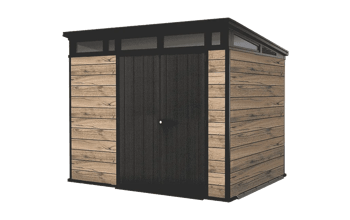
Small Shed: Cortina Mega (Approx. 6x4)
A small garden shed, like the sturdy Cortina Mega shed, is ideal for tight spaces and basic storage needs, like a small bike shed. Think lawn tools, a push mower, outdoor cushions or recycling bins. It’s compact, but still offers features like double doors and weather-resistant resin panels. Perfect for the homeowner who wants a no-fuss way to keep outdoor clutter under control.
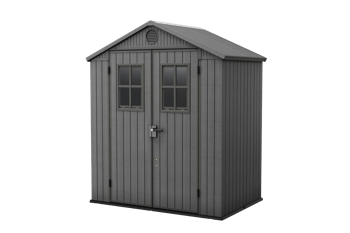


Purchase now
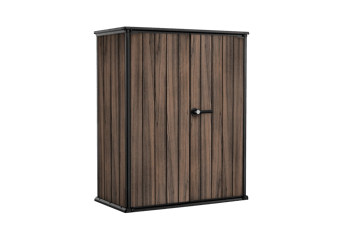
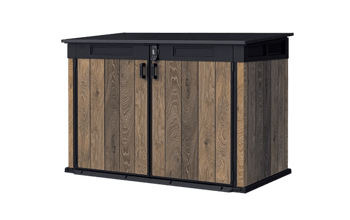
Signature Vertical Storage Shed - Rosewood Brown
CLEARANCE | Free Shipping
CLEARANCE | Free Shipping



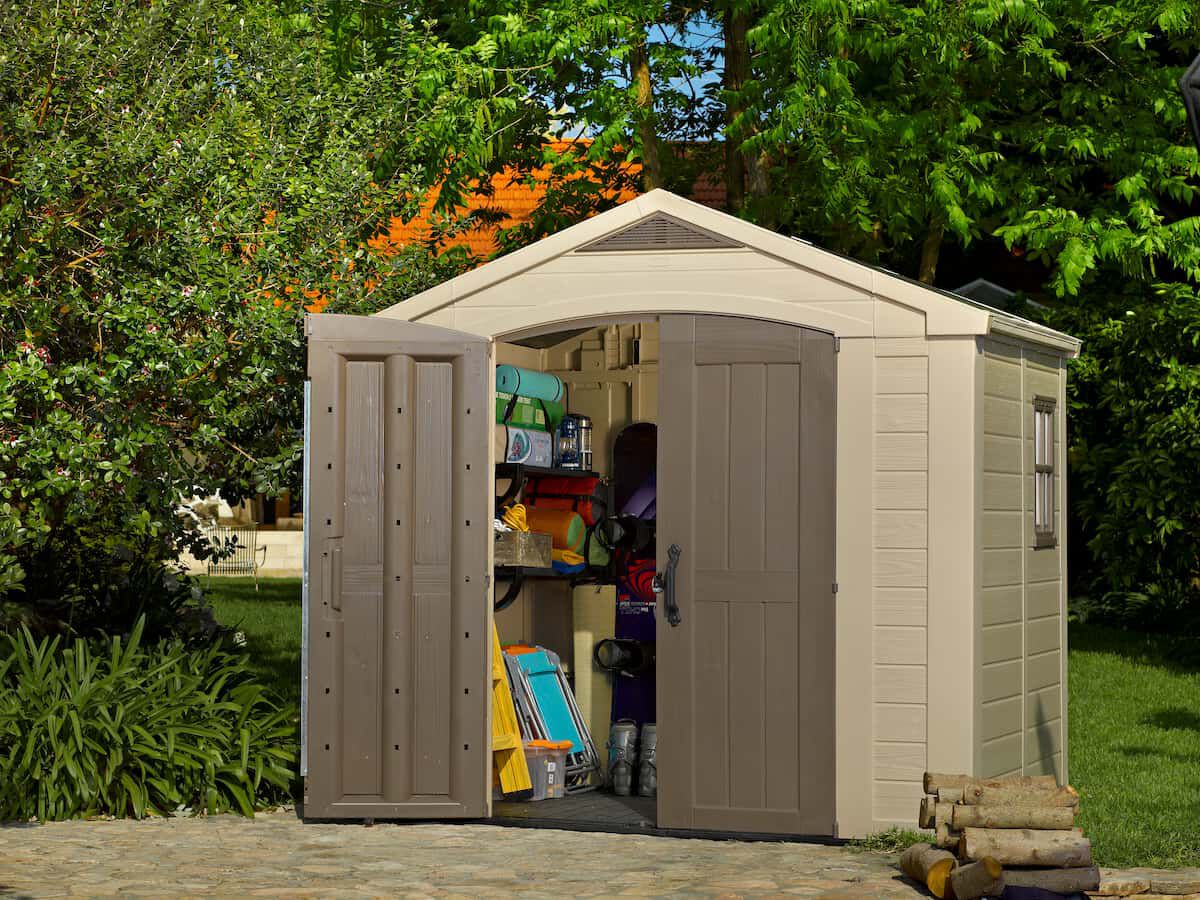

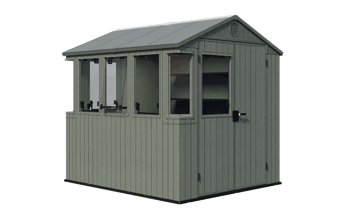
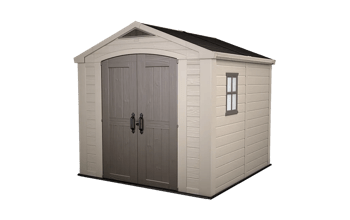
Medium Shed: Factor 8x6
Need more room to store yard equipment, organize your tools or even set up a small workspace? The hardy Factor 8x6 garden shed strikes a nice balance. With double doors for easy access and enough space for a mower, ladder, skis or bulky bins, this outdoor shed gives you flexibility without overwhelming your backyard. It’s built with steel-reinforced resin panels for extra strength and stands up to the elements with ease. Need a little more storage space? The Factor 8x8 shed offers the same durable protection with additional room for larger equipment and extra organization.
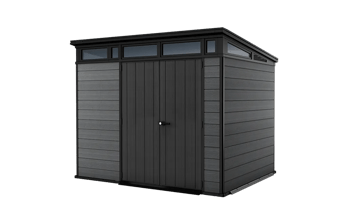





Large Shed: Cortina 11x7
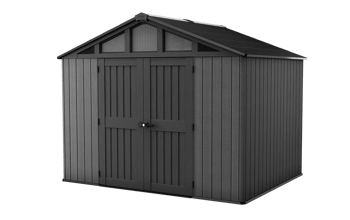
If you need serious storage or plan to work inside your shed, something like the tough Cortina 11x7 is worth the space. You’ll have room for bikes, seasonal bins, power tools and even a riding mower, and you can still add shelves or a workbench. It’s a practical solution with a clean, modern look that doesn’t scream “storage shed.” Looking for another spacious option? The 10x8 Stronghold shed offers ample storage for all your outdoor gear.

Purchase now
Stronghold 10x8 Storage Shed - Graphite
Extra Wide Double-Doors | Free Shipping
Extra Wide Double-Doors | Free Shipping
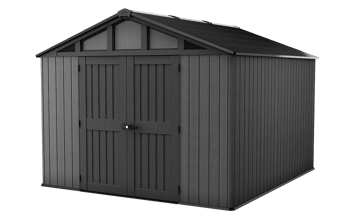

Purchase now
Stronghold 10x11.5 Storage Shed - Graphite
Extra Wide Double-Doors | Free Shipping
Extra Wide Double-Doors | Free Shipping
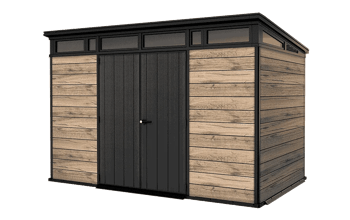

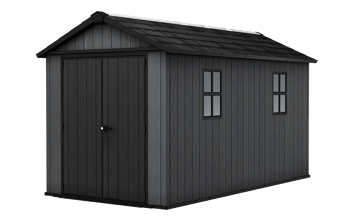

Purchase now
Newton Plus 7.5x13 Storage Shed - Graphite
Door Installs on Either Side | Free Shipping
Door Installs on Either Side | Free Shipping
At the end of the day, choosing a garden shed isn’t just about square footage—it’s about how you want to use it and what will make your life easier. A small shed might be perfect for storing your lawnmower and recycling bins. A medium shed could give you room for gardening gear, tools and even a little workspace. And a large shed? That’s your spot to go big, whether you’re building she-sheds, hobby zones or just need extra storage that will last.
Measure your space, check local regulations, think about your budget and pick a shed that fits your needs now—and down the road. Once it’s set up, you’ll wonder how you ever managed without it.
Frequently Asked Questions
How to Choose a Shed
What are the standard sizes of sheds?
Is a 10x12 shed a good size?
What shed sizes are considered small?
What shed sizes are considered large?
Should I buy a bigger shed than I need?




We build in a sustainable manner.
We use innovative materials and leading technologies to build planet-friendly products that last a lifetime.

