Is a Resin Shed Worth It? Long-Term Cost, Durability and Value Comparison
TLDR: Yes, for most homeowners a resin shed is worth it. A resin storage shed costs less upfront than wood or vinyl, needs almost no maintenance and can last 10 to 15 years or more without painting, sealing or rust treatment. Wood looks classic but demands yearly upkeep. Metal is cheap but rusts in wet climates. If you want a shed you can set up and forget about, resin is the easiest choice for the money.
You're standing in your backyard trying to figure out where all your stuff is going to go. The bikes, the mower, the bags of soil you bought on a whim last spring. A shed seems like the obvious answer, but then you start comparing wood, metal and resin shed options and the choice gets a lot less obvious.
So, is a resin shed worth it? Here's what these things actually cost, how long they really last and how a resin shed stacks up against the other options, using real numbers instead of guesswork.
What Is a Resin Shed, Anyway?
A resin shed is made from a heavy-duty plastic, usually polypropylene, molded to look like wood without any of the wood headaches. Many resin sheds have a steel frame hidden inside the walls, plus double-wall construction for extra strength. That combination is what lets a lightweight plastic shed hold up under snow load and strong wind without buckling.
The panels are also treated for UV resistance, so the sun won't fade or weaken them over time. That's a big deal if your shed sits in direct sun most of the day.
Are Resin Sheds Worth It?
This is usually the first question people ask, and it's a fair one. Nobody wants to drop a few thousand dollars on a shed that falls apart in five years.
Metal sheds often win on sticker price, but that's only half the story. A metal shed can rust once moisture gets in, and once rust starts, it doesn't stop on its own. Wood costs more up front and keeps costing you every year after that in stain, sealant and repairs. Resin lands in the middle on price but skips almost all the ongoing costs, which is where it starts to pull ahead.
If you're weighing a smaller shed for a tight side yard, a small resin storage shed is a good place to start pricing this out for yourself.
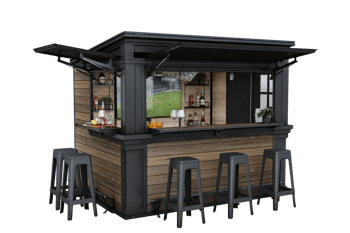



Purchase now
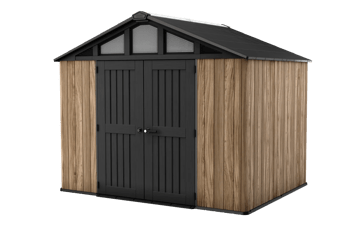
Stronghold 10x8 Storage Shed - Oak Brown
Extra Wide Double-Doors | Free Shipping
Extra Wide Double-Doors | Free Shipping


How Long Does a Resin Shed Actually Last?
With decent care, a resin shed can easily last 10 to 15 years, and often longer. Compare that to a wood shed, which can last a long time too, but only if you're willing to paint and seal it regularly to keep rot and warping away. Metal can last 20 years or more, but that's really only true in dry climates. Anywhere humid or rainy, and rust becomes a real problem.
Resin skips most of that entirely. It won't warp, rust or rot, and mold has a much harder time taking hold since there's no wood grain for it to grip onto. That's a big reason resin outdoor storage shed options hold their looks and their function for so long with so little effort from you.
Most resin sheds also come with a manufacturer's warranty, which is honestly a good gut check. When a company backs its product for years, it's telling you something about how confident they are that it'll hold up. Keter, for example, offers manufacturer warranties on all of their sheds. The sheds are great quality and are extremely durable, but it’s always great to have that warranty.
Resin vs. Wood vs. Metal: The Real Comparison
When it comes to shed materials, which one is the best? Wood sheds look great and you can customize them however you want (windows, shelving, a workbench, whatever). But they're the highest-maintenance option by far. Painting, sealing and the occasional repair are just part of owning one.
Metal sheds are the cheapest option and pretty secure against break-ins. The tradeoff is rust, especially if you live somewhere humid or near the coast. Temperature swings can also cause condensation to build up inside.
Resin sheds land in the middle on price but pull ahead everywhere else that matters day to day. They resist sun, rain, snow and pests without you having to do a thing. You lose some customization compared to wood, but for most people that's a small price for never touching a paintbrush again.
If your yard needs something in between a small shed and a full workshop, a medium resin storage shed usually hits that middle ground of space and price.


Who Gets the Most Value Out of a Resin Shed?
A few types of homeowners tend to get the best return on a resin shed.
Got a family with a lot of gear? Bikes, mowers, garden tools, pool floats, the list never really ends. A resin shed gives you a dry, secure place to keep it all instead of it piling up in the garage.
Same goes if you deal with a rough climate. Heavy rain, humidity, harsh sun or snowy winters are exactly the conditions where resin sheds outperform wood and metal.
And if you're trying to avoid a bigger bill down the road, resin still wins. You'll pay a bit more upfront than a basic metal shed, but you won't be replacing hinges, sanding rust spots or repainting every couple of years.
So, Is a Resin Shed Worth It?
For most homeowners, yes. You get a shed that resists weather damage, needs next to no upkeep and holds its price advantage over years of ownership once you factor in what you're not spending on paint, sealant and repairs.
Wood still makes sense if customization matters more to you than convenience. Metal makes sense if your climate is dry and your budget is tight. But if you want to set it up once, load it up and stop thinking about it, resin is hard to beat.
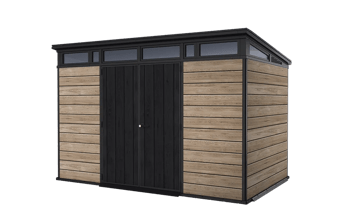
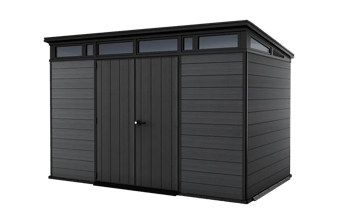
Some resin sheds, like the Signature 11x7 Storage Shed, are even built with a wood-look finish, so you get that classic look without the classic maintenance.
FAQs
Resin sheds
Is a resin shed worth it compared to a wood shed?
Are resin sheds worth it in cold or snowy climates?
How long do resin storage sheds last?
Does a resin outdoor shed need any maintenance at all?
What size resin outdoor storage shed should I get?




We build in a sustainable manner.
We use innovative technologies and sustainable materials to build planet-friendly products that last a lifetime