.jpg?sw=1440)
.jpg?sw=20 "Are Plastic Sheds Better Than Wood?")
Are Plastic Sheds Better Than Wood?
TL;DR: Trying to decide between a plastic and wood shed? Here's the short version: plastic sheds are lower maintenance, more affordable and built to handle whatever the weather throws at them. Wood sheds look beautiful and can be fully customized, but they need regular painting, sealing and repairs to stay in good shape. For most homeowners, a quality resin shed is the easier, smarter long-term choice.
When it comes to choosing a shed for your yard, the decision usually comes down to plastic sheds (sometimes called resin) or wood sheds. Plastic sheds are all really about convenience. They’re durable, low maintenance and built to handle weather without constant upkeep. Wood sheds, on the other hand, bring a classic look, more room for customization and can last for decades if cared for properly. Picking the right one really depends on what matters most to you: do you want something hassle-free and sturdy, or a shed with character that you can personalize?
Plastic vs. Wood Sheds: A Quick Guide
To start off, let’s do a quick comparison of plastic vs. wood sheds:
Plastic vs. Wood Sheds: Side-by-Side Comparison
| Category | Wood Shed | Plastic / Resin Shed |
|---|---|---|
| Weather Resistance | Natural insulation keeps it comfortable year-round, but needs sealing to prevent rot; vulnerable to termites if untreated | Won't warp, rot or crack; insect-proof; UV-protected finish won't fade |
| Maintenance | Requires regular painting, staining and sealing; moisture and pest damage can mean costly repairs | A hose rinse is usually all it needs; no painting or sealing, ever |
| Lifespan | Can last 20–30+ years with consistent upkeep; neglected wood degrades much faster | Most last 10–15+ years with minimal effort; steel reinforcement adds long-term strength |
| Assembly | Heavy materials often require cutting, drilling and a solid foundation; many homeowners hire a pro | Lightweight panel kits go together in a few hours with minimal tools |
| Cost & Value | Higher upfront cost plus ongoing expenses for paint, sealant and repairs | More affordable to start with; no ongoing supply costs, better long-term value for most |
| Customization | Paint, stain, expand or modify freely; easy to add shelving, lofts or workbenches | Kits often include built-in shelves and hooks; major structural changes aren't an option |
| Security | Heavy construction is harder to break into; thick doors support strong locks | Anchor points and built-in latch systems keep things secure with a padlock |
| Appearance | Classic, natural look with full finish flexibility; needs regular upkeep to stay looking fresh | Modern resin options mimic real wood with DecoCoat technology; fade-resistant and low-maintenance |
| Bottom Line | Great if you love the classic look and don't mind putting in the work to maintain it | The easier, smarter choice for most backyards; durable, weather-ready and hassle-free |
If you’re looking for more in-depth information about plastic vs. wood sheds, we’ve laid that out below so you can get a better idea.
Plastic vs Wood Sheds: Weather & Climate Resistance
When it comes to handling sun, rain, and changing seasons, sheds aren’t all built the same. Understanding how plastic sheds and wood sheds respond to the elements can help you pick the right one for your yard.
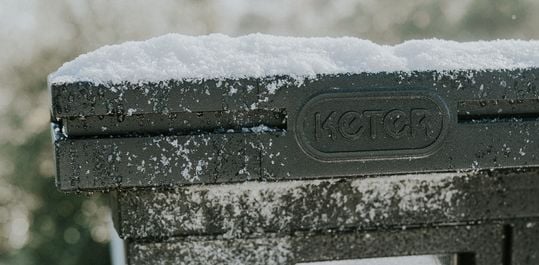

Wood Sheds
- Natural insulation: Stays cooler in summer and warmer in winter.
- Vulnerable to moisture: Without regular sealing, rain and humidity can cause rot.
- Needs upkeep: Regular painting or staining keeps it protected.
- Susceptible to insects: Termites and carpenter ants can be a problem if untreated.
Plastic Sheds
- Weather and moisture-resistant: Rain or snow won’t warp the structure.
- Won’t rot or crack: Built to last without the constant worry of decay.
- Fights off Pests: Termites and other insects can’t damage it.
- UV-protected: Will not fade.
Plastic sheds shine when low maintenance and durability are priorities. Keter sheds also have a unique DecoCoat wood look that gives you the classic look of wood without the maintenance. Wood sheds have a classic look and natural insulation, if regular care isn’t an issue, but they are not as durable, and they require a lot of maintenance.
Picking a wood or plastic shed that suits your local climate and maintenance preference makes a big difference in how long it will stay looking and performing its best. Resin sheds don't rot or crack over time, which means far fewer entry points for pests. For additional protection regardless of shed type, our guide on keeping your shed pest-free shares practical tips to keep mice, insects and other critters out year-round.
Plastic vs. Wood Sheds: Maintenance Requirements
How much time and effort goes into keeping a shed looking good can make a really big difference in day-to-day life. Maintenance needs often tip the scale when deciding between plastic sheds and wood sheds.


Wood Sheds
- High maintenance: Regular painting or staining is needed to prevent weather damage.
- Repairs may be needed: Moisture or insect damage can lead to costly fixes over time.
- Ongoing attention: Staying on top of sealing and treating the wood keeps it looking nice and lasting longer.
Plastic Sheds
- Low maintenance: A quick wipe down with a cloth or rinse with a hose is usually all that’s needed.
- No painting or sealing required: The color and finish are built to last.
- Time and cost savings: Less upkeep means more time enjoying the yard instead of working on the shed.
If you’re looking for a hassle-free option, plastic sheds are really hard to beat. They protect your belongings without the constant upkeep, while wood sheds reward consistent care with timeless style and natural charm.
Plastic vs. Wood Sheds: Durability & Lifespan
How long a shed lasts really depends on the materials, care and the climate it faces. Knowing what to expect can make things easier to choose the right wood or plastic shed for your yard.


Wood Sheds
- Lifespan: Can easily reach 20–30+ years with regular maintenance like sealing, painting, and inspections for rot or insect damage.
- Durability: Natural wood is sturdy, but untreated or neglected wood is vulnerable to moisture, pests, and weather damage.
- Environmental factors: Humid climates or areas with heavy rainfall mean more care to protect the wood and keep it lasting as long as possible.
Plastic Sheds
- Lifespan: Most plastic sheds last for 10-15+ years, easily. However, high-quality resin with proper care can stretch that even further.
- Durability: Built to resist warping, cracking, and insects. Many feature steel reinforcement, which keeps the structure strong and stable, even in rough weather.
- Environmental factors: Intense sun, heavy snow, or strong winds can affect lifespan, but overall, plastic sheds handle changing conditions better than untreated wood.
In short, plastic sheds are great for low-maintenance durability and can handle tough weather with minimal effort. Wood sheds reward consistent care with long-term strength and classic charm, but they do require attention to reach their full lifespan.
Plastic vs. Wood Sheds: Assembly & Installation
Setting up a shed shouldn’t be stressful. The right materials can make a big difference in how easy the setup process is, though, and what kind of foundation you’ll need.


Wood Sheds
- Assembly: Wood is heavier and often requires precise cutting, drilling, and careful alignment. Many homeowners prefer professional help to ensure the structure is sturdy.
- Foundation: Wood sheds usually need a solid, level base, like concrete or treated lumber, to prevent warping, moisture damage, or instability.
- Why it matters: A proper foundation protects the shed for decades, keeping your investment strong and safe in all seasons.
Plastic Sheds
- Assembly: Most come as kits with lightweight panels that fit together quickly. Minimal tools are required, so setup can often be done in a few hours.
- Foundation: Plastic sheds are fairly forgiving. A level, compacted surface works for most models.
- Why it matters: Quick assembly saves time and energy, letting the shed be ready for use faster without professional help.
Overall, plastic sheds make setup simple and flexible, while wood sheds demand more time and precision, but reward careful installation with long-term stability.
Plastic vs. Wood Sheds: Cost & Value
Price plays a huge role in the type of shed people buy. Both shed types have advantages, but the total value often comes down to more than just the upfront cost.
Wood Sheds
- Higher cost: Wood sheds tend to cost more, especially if you want customizations.
- More maintenance: Wood sheds need a lot of care. You’ll need to repaint, reseal and maybe even repair your wood shed.
Plastic Sheds
- More affordable: Plastic and resin sheds are usually more affordable from the start.
- Low to no maintenance: You do not need to buy paint, sealant or other supplies to keep up your resin shed since it is extremely durable and also resists insects.
The bottom line is that plastic sheds are a better long-term value than wood sheds. For the price, the durability and low maintenance make this an easy decision.
Plastic vs. Wood Sheds: Customization & Flexibility
How a shed can adapt to your needs is just as important as price or durability.
.jpg?sw=1440)
.jpg?sw=20)
Wood Sheds
- Creative freedom: Can be painted or stained in any color, expanded, or modified inside and out.
- Interior options: Custom shelving, workbenches, or lofts are easy to add, making it ideal for workshops, studios, or hobby spaces.
- Size flexibility: Can be built larger or shaped to fit your yard, so there’s almost no limit if a bigger project is in mind.
Plastic Sheds
- Pre-designed convenience: Most come in ready-to-assemble kits, often with built-in shelves or hooks.
- Modular tweaks: Some options allow small adjustments, but major structural changes aren’t possible.
Plastic sheds win for straightforward storage with minimal effort, while wood sheds give full creative control and can grow with your plans. Understanding how you want to use your shed makes it easier to match style and function to your yard and lifestyle.
Plastic vs. Wood Sheds: Security & Stability
Keeping belongings safe and your shed standing strong matters just as much as looks or size.


Wood Sheds
- Solid and sturdy: The heavier construction makes them harder to move or break into.
- Lock-friendly: Thick doors and frames support strong locks, giving extra peace of mind.
- Weather resistance: Heavy wood can handle high winds and rough weather better than lighter structures.
Plastic Sheds
- Secure with anchors: Most resin sheds can be anchored to the ground for added stability.
- Locking options: Built-in latch systems allow a padlock, keeping tools and garden gear safely inside.
- Practical backyard storage: Great for everyday items, from lawnmowers to bikes, without worrying about heavy maintenance.
Wood sheds offer natural strength and durability for long-term security, while plastic sheds provide a low-maintenance, practical solution that’s easy to secure with a few simple steps. Matching your shed to your storage needs and local conditions helps keep your backyard organized and your gear safe.
Plastic vs. Wood Sheds: Appearance & Aesthetics
How a shed looks can make a big difference in your backyard, and both plastic and wood have their own style perks.


Wood Sheds
- Customizable finish: Can be painted or stained to match other outdoor structures.
- Upkeep needed: Wood sheds require regular maintenance (painting, sealing, and occasional repairs) to keep that fresh, inviting appearance.
Plastic Sheds
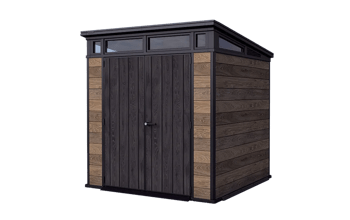
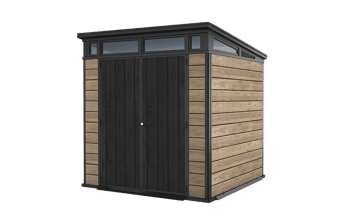
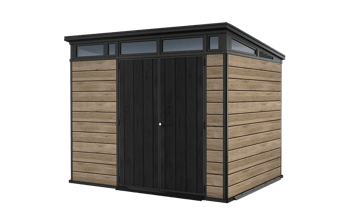
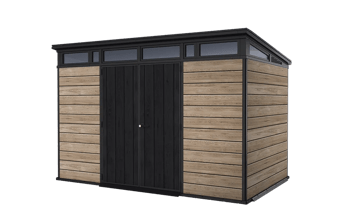
- Modern and polished: High-quality resin sheds can mimic the look of real wood with DecoCoat technology, from Keter, which gives these sheds a wood-like look without the maintenance.
- Fade-resistant: Colors stay vibrant over time with minimal effort.
- Low maintenance beauty: A simple wash keeps the shed looking sharp without the ongoing work of wood upkeep.
Keter options: The Keter Signature line offers wood-look finishes that bring all the charm of natural wood with the convenience of resin, thanks to our DecoCoat technology.
Plastic sheds deliver long-lasting style with almost no work, while wood sheds offer timeless, customizable appeal if regular maintenance fits your schedule. Picking a shed that matches your backyard style helps your storage solution feel like part of the space, not just an afterthought.
Plastic sheds are all about convenience, durability and low maintenance. They handle weather, insects and daily use with very little effort, making them a practical choice for busy homeowners. Wood sheds bring classic charm, lots of customization options and the potential for a long lifespan, but they do need regular care and upkeep to stay in top shape.
For most homeowners, a quality plastic shed hits the sweet spot. It offers practicality, ease and solid value without the ongoing maintenance that comes with wood.
Ready to find the right shed for your backyard? Explore Keter’s collection of small, medium and large resin sheds (like an 8x8 resin shed with floor or a plastic garden shed 8x10) and see which style fits your space and storage need.
Frequently Asked Questions
Plastic vs Wood Sheds
Are plastic sheds as good as wooden sheds?
How long do plastic sheds last vs. wooden sheds?
Do plastic sheds need a foundation or base?
Can you paint or customize a plastic shed?
How do I secure a plastic shed and is it safe from thieves?







We build in a sustainable manner.
We use innovative materials and leading technologies to build planet-friendly products that last a lifetime.