Ways to Turn a Shed into a Ski/Winter Sports Storage Shack
If your garage or entryway is crowded with skis, snowboards, boots and winter gear, it can quickly become frustrating to find what you need before hitting the slopes. A cluttered space doesn’t just make your life stressful, it can also put your expensive gear at risk of damage. A backyard outdoor ski storage shed is a perfect solution to keep your skis, snowboards and winter accessories safe while freeing up garage space.
So, why a shed? A storage shed in your yard can be used for all of your winter sports gear storage, holiday items and much more year-round. Many people store these items in their garages. After all, it’s easily accessible and it’s out of the elements. However, having space in your garage for your cars is also important. If you have a snowmobile or two and a small garage (or a few cars), there might not be room. However, leaving cars with winter sports equipment outside isn’t an ideal option.
One of the best things about it, too, is that it’s not taking up garage space from your cars and tools. So, let’s talk more about your winter sports equipment and what can and can’t be stored as well as steps to making your winter storage shed better.
Can You Store Skis and Snowboards in a Shed?
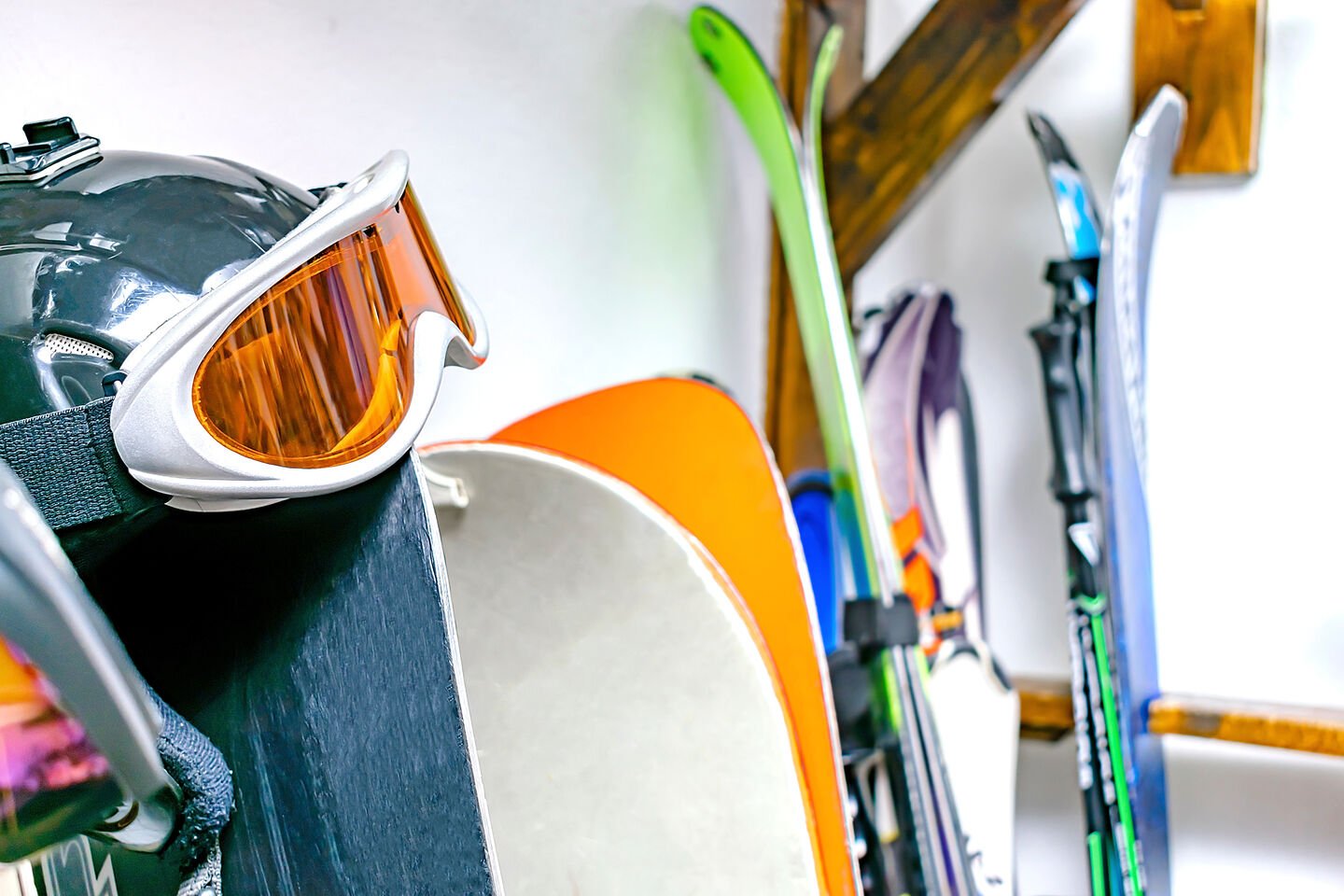

When it comes to sports equipment storage ideas, let’s start with the basics. Yes, skis and snowboards can be safely stored in a winter storage shed, as long as the space is clean, dry and shielded from extreme temperatures and moisture. Also, skis and snowboards should be stored off the ground and can really benefit from a shed for upright ski storage, which helps protect edges and bindings while keeping them accessible. When winter gear is left in damp or fluctuating conditions, it can warp, rust or develop other damage over time, too. So, a well-prepared shed creates a controlled environment that protects these valuable items while keeping them organized and easy to access.
Organize the shed with wall-mounted shelving for skis and snowboards as well as boots and helmets. Having designated zones for drying and maintenance ensures everything has a place. Proper storage protects gear and keeps you more stress-free and makes seasonal rotation simple when winter comes around again.
Step 1 – Prepare Your Winter Storage Shed for Winter Gear Storage
Before adding shelves or any gear, prepping your shed makes sure it becomes a secure winter sports gear storage space, protecting your skis, snowboards and boots from damage. This is because expensive winter gear needs a clean, secure and dry space to stay in top condition. Taking a little time to prep the shed or to buy the right shed now protects your investment and makes the rest of the storage setup much easier.
Clean, Seal and Pest-Resistant
If you have an existing shed, start by emptying the shed completely and giving it a deep clean. Dust, dirt and leftover debris can trap moisture or attract pests, so sweeping, wiping down surfaces and cleaning corners is important. Next, inspect the shed for cracks, gaps or vents where pests could enter and seal them with caulk or foam. A well-maintained, pest-resistant shed keeps skis, snowboards and boots safe from damage all winter long.
Insulation and Moisture Protection
Even a clean shed can expose gear to temperature swings and condensation, which can warp skis or damage bindings. Adding insulation to the walls and ceiling helps stabilize temperatures, while a vapor barrier on the floor and walls adds extra protection against moisture. Good airflow is also important. So, outdoor ski storage sheds with built-in ventilation are a great option. With these precautions in place, the shed becomes a controlled environment where winter sports equipment stays protected and ready for every trip to the slopes.
Step 2 – Design a Functional Sports Storage Layout


Organizing your shed for winter sports gear storage works best when the layout matches how the equipment is used. Gear that gets frequent use, like skis, snowboards and boots, should be easy to reach, while seasonal or less-used items can be stored higher up or toward the back. Making sure you have the right tools to store everything properly is a must.
Shelving & Bins for Boots, Helmets and Accessories
Adjustable shelves are perfect for storing boots, gloves, goggles and other smaller gear. Clear or labeled plastic bins work well for seasonal items, maximizing space while keeping everything accessible. Organizing gear in this way not only protects it but also makes it easier to rotate items in and out as the season changes.
Create a Maintenance & Drying Station
A small workbench provides a dedicated space for waxing skis, tightening bindings or handling minor repairs. Boots and gloves can dry on ventilated shelves or with a boot dryer, preventing moisture buildup that can damage materials. Adding adequate lighting ensures the space is safe and practical for tuning or prepping gear, so every item is ready to hit the slopes when it’s needed. To add lighting, you either need to hire an electrician, for safety reasons, or perhaps consider battery-operated lights.
Step 3 – Sports Equipment Organizers by Item Type
Organizing your shed for upright ski storage works best when each type of equipment has a dedicated spot. Dividing the winter storage shed into zones helps keep everything in order and makes things smoother. A simple system might include a ski and snowboard storage zone, a boot and helmet area, and a small maintenance and drying station.
Skis, Snowboards & Poles
Skis and snowboards should be stored in a way that keeps them off the ground and avoids pressure on edges or bindings. Putting them in a freestanding ski rack can be really helpful. Poles can be grouped together in containers like a tool rack or tall bins to stay organized and upright.
Boots, Helmets & Goggles
Boots should dry completely after every outing, either on ventilated shelves or with a boot dryer, to avoid moisture damage. Helmets can hang on shelving to stay safe from scratches, while goggles are best stored in protective bins to prevent lens damage.
Apparel & Accessories
Jackets, pants, gloves and other outerwear benefit from weather-resistant bins or cabinets that keep them dry and organized. Make sure everything is fully dry before putting it in a bin or hanging it on a shelf. Using a combination of shelves and bins creates a full sporting goods organizer system that maximizes space and keeps every item in order.
Snowmobile Storage
One of the biggest winter sports items is a snowmobile. There’s nothing like it, but snowmobiles are expensive to repair or replace, so proper storage is essential.
You need a snowmobile shed. The winter storage shed protects from direct sunlight, helping prolong the vehicle’s life. Soft covers inside the shed provide extra protection. Things like tarps can let moisture in, but a proper cover keeps snowmobiles safer.
For long-term storage, add a stabilizer to the gas tank to keep fuel from going bad. So, when people ask how to store a snowmobile outside, it’s not quite the right thing to do. Keeping a snowmobile shed is a much better option that keeps the snowmobile out of your garage while also not making you keep it outside where it can get damaged. With these steps, a snowmobile shed becomes an ideal home for snowmobiles, keeping them safe, dry and ready for the next ride.
Step 4 – Long-Term Off-Season Winter Storage Shed Prep


Proper off-season care is key for your winter sports gear storage, ensuring skis, snowboards and boots stay in top condition. Storing equipment without preparation can lead to rusted edges, dried-out bases or weakened bindings, making it harder to enjoy the slopes when the season returns.
Start by giving skis and snowboards a thorough cleaning to remove dirt, salt and moisture. Apply a layer of storage wax to the bases to prevent them from drying out and check bindings. You need to turn down the DIN settings to help relieve spring tension. Boots, gloves and other accessories should be fully dried before storage to prevent mildew or odor buildup.
Seasonal rotation can make a big difference in shed organization, too. Place summer gear or items not in use further back or on elevated shelving, leaving winter sports equipment easily accessible. With these steps, a shed becomes a reliable, organized space where all gear is protected, ready and waiting for the first run of the season.
Step 5 – What NOT to Store in Your Shed
Even a well-organized winter sports shed isn’t the right place for every type of item. Certain materials and equipment can be damaged by moisture, temperature changes or pests, so it’s important to know what to keep out.
Electronics and important documents are sensitive to humidity and temperature swings and can be ruined if stored in a shed. Food is also risky. Pests, moisture and fluctuating temperatures can quickly turn it into a problem. So, make sure you check your pockets and bags for protein bars you may have overlooked. Delicate fabrics, such as vintage jackets or special outerwear, may develop mildew or fade when exposed to damp conditions. Finally, hazardous or flammable materials are a safety concern, as sheds are often not equipped to contain potential fires.
Keeping these items out of a shed means that your space remains safe and dedicated to winter sports gear storage. By storing only appropriate equipment, a shed stays organized, secure and fully functional as a sporting goods storage hub.
Ready to get the perfect shed for a ski/winter sports storage shack? A resin Keter shed is an ideal choice for turning a backyard space into a fully functional ski and winter sports hub. These sheds are weather-resistant and have built-in ventilation, keeping skis, snowboards, boots and accessories protected from moisture and snow. The sheds are simple to assemble, require little to no maintenance and offer a modern wood look that fits seamlessly into any outdoor space.
With the right setup, shelves and bins for boots and helmets, and a small maintenance and drying area, gear stays organized, safe and ready for the slopes. Using a Keter shed as a dedicated winter sports storage space makes it easier to enjoy every trip, extends the life of expensive equipment and keeps the garage or home clutter-free.
Turn your backyard space into a functional outdoor ski storage shed, protecting skis, snowboards, boots and accessories while keeping your garage clutter-free. With a little planning, organization and a durable Keter shed, every season starts off smoothly, with gear in great condition and easy to find.
Ski and Snowboard Storage
Frequently Asked Questions
Does heat damage skis?
Can you store skis in a shed?
Where is the best place to store skis?
Best way to store a snowboard?



Purchase now
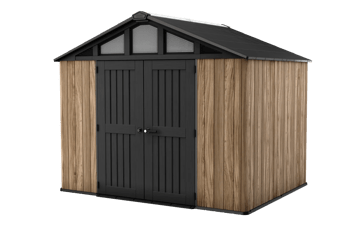
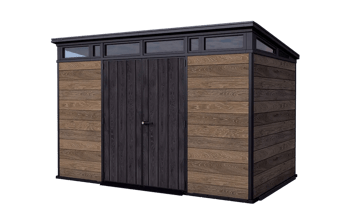
Stronghold 10x8 Storage Shed - Oak Brown
Extra Wide Double-Doors | Free Shipping
Extra Wide Double-Doors | Free Shipping


Purchase now
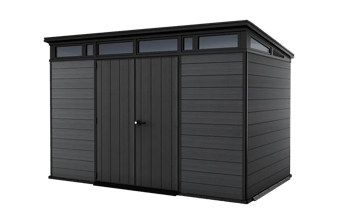
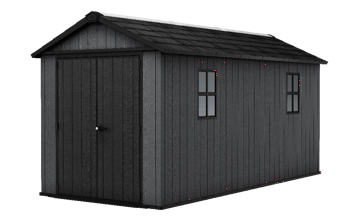
Newton Plus 7.5x15 Storage Shed - Graphite
Door Installs on Either Side | Free Shipping
Door Installs on Either Side | Free Shipping






We build in a sustainable manner.
We use innovative materials and leading technologies to build planet-friendly products that last a lifetime.