
The Ultimate Guide to Backyard Sheds in Canada
We get it. Space is at a premium in many Canadian homes these days. With smaller lots, urban infill and rising real estate costs, having a little extra room in your home can make a big difference. That’s where a backyard shed comes in. It’s the perfect way to add more storage. So, you can stash lawn tools, keep bikes safe, hide garbage as well as recycling bins, store seasonal gear or even have a small workshop or hobby space.
Choosing the right garden shed for your backyard comes down to a few factors. Canadian weather, snow loads, frost and zoning rules all play a really big role. Size matters, too. You want enough space for what you need now, but also room for future storage. By thinking through other things like the material, foundation and your intended use, you can pick a shed that works hard for you year-round and adds real value to your outdoor space.
Do You Need a Permit? Navigating Canadian Shed Rules
Here’s the thing about permits: it really depends on where you live. This is true in Canada as well as other countries. So, it’s not a good idea to give blanket advice on this topic. The best thing you can do is contact your local government office and see what the rules are. This might seem silly, but it’s so much better to look at the rules before building a shed. It would be a shame to invest in a shed kit or materials just to have to tear it down.
One thing that’s important to note is that it’s really crucial to understand the difference between a building permit and zoning bylaws. Even if a storage building doesn’t require a permit, it still has to comply with zoning. That means respecting setbacks from property lines, staying within lot coverage limits and following any local rules about height or placement. Municipalities can vary quite a bit, so it’s always smart to check your city or town’s website before installing a storage house or backyard shed.
Choosing the Right Shed Material for Canadian Winters


When it comes to adding a backyard shed, there are a few clear paths. The right choice usually depends on budget, timeline and how hands-on the project should be. Some homeowners want a quick weekend project. Others prefer something delivered and ready to use.
Shed Kits
Prefabricated garden sheds and shed kits are a popular middle ground. These pre-cut systems arrive with everything measured and ready to assemble, which makes them ideal for do-it-yourself shed kits. Many modern resin shed kits are designed for straightforward assembly with basic tools, and they’re built to handle Canadian weather. For homeowners looking for a diy backyard shed without starting from scratch, this option offers convenience without the guesswork.
Pre-assembled Sheds
Pre-assembled sheds cost more upfront but require very little labour. They’re delivered ready to go, making them a good fit for anyone who wants instant backyard storage with minimal setup.
DIY Sheds
DIY shed builds can lower material costs, but it demands more time and planning. In Canada, that also means factoring in snow load requirements, proper roof pitch and frost-resistant foundations. Skipping those details can lead to expensive repairs later on.
Taking time to compare these options helps you to ensure the new shed fits both the yard and the lifestyle.
Foundation Options for Canadian Winters
A solid foundation matters just as much as the shed itself. Canadian winters bring frost heave, which happens when the ground freezes, expands and shifts. Without proper support, backyard storage sheds can tilt, crack or develop door alignment issues over time. Taking the time to prepare a stable base helps outside sheds stay level and functional year-round.
Here are the most common shed foundation options in Canada:
- Gravel or Crushed Stone Pad: A popular and practical choice for standard sheds. A compacted gravel base allows for drainage and reduces moisture buildup under the floor. It’s often recommended for resin backyard storage sheds because it provides stability without the cost of poured concrete.
- Concrete Slab: A heavy-duty option suited for larger sheds or garage-style utility setups. Concrete creates a strong, permanent base, though proper reinforcement and site preparation are important to prevent cracking in freeze–thaw cycles.
- Skids or Helical Piles: Ideal for uneven yards or areas prone to movement. These systems elevate the shed slightly off the ground and help prevent frost heave by anchoring below the frost line.
One really common shed foundation mistake is placing a shed directly on grass or bare soil. It might seem easier up front, but over time, moisture can cause shifting, sinking or floor damage. A well-prepared foundation protects the investment and keeps the structure stable through every Canadian season.
Installation Mistakes to Avoid
A backyard shed should make life easier, not create new problems. A few common installation mistakes can shorten the lifespan of backyard storage sheds and lead to costly fixes down the road.
Bad drainage is one of the biggest issues you’ll have. If water pools around the base, moisture can build up under the floor and cause shifting over time. Even durable outside sheds need proper grading and a well-prepared foundation so rain and melting snow drain away from the structure.
Roof design matters, too. We’ve touched on this already, but a low roof pitch may look simple, but in many parts of Canada it can allow heavy snow to collect and sit longer than it should. That extra weight puts stress on the frame. Placement is another detail that often gets overlooked. Installing a shed too close to a fence or property line can make maintenance difficult and may even violate local setback rules.
Door size is worth thinking through as well. A shed that can’t comfortably fit a lawnmower or bicycle becomes frustrating quickly. Planning for easy access, proper drainage and adequate snow shedding helps ensure outside sheds stay functional and reliable in every season.
The right backyard shed starts with a clear purpose. Is it for tools, bikes, garbage bins or extra household storage? Knowing how the space will be used makes it much easier to choose the right size and layout. It’s also worth planning for a little extra room. Storage needs have a way of growing over time.
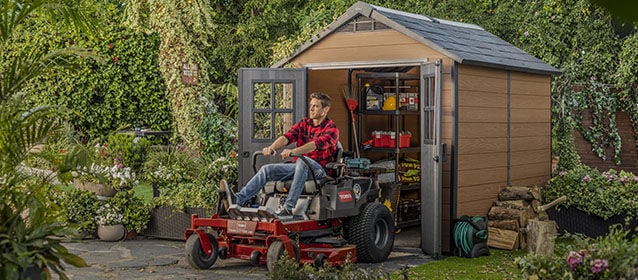

In Canada, the details matter. Snow load, foundation prep, materials and local permit rules all play a role in how well a shed performs year-round. A structure built for real winter conditions will last longer and require less upkeep.
Ready to take the next step? Browse Keter’s range of backyard sheds and prefabricated kits to find a durable option designed to handle Canadian weather and everyday storage needs.
Frequently Asked Questions
Backyard Sheds
Can I have two sheds in my backyard?
Does a shed add value to my home?
Can I insulate a standard shed?
What is the best shed for winter in Canada?


We build in a sustainable manner.
We use innovative technologies and sustainable materials to build planet-friendly products that last a lifetime.