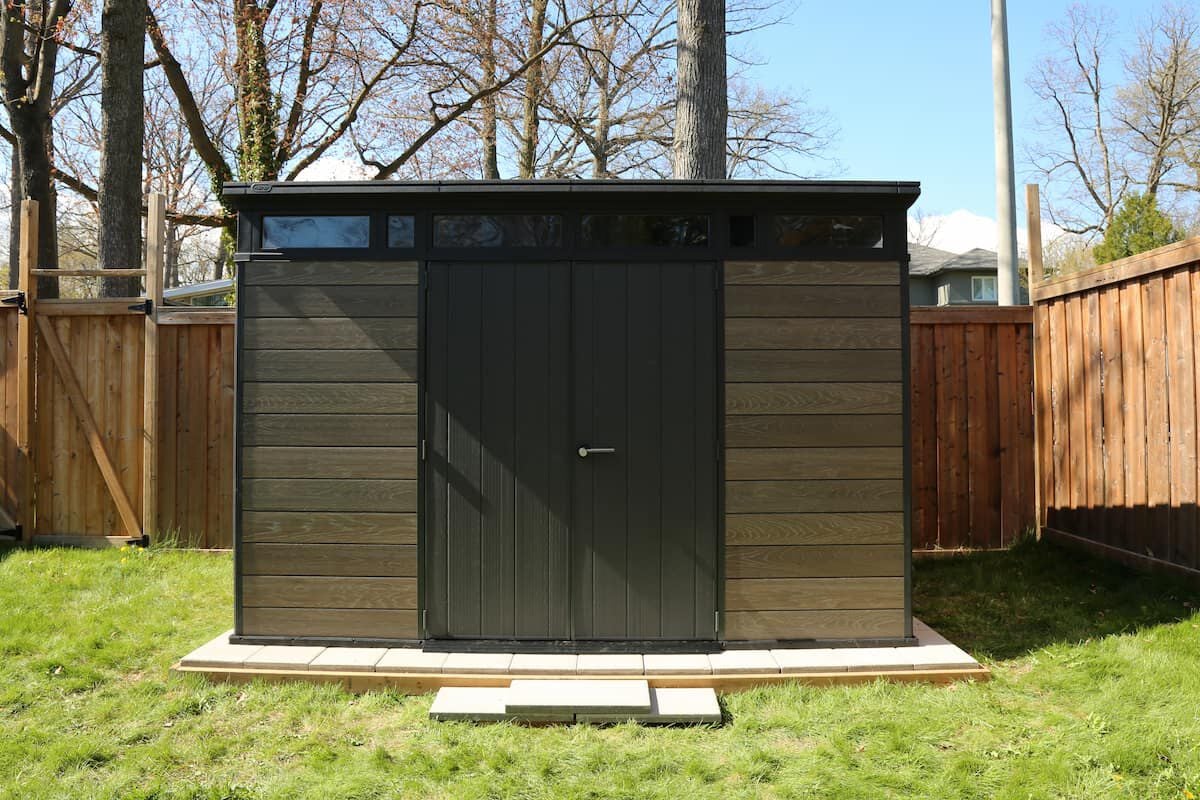

Do Sheds Need a Base? The Shed Foundation Dilemma
Have you ever thought about what your shed sits on?
You might not realize it, but a solid shed foundation actually makes a huge difference. A proper shed foundation keeps your structure level, stops water from causing damage and prevents your shed from shifting or sinking over time.
Picking the right base depends on a few things: the size of your shed, the type of ground it will sit on and the Canadian climate in your area. There are lots of options, from concrete block shed foundations and gravel shed foundations to wooden piers and plastic grid systems. Each type has its own benefits, and knowing which one fits your shed can save you headaches down the road.
So, let’s talk about why a foundation for a shed is so important, outline the main foundation types and share practical construction tips. You’ll also get ideas for different shed foundations that make your storage shed sturdy, safe and built to last for years.
Why Every Shed Needs a Solid Foundation
So, why does a shed need a foundation? A shed foundation does more than just give a shed a place to sit. It’s what keeps the whole structure level, stable and protected from water and weather over time. Even smaller garden sheds can start to sink, tilt or shift if they’re placed directly on the ground, which is why having a proper foundation is worth the effort.
There are lots of options for shed foundations, from gravel shed foundations and concrete block shed foundations to wooden piers and plastic grid systems. The right choice depends a lot on the size of the shed, the type of soil
it sits on and the climate in your area. Thinking about a foundation early also makes maintenance easier and can extend the life of the shed, keeping everything inside safe and dry.
Exploring foundation ideas for sheds helps make sure a shed stays sturdy for years. With the right base, sheds can stay level and secure, so there’s no worry about shifting, sinking or water damage.
Choosing a Foundation Based on Shed Size


The size of a shed makes a big difference when picking a foundation. A base that works for a small garden shed might not be enough for a larger storage shed, so it’s worth matching the foundation to the shed’s size.
- Small Sheds (under 6×8 ft): Gravel pads, pavers or wooden piers usually do the job. Even small sheds benefit from a solid shed foundation to prevent shifting, uneven floors or moisture issues. While some very small sheds might get by without a foundation, having one is the easiest way to protect the structure and everything inside. Shed foundation kits can make installation fast and simple.
- Medium Sheds (around 6×8 to 10×12 ft): If the shed will store heavier items, a more stable base is important. Gravel beds or concrete pads provide the support needed to keep the shed level and secure over time.
- Large Sheds (over 10×12 ft): Poured concrete slabs or reinforced gravel pads are the most reliable option. These foundations can handle heavy loads and often meet local building codes for permanent sheds.
Picking the right foundation for the size of the shed protects your investment, keeps the structure level and makes maintenance easier. Even a simple gravel shed foundation or wooden base can make a big difference in how long a shed lasts and how well it performs in any Canadian climate.
Shed Foundation Ideas and Options
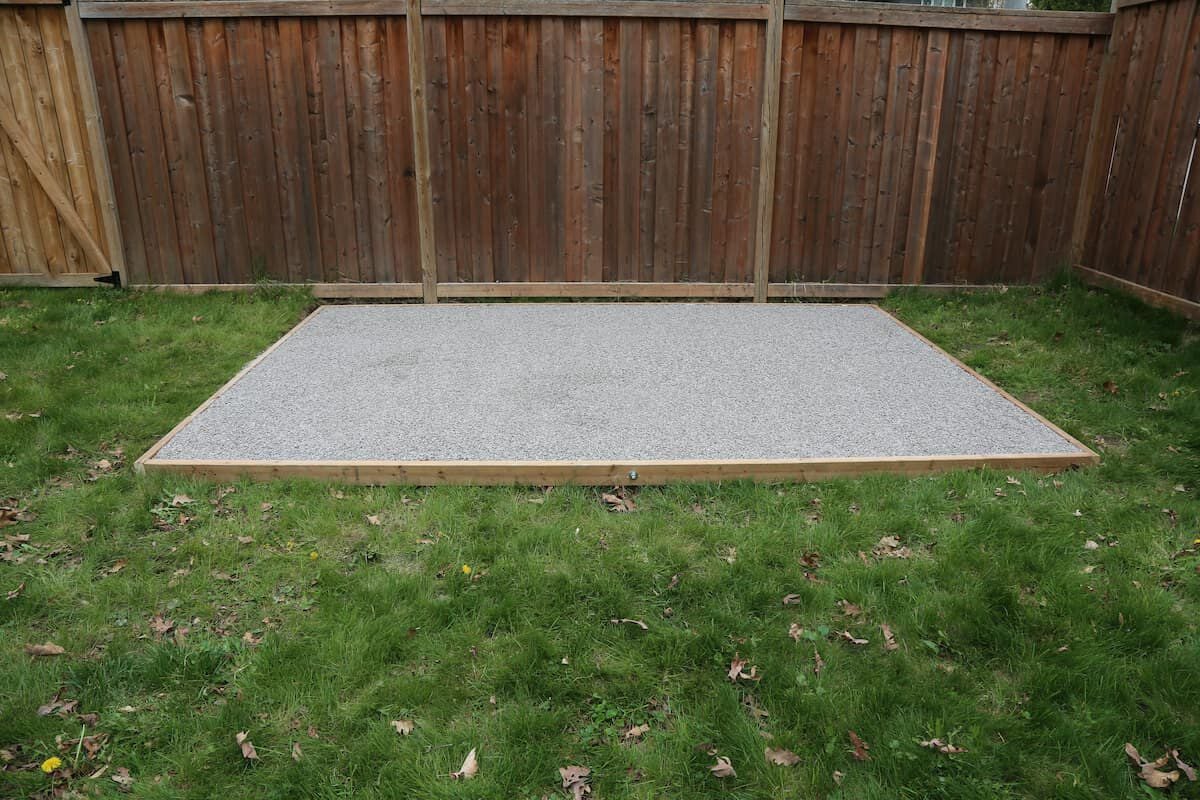

With shed bases, there are several options to suit different needs, from small garden sheds to larger workshops.
- Concrete Pad: Poured concrete slabs offer maximum stability and durability. They’re ideal for workshops or storage sheds that will hold heavy tools or equipment.
- Gravel Shed Foundation: Gravel bases are quick to install, affordable and drain water well. They work for most sheds, especially on uneven or soft ground.
- Pier-and-Beam (Wooden Piers): Lifting a shed off the ground with wooden piers helps in damp or sloped areas. The airflow underneath reduces moisture and keeps the shed floor dry.
- Concrete Blocks: Simple and fast to use, concrete blocks give small sheds a little lift, improve ventilation and protect against water damage.
- Plastic Grid Systems: Lightweight and eco-friendly, these grids are filled with gravel to create a sturdy foundation for standard garden sheds.
Choosing the right foundation ensures a shed stays level, secure and protected from the elements. Thinking through foundation ideas for sheds before building makes a big difference in durability and long-term maintenance. A well-prepared base sets the stage for a shed that performs well, year after year.
Choosing the Right Foundation for Your Shed
As we touched on above, finding the right foundation starts with looking at the size and weight of the shed. Small garden sheds can sit on lighter bases, like a gravel shed foundation or concrete blocks, but larger sheds or ones holding heavy equipment need something much sturdier. Soil conditions are another key factor. Some soils drain well, while others hold water or shift over time, so it’s important to know the ground before building a base.
Climate and drainage also play a big role. In wetter areas, gravel pads or pier-and-beam setups let water flow away from the shed, protecting the floor and the items inside. In regions with colder winters, frost heave can move lighter foundations, so a concrete slab that extends below the frost line helps keep the shed level and secure.
For most standard garden sheds, a gravel shed foundation offers a good mix of stability, affordability and easy installation. Heavier-duty sheds, like workshops or garages, usually need a poured concrete pad for long-term durability. Thinking about size, soil and climate together makes it easier to choose a foundation that keeps a shed safe, level and dry for years to come.
Quick DIY Tips for a Solid Shed Foundation
Starting with level ground makes a huge difference for any shed. Even a small slope can cause doors to stick, water to pool or the shed to lean over time. Compacting the soil before adding a foundation (whether gravel, concrete blocks or pavers) helps create a solid base that won’t settle unevenly.
Drainage is another key factor. Water should flow away from the shed to prevent rot, rust or other damage. Simple steps like adding a slight slope or using a gravel shed foundation can go a long way. Anchoring the shed is also
a smart move, especially in windy areas, to keep it stable and secure for years.
Following the manufacturer’s recommendations ensures the foundation supports the shed properly and keeps warranties valid, since some require a base. Taking these small steps (leveling, compacting, providing drainage and anchoring) makes a big difference in keeping a shed safe, functional and long-lasting. Choosing the right foundation for the shed’s size, weight and location sets the stage for a structure that stays sturdy and dependable through every season.
Common Mistakes to Avoid When Making a Shed Foundation
Even small missteps can cause big headaches when it comes to shed foundations. One of the most common mistakes is putting a shed on uneven or soft ground. This can lead to doors sticking, floors sagging or the shed leaning over time. Compacting the soil and checking that the area is level before adding a gravel shed foundation, concrete blocks or a poured slab can prevent these problems.
Poor drainage is another frequent issue. Water pooling under or around a shed can cause rot, rust or shifting foundations. A slight slope away from the shed and using a gravel base or pier-and-beam setup helps water flow naturally and keeps the foundation solid.
Skipping anchoring is a third common error, especially in areas with strong winds. Even a well-built foundation can shift if the shed isn’t secured. Following the manufacturer’s recommendations for anchoring ensures the foundation supports the shed properly and keeps everything inside safe. Avoiding these mistakes makes a huge difference in how well a shed performs and how long it lasts.
A strong shed foundation keeps your structure level, dry and secure for years. Choosing the right base (gravel, concrete blocks or a poured slab) makes all the difference. Pair it with a durable, low-maintenance resin shed from Keter, and you’ve got a storage solution built to last and handle whatever comes
Frequently Asked Questions
Shed Foundations
What is the best foundation for a shed?
Can you put a shed up without a foundation?
Can you put a shed directly on concrete?
How much will a shed foundation cost?
What is considered a foundation for a shed?




We build in a sustainable manner.
We use innovative technologies and sustainable materials to build planet-friendly products that last a lifetime.