When to Plant Your Vegetables – A Month-by-Month Calendar
Ever wondered when the best time is to plant vegetables, or where to even start with a home garden?
Whether you’re brand new to gardening or you’ve been doing it for years, figuring out planting times can feel a little overwhelming at first. But once you get going, it’s one of those hobbies that really pays you back. Gardening is a great way to unwind, spend more time outside and feel a bit more connected to what you eat. Homegrown vegetables also tend to be fresher, more affordable and a lot more sustainable than store-bought options. And honestly, nothing really compares to the taste of something you’ve picked straight from your own garden.
With all that said, it’s totally normal to have questions when you’re starting out. What tools do you actually need? Which vegetables grow best in your space? Do some crops need more care than others? And how do you know when to plant everything?
Let’s walk through it all so it feels a lot less confusing and a bit more doable.
Consider Where You Live
One of the first things to think about when planning a garden is where you live. Different regions fall into different growing zones, which basically just means your planting timeline can look a bit different depending on your local climate. A place with mild winters will have a much longer growing window than somewhere that deals with heavy snow and late frosts.
Even within the same year, things don’t always follow the calendar perfectly. Some springs warm up early, while others drag on with colder temperatures than expected. So even if a vegetable planting chart says it’s time to get started, it’s worth watching your local weather before you jump in. Waiting an extra week or two can make a big difference in protecting young plants from a surprise frost.
While growing zones are often talked about with perennials, they’re still really helpful when planning out your easy to plant vegetables, too. Understanding your local conditions helps you choose the right timing and sets you up for a much better chance of success overall.
Think About the Types of Vegetables You Want
Not every vegetable grows the same way, and some will naturally do better depending on your climate, soil and how much sunlight your garden gets. That’s why it helps to start with what you actually want to grow, then narrow things down from there.
If you’re thinking about something like tomatoes, carrots and lettuce, it’s worth getting a bit more specific about each one. Even tomatoes alone come in different varieties, from cherry to beefsteak, and each has slightly different growing needs.
To make things easier, here are a few simple ways to figure out what will work best in your garden:
- Start with easy vegetable plants to grow so you can build confidence
- Check what grows well locally and ask neighbours or friends what’s worked for them
- Visit a local nursery for region-specific advice
- Use a companion vegetable planting guide or chart to see what plants grow well together
- Refer to a companion planting chart for vegetables when planning your layout
You can also look up a vegetables planting chart or general vegetable planting chart to help guide timing and spacing based on your area.
Taking a little time to plan now makes the whole process feel a lot more manageable once you actually get planting.

Supplies You’ll Need
The supplies you need will be basic if you’re just starting. If you’re new to gardening, starting small is probably good, so you can do some trial and error before trying to grow a massive garden. Otherwise, it might get too overwhelming. Maybe start with 1-3 things and go from there. As far as supplies go, you’ll want to get the following:
- Gardening gloves
- Shovel
- Rake
- Hoe
- Trowel
- Gardening hand tools
- Watering can/Sprinkler
- Soil
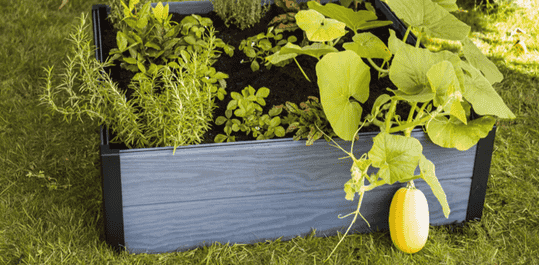
- Raised garden bed
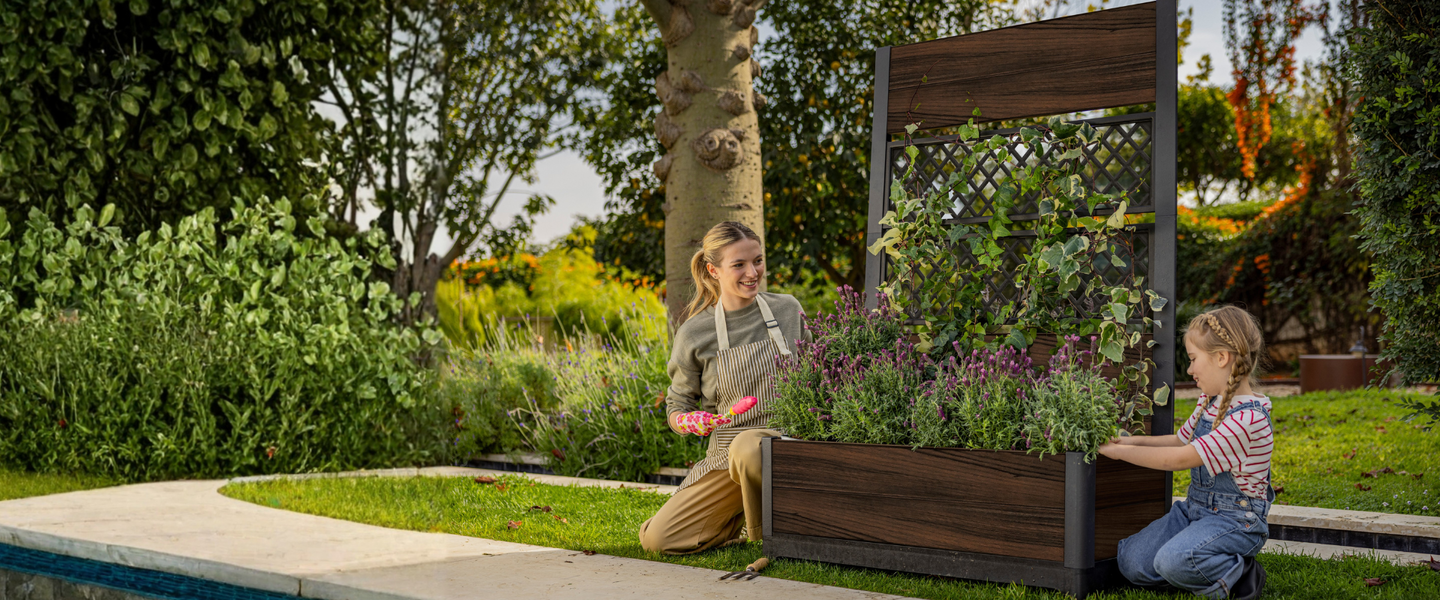
All of these tools would be very useful in starting a new garden. One of the main things you’ll need to focus on is where you’ll be planting everything. Will you be doing it in your yard? If so, will you use a raised garden bed? You'll also want to be mindful of where the sun is and how much light that area will get. If you’d like something smaller and more temperature controlled, there are raised garden beds for indoors or porches. These can be especially good if you’re just starting since it helps you gauge how much water to give with its drainage system. So, you’ll have a bit more help than if you’re just planting directly in your yard.
Another thing to consider is whether you’ll grow plants from seedlings or purchase starters.
Should You Grow from Seeds or Buy Starter Plants?
When starting a garden, you’ll usually choose between seeds or starter plants. Both can work well, it just depends on your budget and how much time you want to spend upfront.
Seeds are cheaper and give you a lot more quantity, but they take longer and can be less predictable. Starter plants cost more, but they’re already established, which makes them easier and faster to grow.
As Plants for All Seasons points out, starter plants are “...certainly more expensive than a packet of seeds,” sometimes costing about the same as “...a package of 200 seeds of the same plant.” So it really comes down to what matters more to you: saving money or saving time.
Many gardeners use a mix of both, especially when working with easy vegetable plants to grow.

Month-by-Month Vegetable Planting Calendar
As for a general calendar for vegetable growing, that can be tricky to answer. Make sure you research the area where you live before trying to grow any vegetables in your yard. The calendar below is just general, rule-of-thumb advice that will vary depending on your zone and the weather in your area.
January
Use January to plan your garden and decide what you want to grow. Consider where you want to grow everything and start making a master plan. If you're going to start growing vegetables now, most of them won’t do quite as well. However, you can start chitting your potatoes. What is chitting? Growsgoodlife.com says, “Chitting potatoes is also called green sprouting or pre-sprouting. Chitting is a way of preparing potatoes for planting by encouraging them to sprout before planting them in the ground. This gives the tubers a head start and encourages faster growth and heavier crops once the seed potatoes are planted.” So, you can do that, and you can start with onions. You can grow onions from seeds or bulbs, but they must be grown in a greenhouse.
February
Since February weather is a mixed bag, most plants grown this month must be inside your home, perhaps on a windowsill or greenhouse. If you decide to go this route, you can grow carrots, certain types of beans, peas, peppers, tomatoes, eggplants and onions. These all need varying levels of care and warmth to be successful. February is also a great time to prepare garden beds if the weather permits.
March-April
Depending on your region, March or April can be a good time for planting seeds. Some will still need to be started indoors. A few of the seeds you can start in these two months include:
- Kale
- Spinach
- Sweet corn
- Leek
- Carrots
- Cucumbers
- Pumpkins
- Parsnips
- Broccoli
- Cabbage
- Zucchini
Again, this varies by region. So, you want to research whether plants need to be started indoors or outdoors and the ideal temperature for each. Planting seeds is a very delicate business with many different factors coming into play.
May
You might want to start growing things like pumpkins, certain types of beans and zucchini. That way, you’ll be prepared for the fall months when you might want more squash-type veggies for decorating and cooking.
June
While the planting season should be over, you can plant things like broccoli, Brussels sprouts and even fennel in some regions. These will be harvested in the winter, though.
July
If there are vegetables on your list that tend to grow a bit faster, you might be able to slip a few things to your garden in July. However, it can be scorching and dry in some regions.
August
You’ll probably still be doing some harvesting in August. As you head into the fall, you may not want to grow many more vegetables. However, if you decide to, foods like spinach that tend to be heartier might be alright.
September
Again, this can be a good time for growing items for salads, like certain types of lettuce that don’t mind colder temperatures.
October
While it’s probably getting colder in October, you might be able to grow garlic and certain varieties of beans with some care.
November
Since November tends to be colder, you’ll want to pull any additional crops that you still have in the ground. Conduct a cleanup and make sure your gardening tools are put away. There’s not a ton you can grow at this point.
December
This might be the best time to start planning for the spring and assessing how the year’s yields have been. Did you have great success with one vegetable and not as much with another? Will you be trying them both again or trying something different? These are all great things to consider as you wait for the new planting season.
Starting a vegetable garden doesn’t have to feel complicated. Once you get a sense of your growing zone, choose the right vegetables for your space and decide whether seeds or starter plants work best for you. Everything starts to fall into place. It’s really about taking it step by step and learning as you go.
Whether you’re planning a small kitchen garden or something a bit bigger, having the right setup makes a big difference. Raised beds can help keep things organised, improve drainage and make planting and maintenance a lot easier overall.
If you’re ready to get started, explore Keter’s range of raised garden beds and create a setup that works for your space, your routine and your growing goals.


We build in a sustainable manner.
We use innovative technologies and sustainable materials to build planet-friendly products that last a lifetime.