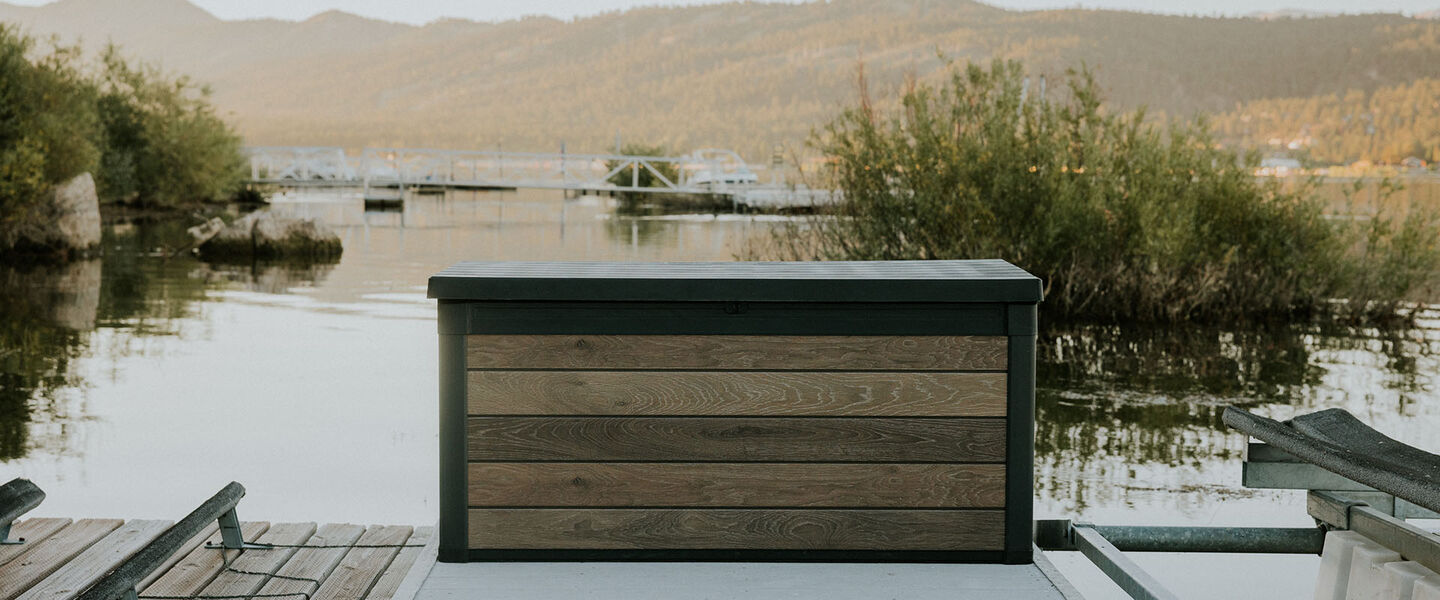

Deck Box Size Guide: What Fits in 30, 50, 70, 150 and 230 Gallon Deck Boxes
TL;DR: A 30 gallon deck box holds a couple of cushions and some small tools. A 50 gallon box fits pool noodles, hoses and a decent stack of cushions. A 70 gallon box handles a full cushion set plus garden tools, or it works as a deck planter box. A 150 gallon deck box stores patio furniture cushions for a full outdoor set, along with toys and sports gear. A 230 gallon deck box, the biggest deck box most brands make, fits folded patio chairs, umbrellas and a season's worth of gear. Pick your size based on what you're storing, not just how much deck space you have.
You know that feeling when you walk onto your deck and it looks more like a garage sale than a place to relax?
Cushions piled in the corner, a hose coiled up by the door, kids' pool toys everywhere. It happens fast. One minute your patio is tidy, and the next it's covered in stuff that has nowhere else to go.
A deck box fixes that, but only if you pick the right size. Too small and you're still stuffing things wherever they'll fit. Too big and you've got a giant plastic box taking up space you don't need to give up. This guide breaks down what actually fits in each size, so you can pick one that matches your space and what you're storing.
What Are Deck Boxes, Exactly?
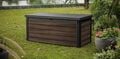
A deck box is basically a weather-resistant storage container built for the outdoors. What sets Keter’s apart is that they are made from durable resinthat won't crack, fade or warp the way wood or metal can. You put it on your deck, patio, balcony or by the pool, and it holds everything from cushions to garden tools to pool gear.
The better resin models are built to keep rain out and protect what's inside from moisture, which matters if you're storing fabric cushions or anything that can mildew. Keter's deck boxes use weather-resistant resin with tight-fitting lids, so your stuff stays dry no matter what the sky is doing. They also have places (lock not included) for a lock as well as built-in ventilation.


How Big of a Deck Box Do You Need?
This is the real question, and the honest answer is: it depends on what you're trying to store. A single-person balcony has very different needs than a backyard with a full patio set, a pool and two kids who leave bikes everywhere.
Here's a simple way to think about it. Count what you actually need to store, then match it to a size below. Don't guess based on your deck's square footage. Storage needs and deck size aren't always related. A small deck with a big family can need more storage than a huge deck used by one person.
30 Gallon Deck Box: Small Space, Small Stuff
A 30 gallon box, like the best selling Signature 30 Gallon Deck Box, is your entry point. It's a good fit for:
- A couple of seat cushions
- Small hand tools like trowels and pruning shears
- Pool noodles or a few small toys
- Gardening gloves, a small hose nozzle, and odds and ends
This size works well on apartment balconies or small patios where floor space is tight. It won't hold much, but it clears the clutter that tends to pile up in a small space. If you're mostly storing a handful of small items and want something out of the way, this is enough.
50 Gallon Deck Box: The Everyday Workhorse
50 gallon deck boxes, like the Signature 50 Gallon Deck Box, is where things start to get useful for most households. This size typically holds:
- Cushions for four to six patio chairs
- A garden hose, coiled up
- Pool noodles, floats and smaller pool toys
- A small set of garden tools
If you searched for a 150 gallon deck box, but aren't sure you need one that big, a 50 gallon box might actually cover it, especially for a smaller patio setup. It's one of the most common sizes people land on because it hits a sweet spot between capacity and footprint.

70 Gallon Deck Box: More Room, More Uses
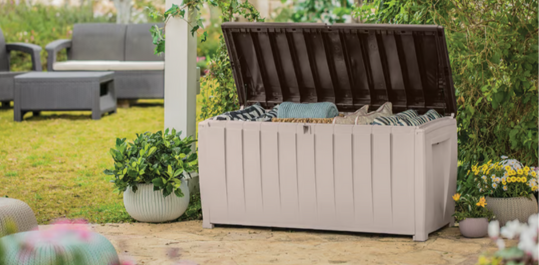
Once you hit 70 gallon deck box, you've got real capacity. Keter carries a 71 gallon deck box called the Atlas 71 Gallon Deck Box that’s worth checking out. This size handles:
- A full set of cushions for a small patio set
- Garden tools, a small hose and gloves
- Kids' outdoor toys and sports gear
- Pool supplies for a small above-ground pool
This is also a popular size for a deck planter box setup, where the box doubles as a planter on top or gets used as a base for container gardening nearby. If you're browsing outdoor storage ideas and want something that handles more than the basics without becoming a huge fixture on your deck, 70 gallons is a solid middle ground.
150 Gallon Deck Box: Built for a Full Patio Set
A 150 gallon deck box is where you start storing for a full outdoor living space, not just a few extras. Expect to fit:
- Cushions for a full patio set, including a loveseat or sectional pieces
- Umbrellas (smaller ones, folded down)
- Pool toys, floats and noodles for the whole family
- Yard games like cornhole bags or a badminton set
- Garden tools and hoses
Families with kids tend to land on this size because it holds enough gear that nothing gets left out to fade in the sun or get soaked in the rain.
230 Gallon Deck Box: The Biggest Deck Box for Serious Storage
If you're looking at an extra large deck box, 230 gallons is likely the biggest deck box you'll find from most brands, and it's built for people with a lot to store. This size can hold:
- Cushions for a full outdoor sectional or dining set
- A folded patio umbrella
- Folding chairs
- Pool equipment, a pool cover or a full set of floats
- Winter gear like small snow shovels, once the patio furniture goes away for the season
This is the box for a busy household, a big deck or anyone who wants one storage spot for everything instead of juggling multiple bins.
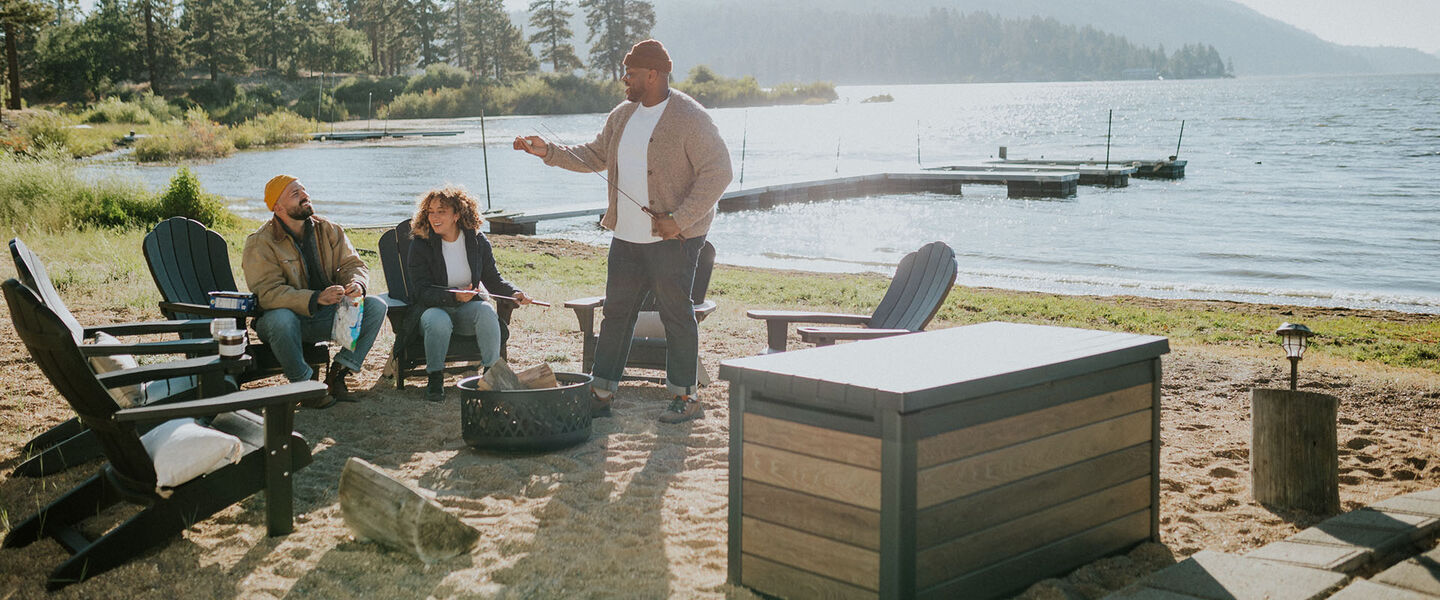

How to Organize Your Deck With the Right Storage
Once you've picked a size, the next step is figuring out how to organize your deck so things stay easy to find. A few tips that make a real difference:
- Group by use. Keep cushions together, tools together and pool gear together. If everything's tossed in loose, you'll be digging through the whole box every time you need one item.
- Use the lid space. Most deck boxes double as extra seating or a side table when closed. That's a good way to organize a patio without adding more furniture to a space that's already tight.
- Store what you use less often at the bottom. Off-season items, like winter covers, belong at the bottom. Things you grab daily, like cushions, should sit near the top.
- Don't overpack. A box that's stuffed to the lid gets harder to use, and hinges and lids under constant strain wear out faster. Leave a bit of breathing room.
Good deck storage isn't about cramming in as much as possible. It's about knowing where things are so your outdoor space stays a place you actually want to hang out in, instead of a spot you avoid because of the mess.
Picking the Right Size for You
If you're still not sure, start with what you own right now. Lay it out, or at least picture it, and match it against the lists above. Most people are better off sizing up slightly rather than down. You'll grow into the extra space faster than you'd think, especially once you start using your deck more now that it's not covered in clutter.
Whatever size you land on, a good deck box turns a chaotic patio into a functional one, and that makes it a lot easier to actually enjoy the space you've got.
FAQs
Deck Boxes
What size deck box do I need?
How do I choose the right deck box size?
What can you store in a deck box?
What do people use deck boxes for?
What to put in a small storage box?



We build in a sustainable manner.
We use innovative technologies and sustainable materials to build planet-friendly products that last a lifetime.