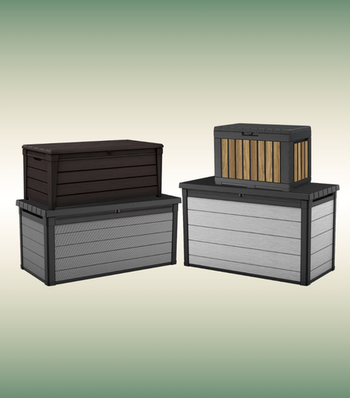
Resin vs. Wood vs. Vinyl vs. Metal Sheds: Which Material Reigns Supreme for Your Backyard?
Thinking about adding a shed to your backyard? You’re not alone. Extra storage makes life easier, especially when lawn equipment, bikes, snow shovels and seasonal décor start taking over the garage.
Once you start researching, though, the big question shows up fast: what’s the best shed material?
In Canada, you’ll typically be comparing four options: resin (plastic), wood, vinyl and metal. Each one has strengths. Each one has trade-offs. And if you’re weighing things like resin vs. metal sheds, or trying to decide the best material for a garden shed, the details matter more than you might think.
Let’s break it down clearly so you can choose with confidence.
Resin (Plastic) Sheds: Low-Maintenance and Durable
What Are Resin Sheds?
Resin sheds are built from durable, weather-resistant plastic materials designed to handle everything from heavy snow to humid summers. Many homeowners comparing metal vs. resin shed options are surprised at how strong modern resin construction really is.
Unlike traditional materials, resin won’t rot like wood or rust like steel. That’s a big deal in Canada, where we deal with moisture, freeze-thaw cycles and serious winter weather.
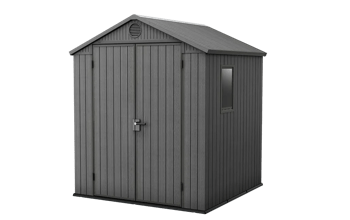
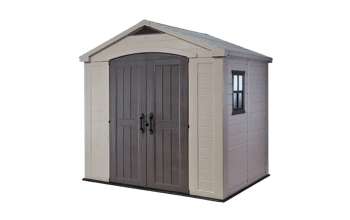
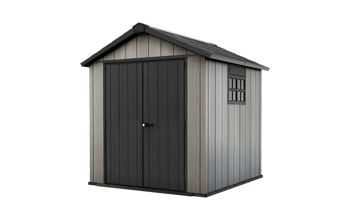
Keter resin sheds are made from recyclable materials and are engineered to be long-lasting while still being easy to assemble. Most models come in shed kits that require only basic tools.
If you’re wondering about resin vs. wood shed durability, resin often comes out ahead simply because it doesn’t require ongoing sealing, staining or pest control.
Pros of Resin Sheds
- Very low maintenance
- Won’t rot, rust or peel
- Resistant to moisture and insects
- Easy to assemble
- Weather-resistant in snow, rain and sun
- Available in wood-look finishes
- Typically sold as convenient shed kits
Cons of Resin Sheds
- Limited painting or heavy customization
- Lower wall load-bearing capacity than framed wood
- UV fading possible in lower-quality models
High-quality resin sheds include UV protection to prevent fading. And like most sheds in Canada, they should be installed on a proper base for stability.
In a resin vs. metal sheds comparison, resin is usually easier to maintain and won’t corrode in wet climates. When comparing resin shed vs. wood shed, resin requires far less upkeep over time.
Who Should Buy a Resin Shed?
Resin sheds are ideal for:
- Busy homeowners: If you want to assemble it once and not think about it again, resin is hard to beat.
- Families with lots of gear: Bikes, snow blowers, patio furniture and gardening tools fit easily in common sizes like 11x7 or 7.5x15.
- Homeowners in harsh climates: Resin performs well in snow, rain and humidity. It’s a strong option if you’re debating the best material for outdoor shed use in Canadian weather.
- Budget-conscious buyers: Resin usually costs more than entry-level metal but less than high-quality wood or vinyl, while offering longer lifespan with less maintenance.
Vinyl Sheds (A Type of Resin): UV-Resistant and Long-Lasting
What Are Vinyl Sheds?
Vinyl is a resin-based plastic material known for its UV resistance. When people compare vinyl vs. resin shed options, they’re technically comparing two similar materials with slightly different construction and price points.
Vinyl sheds resist moisture, pests and sun exposure very well, which makes them suitable for snowy winters and bright summer sun.
Pros of Vinyl Sheds
- Strong UV resistance
- Weather-resistant
- More Pest-resistant
Cons of Vinyl Sheds
- Limited customization
- More basic appearance
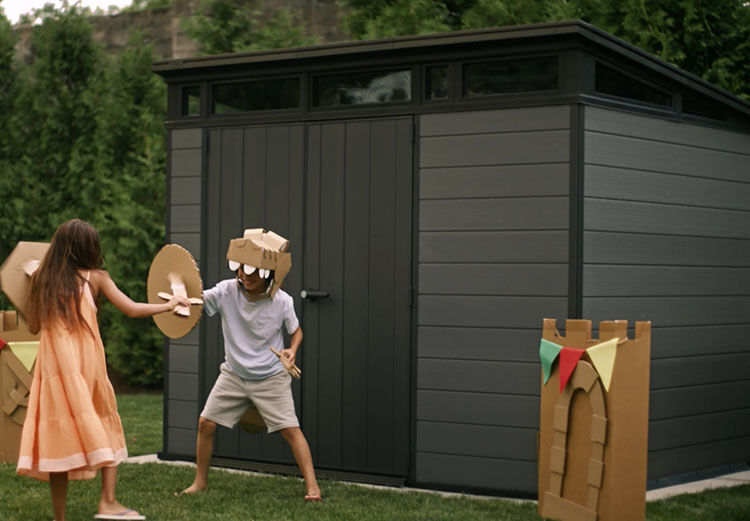

When comparing resin vs. vinyl shed, resin typically offers more style flexibility and lower pricing, while vinyl leans slightly more utilitarian.
Who Should Buy a Vinyl Shed?
Vinyl sheds work well for:
- Long-term homeowners: If you’re settling in for the long haul and want something durable that won’t need much attention, vinyl can be a steady, low-fuss option.
- Homes with strong sun exposure: Vinyl holds up well under direct sunlight, which makes it a solid pick in areas with long, bright summers.
- Buyers comfortable with a higher upfront cost: Vinyl tends to cost more than resin, but it’s built to last. If budget isn’t your main concern, it can be a “buy it once” solution.
They can be a good choice, but for many homeowners researching best shed material, resin often provides similar durability at a better overall value.
Wooden Sheds: Customizable and Classic
What Are Wooden Sheds?
Wood sheds are the traditional option. Built from lumber such as cedar or treated pine, they offer a warm, classic appearance that many homeowners love.
In any resin storage shed vs. wood debate, wood’s biggest advantage is customization. You can paint, stain, wire for electricity, add shelving and modify the structure more easily than other materials.
But maintenance is part of the deal.
Pros of Wooden Sheds
- Highly customizable
- Attractive, traditional look
- Blends with homes seamlessly
Cons of Wooden Sheds
- Requires staining or painting
- Vulnerable to rot and insects
- Ongoing maintenance costs
In a wood shed vs. resin shed comparison, wood wins for flexibility, but resin wins for simplicity and long-term durability. If you’re choosing between a resin vs. wood shed, the decision usually comes down to maintenance tolerance.
Who Should Buy a Wooden Shed?
Wood is best for:
- DIY enthusiasts: If you enjoy building, modifying or upgrading your own space, wood gives you the freedom to add shelves, lofts, windows or even electrical wiring.
- Homeowners wanting workshop space: Wood sheds are easier to insulate and customize, which makes them a solid choice if you’re turning your shed into a hobby space or small workshop.
- Buyers who enjoy customizing and maintaining structures: If staining, painting and keeping up with maintenance doesn’t scare you, wood gives you full control over the look and layout.
- Properties where matching home design is a priority: Wood can be painted or stained to blend seamlessly with your house, fence or landscaping, which makes it ideal for traditional or high-end properties.
If you’re searching for the best material for garden shed use and love hands-on projects, wood might make sense. Just plan for upkeep.
Metal Sheds: Budget-Friendly and Strong
What Are Metal Sheds?
Metal sheds are typically made from galvanized steel, aluminum or coated steel panels. When comparing galvanized steel vs. resin shed options, strength is often the first thing people consider.
Steel sheds are durable and secure, but moisture is their biggest enemy.
Pros of Metal Sheds
- Lower upfront cost
- Strong and secure
- Long lifespan in dry climates
Cons of Metal Sheds
- Can rust in humid or coastal areas
- Poor temperature regulation
- Harder to modify
- Can dent
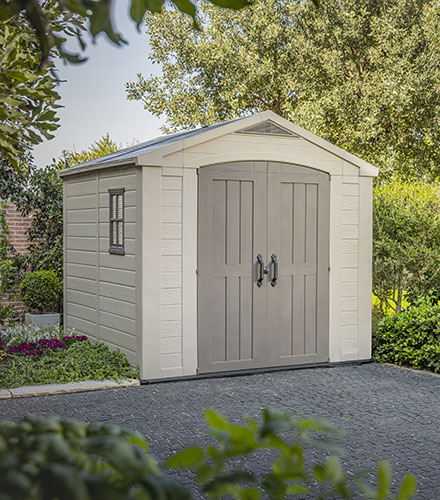

In a metal shed vs. resin comparison, metal may be cheaper initially, but resin usually requires far less maintenance over time.
Who Should Buy a Metal Shed?
Metal sheds are a good fit for:
- Tight budgets: If you need extra storage without spending a lot upfront, metal sheds are usually the most affordable way to add space.
- Dry climates: Metal performs best in areas with low humidity, where rust is less of a concern and the structure can last for years with minimal upkeep.
- Buyers focused on security: Steel panels feel sturdy and secure, making metal sheds a strong option for storing tools, equipment or higher-value items.
- Utility-only storage needs: If you’re not worried about customization or design and simply want a functional place to store equipment, a metal shed gets the job done.
- Homeowners who don’t mind some maintenance: Metal sheds require rust prevention and occasional repainting, especially in areas with moisture. If you’re comfortable handling periodic upkeep to keep it in good shape, metal can still be a practical choice.
If you’re researching resin vs. metal sheds, consider your climate first. In many parts of Canada, moisture and snow make resin the more reliable long-term choice.
Metal / Steel vs. Wood vs. Resin / Plastic Sheds
Now that we’ve covered each material individually, let’s compare them head-to-head. If you’re still trying to figure out the best shed material for your yard, breaking it down this way makes the decision a lot clearer.
Metal / Steel vs. Wood Sheds – Which Is Better?
When looking at metal vs. wood sheds, longevity is often the first thing people consider. Steel sheds, in particular, are built to resist fire, insects and rot. With proper care, a metal shed can last 20 years or more.
Wood sheds, however, offer a more traditional look and solid structural strength. The trade-off is maintenance. Wood needs to be sealed, painted or stained regularly to prevent moisture damage and insect issues. In most climates, a well-maintained wood shed can last around 10 to 15 years, but that lifespan depends heavily on upkeep and weather conditions.
If you want lower maintenance, metal has the edge. If you value customization and appearance, wood may be worth the extra effort.
Metal / Steel vs. Resin / Plastic Sheds – Which Is Better?
Comparing metal vs. resin sheds is really a maintenance conversation. Both materials are designed for durability, but they age differently.
Resin sheds won’t rust, peel or decay. They handle moisture extremely well and typically last 15 to 20 years or longer with very little upkeep. There’s no repainting or rust treatment required.
Metal sheds, while strong, are more vulnerable to corrosion over time, especially in humid or coastal environments. Protective coatings help, but maintenance is still part of ownership.
If you’re choosing between galvanized steel vs. resin shed options and want the lowest long-term effort, resin usually comes out ahead.
Wood vs. Resin / Plastic Sheds – Which Is Better?
The resin vs. wood shed debate usually comes down to maintenance versus customization.
Wood delivers that classic backyard look and gives you the freedom to modify the structure however you like. But it needs consistent care to prevent rot, mould and insect damage. Even with regular maintenance, most wood sheds last about 10 to 15 years.
Resin sheds, on the other hand, are built for simplicity. They resist weather, moisture and pests without requiring sealing or repainting. In most cases, a resin shed can last 15 to 20 years with minimal attention.
If you want something you can customize heavily, wood makes sense. If you prefer a durable, low-maintenance solution, resin is usually the better long-term choice.


Shed Materials: Side-by-Side Overview
If you like seeing everything laid out clearly, this breakdown makes it easier to compare your options. Whether you’re deciding on the best shed material or just trying to understand what sheds are typically made from, here’s how the main materials compare at a glance.
Maintenance
- Resin (Plastic): Very low maintenance; occasional cleaning is typically all that’s needed
- Vinyl: Low maintenance; resistant to moisture and pests
- Wood: High maintenance; requires regular painting, staining or sealing
- Metal: Moderate maintenance; may require rust treatment and touch-up paint over time
If low effort is your priority, resin usually ranks at the top.
Climate Suitability
- Resin (Plastic): Performs well in most Canadian climates; resists moisture, UV exposure and insects
- Vinyl: Strong UV resistance; handles both snow and sun effectively
- Wood: Suitable when properly maintained; can be vulnerable in damp or rainy regions
- Metal: Best suited for dry environments; may corrode in humid or coastal areas
Your local weather plays a big role in determining the best material for an outdoor shed.
Customization
- Resin (Plastic): Limited ability to paint or heavily modify
- Vinyl: Minimal customization; typically sold in fixed designs
- Wood: Highly customizable; can be painted, wired, trimmed or modified internally
- Metal: Limited flexibility; structural changes can be difficult
If personalization is important, wood offers the most freedom.
Ease of Assembly
- Resin (Plastic): Very straightforward; lightweight panels and kit systems simplify setup
- Vinyl: Moderate; sturdier panels may require extra help
- Wood: More labour-intensive; heavier materials and construction involved
- Metal: Moderate difficulty; panels can be heavier and alignment may require patience
For homeowners looking for the simplest installation process, resin tends to be the easiest to manage.
Shed Materials and Canadian Climate
Climate really does make a difference when you’re choosing the best shed material. What works perfectly in one province might struggle in another. Between wet springs, snowy winters and humid summers, Canadian weather can be tough on outdoor structures. Thinking about your local conditions upfront will save you a lot of maintenance later.
Humid or Rainy Regions
In areas with frequent rain or high humidity, moisture resistance is key. Resin performs extremely well because it won’t absorb water, rot or develop mould. Metal sheds can work, but they need proper coatings and occasional rust prevention to stay in good shape. Wood sheds are the most vulnerable in damp conditions and require consistent sealing and upkeep to prevent warping or decay.
Coastal Areas
If you live near the coast, salt air becomes a factor. Salt can accelerate corrosion on steel, which makes metal sheds more high-maintenance over time. Resin holds up much better in salty environments since it won’t corrode like metal. Wood can also be used, but it will need regular treatment to prevent moisture and salt damage from shortening its lifespan.
Heavy Snow and Cold
In colder parts of Canada, sheds need to handle snow load and freezing temperatures. Resin sheds are designed to resist cracking and warping during freeze-thaw cycles. Wood sheds can handle snow well if they’re properly built and maintained, but moisture from melting snow can cause issues if the structure isn’t sealed. Metal sheds are strong, but they can become extremely cold in winter and may develop condensation inside, which can affect stored items.
If you’re trying to choose the best material for outdoor shed use in Canada, weather resistance should be one of your top priorities. The right material will not only last longer but also require far less work year after year.
Shed Sizing
Once you’ve chosen your shed material, the next big decision is size. You can always go small (like a 6x3 shed) if you have minimal storage needs all the way up to extra large sheds (like our 10x11.5 or 7.5x15) if you have bigger items to store. Picking the right footprint is crucial, though, since you don’t want to end up reorganizing a year later because you underestimated your storage needs.
We get it, estimating shed size can feel tricky. To make it easier, here’s a look at some of the most popular shed dimensions and what they typically hold:
- 6x3 shed: A compact option that works well for smaller yards or narrow side spaces. Great for basic garden tools, watering cans and a few outdoor supplies.
- 7x7 shed: A balanced square layout that fits nicely along a fence line. This size can hold garden tools, storage bins and seasonal items without taking up too much yard space.
- 8x8 shed: One of the most versatile shed sizes. It offers enough room for lawn equipment, bikes and shelving while still fitting comfortably in many backyards.
- 11x7 shed: One of the most popular shed sizes. This layout provides extra wall space for organizing tools, bikes and outdoor gear while still maintaining a manageable footprint.
When choosing, think about material first and size second. Most shed materials come in a range of sizes, so it’s usually possible to find your ideal combination.
So, What’s the Best Shed Material?
The right choice depends on what you value most:
- Want low maintenance? Resin.
- Want full customization? Wood.
- Need the lowest upfront cost? Metal.
But for many homeowners comparing resin vs. metal sheds, resin vs. wood sheds or even galvanized steel vs. resin sheds, resin consistently offers the most balanced combination of durability, appearance and low upkeep.
Where to Buy Your Shed
When shopping, you may come across options at retailers like The Home Depot, Lowe's, Costco, Canadian Tire or Amazon.
However, purchasing directly from Keter Canada gives you access to the latest models, colours and exclusive designs.
If you’re looking for durability, a wood-look finish without the maintenance, and a shed that can handle Canadian weather year after year, a Keter resin shed is built to do exactly that.
For most backyards, resin offers the best mix of strength, style and simplicity.
Ready to find the perfect resin shed for your backyard? Browse Keter’s wide selection of resin sheds in popular sizes and styles today and get organized with a durable, low-maintenance solution built to last.




Frequently Asked Questions
Resin vs. Wood vs. Vinyl vs. Metal Sheds
Which shed material lasts the longest?
What's the difference between resin and vinyl sheds?
Is it better to get a metal or plastic shed?
What is cheaper: a wood or a metal shed?
What is the longest-lasting outdoor shed?


We build in a sustainable manner.
We use innovative technologies and sustainable materials to build planet-friendly products that last a lifetime.